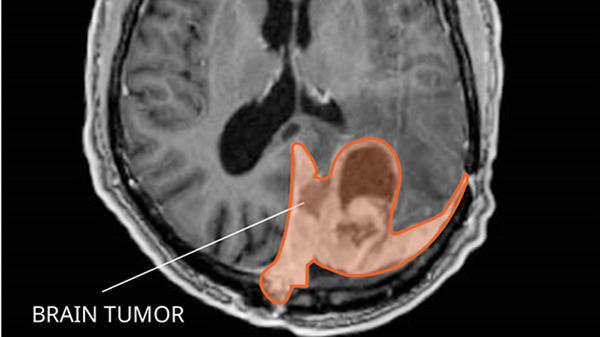
Treatment Option Overview
There are different types of treatment for children with brain and spinal cord tumors.
Different types of treatment are available for children with brain and spinal cord tumors. Some treatments are standard (the currently used treatment), and some are being tested in clinical trials. A treatment clinical trial is a research study meant to help improve current treatments or obtain information on new treatments for patients with cancer. When clinical trials show that a new treatment is better than the standard treatment, the new treatment may become the standard treatment.
Because cancer in children is rare, taking part in a clinical trial should be considered. Clinical trials are taking place in many parts of the country. Some clinical trials are open only to patients who have not started treatment.
Children with brain or spinal cord tumors should have their treatment planned by a team of health care providers who are experts in treating childhood brain and spinal cord tumors.
Treatment will be overseen by a pediatric oncologist, a doctor who specializes in treating children with cancer. The pediatric oncologist works with other health care providers who are experts in treating children with brain tumors and who specialize in certain areas of medicine. These may include the following specialists:
- Neurosurgeon.
- Neurologist.
- Neuro-oncologist.
- Neuropathologist.
- Neuroradiologist.
- Radiation oncologist.
- Endocrinologist.
- Psychologist.
- Ophthalmologist.
- Rehabilitation specialist.
- Social worker.
- Nurse specialist.
Childhood brain and spinal cord tumors may cause symptoms that begin before diagnosis and continue for months or years.
Childhood brain and spinal cord tumors may cause symptoms that continue for months or years. Symptoms caused by the tumor may begin before diagnosis. Symptoms caused by treatment may begin during or right after treatment.
Some cancer treatments cause side effects months or years after treatment has ended.
These are called late effects. Late effects of cancer treatment may include the following:
- Physical problems.
- Changes in mood, feelings, thinking, learning, or memory.
- Second cancers (new types of cancer).
Some late effects may be treated or controlled. It is important to talk with your child's doctors about the effects cancer treatment can have on your child. (See the PDQ summary on Late Effects of Treatment for Childhood Cancer 1 for more information).
Three types of standard treatment are used:
Surgery may be used to diagnose and treat childhood brain and spinal cord tumors. See the General Information 2 section of this summary.
Radiation therapy is a cancer treatment that uses high-energy x-rays or other types of radiation to kill cancer cells or keep them from growing. There are two types of radiation therapy. External radiation therapy uses a machine outside the body to send radiation toward the cancer. Internal radiation therapy uses a radioactive substance sealed in needles, seeds, wires, or catheters that are placed directly into or near the cancer. The way the radiation therapy is given depends on the type and stage of the cancer being treated.
Chemotherapy is a cancer treatment that uses drugs to stop the growth of cancer cells, either by killing the cells or by stopping them from dividing. When chemotherapy is taken by mouth or injected into a vein or muscle, the drugs enter the bloodstream and can reach cancer cells throughout the body (systemic chemotherapy). When chemotherapy is placed directly in the cerebrospinal fluid, an organ, or a body cavity such as the abdomen, the drugs mainly affect cancer cells in those areas (regional chemotherapy). The way the chemotherapy is given depends on the type and stage of the cancer being treated.
Anticancer drugs given by mouth or vein to treat brain and spinal cord tumors cannot cross the blood-brain barrier and enter the fluid that surrounds the brain and spinal cord. Instead, an anticancer drug is injected into the fluid-filled space to kill cancer cells there. This is called intrathecal chemotherapy.
New types of treatment are being tested in clinical trials.
This summary section describes treatments that are being studied in clinical trials. It may not mention every new treatment being studied. Information about clinical trials is available from the NCI Web site 3.
High-dose chemotherapy with stem cell transplant
High-dose chemotherapy with stem cell transplant is a way of giving high doses of chemotherapy and replacing blood -forming cells destroyed by the cancer treatment. Stem cells (immature blood cells) are removed from the blood or bone marrow of the patient or a donor and are frozen and stored. After the chemotherapy is completed, the stored stem cells are thawed and given back to the patient through an infusion. These reinfused stem cells grow into (and restore) the body’s blood cells.
Patients may want to think about taking part in a clinical trial.
For some patients, taking part in a clinical trial may be the best treatment choice. Clinical trials are part of the cancer research process. Clinical trials are done to find out if new cancer treatments are safe and effective or better than the standard treatment.
Many of today's standard treatments for cancer are based on earlier clinical trials. Patients who take part in a clinical trial may receive the standard treatment or be among the first to receive a new treatment.
Patients who take part in clinical trials also help improve the way cancer will be treated in the future. Even when clinical trials do not lead to effective new treatments, they often answer important questions and help move research forward.
Patients can enter clinical trials before, during, or after starting their cancer treatment.
Some clinical trials only include patients who have not yet received treatment. Other trials test treatments for patients whose cancer has not gotten better. There are also clinical trials that test new ways to stop cancer from recurring (coming back) or reduce the side effects of cancer treatment.
Clinical trials are taking place in many parts of the country. See the Treatment Options section that follows for links to current treatment clinical trials. These have been retrieved from NCI's listing of clinical trials.
Follow-up tests may be needed.
Some of the tests that were done to diagnose the cancer or to find out the stage of the cancer may be repeated. Some tests will be repeated in order to see how well the treatment is working. Decisions about whether to continue, change, or stop treatment may be based on the results of these tests. This is sometimes called re-staging.
Some of the tests will continue to be done from time to time after treatment has ended. The results of these tests can show if your condition has changed or if the cancer has recurred (come back). These tests are sometimes called follow-up tests or check-ups.
Glossary Termsabdomen (AB-doh-men)The area of the body that contains the pancreas, stomach, intestines, liver, gallbladder, and other organs.blood (blud) A tissue with red blood cells, white blood cells, platelets, and other substances suspended in fluid called plasma. Blood takes oxygen and nutrients to the tissues, and carries away wastes.blood-brain barrier (blud-brayn BAYR-ee-er) A network of blood vessels and tissue that is made up of closely spaced cells and helps keep harmful substances from reaching the brain. The blood-brain barrier lets some substances, such as water, oxygen, carbon dioxide, and general anesthetics, pass into the brain. It also keeps out bacteria and other substances, such as many anticancer drugs. Also called BBB.bone marrow (bone MAYR-oh) The soft, sponge-like tissue in the center of most bones. It produces white blood cells, red blood cells, and platelets.brain tumor (brayn TOO-mer) The growth of abnormal cells in the tissues of the brain. Brain tumors can be benign (not cancer) or malignant (cancer).cancer (KAN-ser) A term for diseases in which abnormal cells divide without control and can invade nearby tissues. Cancer cells can also spread to other parts of the body through the blood and lymph systems. There are several main types of cancer. Carcinoma is a cancer that begins in the skin or in tissues that line or cover internal organs. Sarcoma is a cancer that begins in bone, cartilage, fat, muscle, blood vessels, or other connective or supportive tissue. Leukemia is a cancer that starts in blood-forming tissue such as the bone marrow, and causes large numbers of abnormal blood cells to be produced and enter the blood. Lymphoma and multiple myeloma are cancers that begin in the cells of the immune system. Central nervous system cancers are cancers that begin in the tissues of the brain and spinal cord. Also called malignancy.catheter (KA-theh-ter) A flexible tube used to deliver fluids into or withdraw fluids from the body.cavity (KA-vih-tee) A hollow area or hole. It may describe a body cavity (such as the space within the abdomen) or a hole in a tooth caused by decay.cell (sel) The individual unit that makes up the tissues of the body. All living things are made up of one or more cells.central nervous system tumor (SEN-trul NER-vus SIS-tem TOO-mer) A tumor of the central nervous system, including brain stem glioma, craniopharyngioma, medulloblastoma, and meningioma. Also called CNS tumor.cerebrospinal fluid (seh-REE-broh-SPY-nul FLOO-id) The fluid that flows in and around the hollow spaces of the brain and spinal cord, and between two of the meninges (the thin layers of tissue that cover and protect the brain and spinal cord). Cerebrospinal fluid is made by tissue called the choroid plexus in the ventricles (hollow spaces) in the brain. Also called CSF.chemotherapy (KEE-moh-THAYR-uh-pee) Treatment with drugs that kill cancer cells.clinical trial (KLIH-nih-kul TRY-ul) A type of research study that tests how well new medical approaches work in people. These studies test new methods of screening, prevention, diagnosis, or treatment of a disease. Also called clinical study.diagnosis (DY-ug-NOH-sis) The process of identifying a disease, such as cancer, from its signs and symptoms.donor (DOH-ner) In medicine, a person who gives blood, cells, tissue, or an organ for use in another person, such as in a blood transfusion or an organ transplant.dose (dose) The amount of medicine taken, or radiation given, at one time.drug (drug) Any substance, other than food, that is used to prevent, diagnose, treat or relieve symptoms of a disease or abnormal condition. Also refers to a substance that alters mood or body function, or that can be habit-forming or addictive, especially a narcotic.endocrinologist (en-doh-krih-NAH-loh-jist) A doctor who specializes in diagnosing and treating hormone disorders.external radiation therapy (...RAY-dee-AY-shun THAYR-uh-pee) A type of radiation therapy that uses a machine to aim high-energy rays at the cancer from outside of the body. Also called external-beam radiation therapy.fluid (FLOO-id) A substance that flows smoothly and takes the shape of its container. Liquids and gases are fluids.follow-up (FAH-loh-up) Monitoring a person's health over time after treatment. This includes keeping track of the health of people who participate in a clinical study or clinical trial for a period of time, both during the study and after the study ends.healthcare provider (HELTH-kayr proh-VY-der) A licensed person or organization that provides healthcare services.high-dose chemotherapy (hy-dose kee-moh-THAYR-uh-pee) An intensive drug treatment to kill cancer cells, but that also destroys the bone marrow and can cause other severe side effects. High-dose chemotherapy is usually followed by bone marrow or stem cell transplantation to rebuild the bone marrow.infusion (in-FYOO-zhun) A method of putting fluids, including drugs, into the bloodstream. Also called intravenous infusion.injection (in-JEK-shun) Use of a syringe and needle to push fluids or drugs into the body; often called a "shot."internal radiation therapy (in-TER-nul RAY-dee-AY-shun THAYR-uh-pee) A type of radiation therapy in which radioactive material sealed in needles, seeds, wires, or catheters is placed directly into or near a tumor. Also called brachytherapy, implant radiation therapy, and radiation brachytherapy.intrathecal chemotherapy (IN-truh-THEE-kul KEE-moh-THAYR-uh-pee) Treatment in which anticancer drugs are injected into the fluid-filled space between the thin layers of tissue that cover the brain and spinal cord.late effects (layt eh-FEKTS) Side effects of cancer treatment that appear months or years after treatment has ended. Late effects include physical and mental problems and second cancers.medicine (MEH-dih-sin) Refers to the practices and procedures used for the prevention, treatment, or relief of symptoms of a diseases or abnormal conditions. This term may also refer to a legal drug used for the same purpose.NCI NCI, part of the National Institutes of Health of the United States Department of Health and Human Services, is the Federal Government's principal agency for cancer research. It conducts, coordinates, and funds cancer research, training, health information dissemination, and other programs with respect to the cause, diagnosis, prevention, and treatment of cancer. Access the NCI Web site at http://www.cancer.gov. Also called National Cancer Institute.neuro-oncologist (NOOR-oh-on-KAH-loh-jist) A doctor who specializes in diagnosing and treating brain tumors and other tumors of the nervous system.neurologist (noor-AH-loh-jist) A doctor who specializes in the diagnosis and treatment of disorders of the nervous system.neuropathologist (NOOR-oh-puh-THAH-loh-jist) A pathologist who specializes in diseases of the nervous system. A pathologist identifies disease by studying cells and tissues under a microscope.neuroradiologist (NOOR-oh-RAY-dee-AH-loh-jist) A doctor trained in radiology who specializes in creating and interpreting pictures of the nervous system. The pictures are produced using forms of radiation, such as x-rays, sound waves, or other types of energy.neurosurgeon (NOOR-oh-SER-jun) A doctor who specializes in surgery on the brain, spine, and other parts of the nervous system.nurse (nurs) A health professional trained to care for people who are ill or disabled.ophthalmologist (OF-thul-MAH-loh-jist) A doctor who specializes in diagnosing and treating eye problems, including injury and disease.organ (OR-gun) A part of the body that performs a specific function. For example, the heart is an organ.PDQ PDQ is an online database developed and maintained by the National Cancer Institute. Designed to make the most current, credible, and accurate cancer information available to health professionals and the public, PDQ contains peer-reviewed summaries on cancer treatment, screening, prevention, genetics, complementary and alternative medicine, and supportive care; a registry of cancer clinical trials from around the world; and directories of physicians, professionals who provide genetics services, and organizations that provide cancer care. Most of this information, and more specific information about PDQ, can be found on the NCI's Web site at http://www.cancer.gov/cancertopics/pdq. Also called Physician Data Query.pediatric oncologist (pee-dee-A-trik on-KAH-loh-jist) A doctor who specializes in treating children with cancer.psychologist (sy-KAH-loh-jist) A specialist who can talk with patients and their families about emotional and personal matters, and can help them make decisions.radiation (RAY-dee-AY-shun) Energy released in the form of particle or electromagnetic waves. Common sources of radiation include radon gas, cosmic rays from outer space, medical x-rays, and energy given off by a radioisotope (unstable form of a chemical element that releases radiation as it breaks down and becomes more stable).radiation oncologist (RAY-dee-AY-shun on-KAH-loh-jist) A doctor who specializes in using radiation to treat cancer.radiation therapy (RAY-dee-AY-shun THAYR-uh-pee) The use of high-energy radiation from x-rays, gamma rays, neutrons, protons, and other sources to kill cancer cells and shrink tumors. Radiation may come from a machine outside the body (external-beam radiation therapy), or it may come from radioactive material placed in the body near cancer cells (internal radiation therapy). Systemic radiation therapy uses a radioactive substance, such as a radiolabeled monoclonal antibody, that travels in the blood to tissues throughout the body. Also called irradiation and radiotherapy.radioactive (RAY-dee-oh-AK-tiv) Giving off radiation.recur (ree-KER) To come back or to return.regional chemotherapy (REE-juh-nul KEE-moh-THAYR-uh-pee) Treatment with anticancer drugs directed to a specific area of the body.rehabilitation specialist (REE-huh-BIH-lih-TAY-shun SPEH-shuh-list) A healthcare professional who helps people recover from an illness or injury and return to daily life. Examples of rehabilitation specialists are physical therapists and occupational therapists.research study (reh-SERCH STUH-dee) A scientific study of nature that sometimes includes processes involved in health and disease. For example, clinical trials are research studies that involve people. These studies may be related to new ways to screen, prevent, diagnose, and treat disease. They may also study certain outcomes and certain groups of people by looking at data collected in the past or future.second primary cancer (SEH-kund PRY-mayr-ee KAN-ser) Refers to a new primary cancer in a person with a history of cancer.side effect (side eh-FEKT) A problem that occurs when treatment affects healthy tissues or organs. Some common side effects of cancer treatment are fatigue, pain, nausea, vomiting, decreased blood cell counts, hair loss, and mouth sores.social worker (SOH-shul WUR-ker) A professional trained to talk with people and their families about emotional or physical needs, and to find them support services.specialist (SPEH-shuh-list) In medicine, a doctor or other health care professional who is trained and licensed in a special area of practice. Examples of medical specialists include oncologists (cancer specialists) and hematologists (blood specialists).spinal cord (SPY-nul kord) A column of nerve tissue that runs from the base of the skull down the back. It is surrounded by three protective membranes, and is enclosed within the vertebrae (back bones). The spinal cord and the brain make up the central nervous system, and spinal cord nerves carry most messages between the brain and the rest of the body.stage (stayj) The extent of a cancer in the body. Staging is usually based on the size of the tumor, whether lymph nodes contain cancer, and whether the cancer has spread from the original site to other parts of the body.standard therapy (... THAYR-uh-pee) Treatment that experts agree is appropriate, accepted, and widely used. Also called best practice, standard medical care, and standard of care.stem cell (stem sel) A cell from which other types of cells develop. For example, blood cells develop from blood-forming stem cells.stem cell transplant (stem sel tranz-plant) A method of replacing immature blood-forming cells in the bone marrow that have been destroyed by drugs, radiation, or disease. Stem cells are injected into the patient and make healthy blood cells. A stem cell transplant may be autologous (using a patient’s own stem cells that were saved before treatment), allogeneic (using stem cells donated by someone who is not an identical twin), or syngeneic (using stem cells donated by an identical twin).surgery (SER-juh-ree) A procedure to remove or repair a part of the body or to find out whether disease is present. An operation.symptom (SIMP-tum) An indication that a person has a condition or disease. Some examples of symptoms are headache, fever, fatigue, nausea, vomiting, and pain.systemic chemotherapy (sis-TEH-mik KEE-moh-THAYR-uh-pee) Treatment with anticancer drugs that travel through the blood to cells all over the body.vein (vayn) A blood vessel that carries blood to the heart from tissues and organs in the body.x-ray (EX-ray) A type of radiation used in the diagnosis and treatment of cancer and other diseases. In low doses, x-rays are used to diagnose diseases by making pictures of the inside of the body. In high doses, x-rays are used to treat cancer. |
Table of Links | |
| 1 | http://www.cancer.gov/cancertopics/pdq/treatment/lateeffects/Patient |
| 2 | http://www.cancer.gov/cancertopics/pdq/treatment/childbrain/Patient/#Section_148 |
| 3 | http://cancer.gov/clinicaltrials |