Questions About Cancer? 1-800-4-CANCER

Childhood Brain and Spinal Cord Tumors Treatment Overview (PDQ®)

Patient Version
Last Modified: 02/03/2012

Treatment of Newly Diagnosed and Recurrent Childhood Brain Tumors

The brain is made of different kinds of cells. Childhood brain tumors are grouped and treated based on the type of cell the cancer formed in and where the tumor began growing in the CNS. Some types of tumors are divided into subtypes based on how the tumor looks under a microscope. See Table 1 for a list of tumor types and staging and treatment information for newly diagnosed and recurrent childhood brain tumors.

Table 1. The Staging and Treatment of Newly Diagnosed or Recurrent Tumors According to Tumor Type or Subtype
Tumor Type Tumor Subtype Staging and Treatment of Newly Diagnosed and Recurrent Childhood Brain Tumors 
Astrocytomas and Other Tumors of Glial Origin
Low-Grade AstrocytomasDiffuse fibrillary astrocytomaSee Childhood Astrocytomas Treatment 2 for information on low-grade astrocytomas.
Gemistocytic astrocytoma
Oligoastrocytoma
Oligodendroglioma
Pilocytic astrocytoma
Pilomyxoid astrocytoma
Pleomorphic xanthoastrocytoma
Protoplasmic astrocytoma
Subependymal giant cell astrocytoma
High-Grade AstrocytomasAnaplastic astrocytomaSee Childhood Astrocytomas Treatment 2 for information on high-grade astrocytomas.
Anaplastic oligoastrocytoma
Anaplastic oligodendroglioma
Giant cell glioblastoma
Glioblastoma
Gliomatosis cerebri
Gliosarcoma
Brain Stem Glioma
Diffuse intrinsic pontine gliomasSee Childhood Brain Stem Glioma Treatment 3.
Focal or low-grade brain stem gliomas
Central Nervous System Embryonal Tumors
MedulloblastomaAnaplasticSee Childhood Central Nervous System Embryonal Tumors Treatment 4 for information on medulloblastoma, central nervous system primitive neuroectodermal tumors (PNETs), and tumors of the pineal region.
Classic
Desmoplastic/nodular
Large cell
Medulloblastoma with extensive nodularity
Central Nervous System Primitive Neuroectodermal Tumors (PNETs)Central nervous system ganglioneuroblastoma
Central nervous system neuroblastoma
Ependymoblastoma
Medulloepithelioma
Tumors of the Pineal RegionPineal parenchymal tumor of intermediate differentiation
Pineoblastoma
Pineocytoma
Papillary tumor of the pineal region
Central Nervous System Atypical Teratoid/Rhabdoid TumorSee Childhood Central Nervous System Atypical Teratoid/Rhabdoid Tumor Treatment 5.
Central Nervous System Germ Cell Tumors
Germinomas
TeratomasImmature teratomas
Mature teratomas
Teratomas with malignant transformation
Non-Germinomatous Germ Cell TumorsChoriocarcinoma
Embryonal carcinoma
Mixed germ cell tumors
Yolk sac tumor
Craniopharyngioma See Childhood Craniopharyngioma Treatment 6.
Ependymoma See Childhood Ependymoma Treatment 7.
Tumors of the Choroid Plexus


Glossary Terms

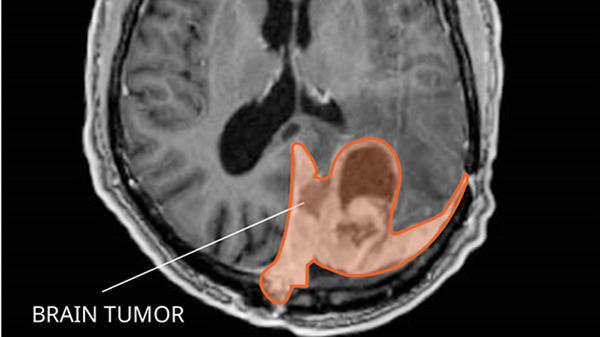
brain tumor (brayn TOO-mer)
The growth of abnormal cells in the tissues of the brain. Brain tumors can be benign (not cancer) or malignant (cancer).
cancer (KAN-ser)
A term for diseases in which abnormal cells divide without control and can invade nearby tissues. Cancer cells can also spread to other parts of the body through the blood and lymph systems. There are several main types of cancer. Carcinoma is a cancer that begins in the skin or in tissues that line or cover internal organs. Sarcoma is a cancer that begins in bone, cartilage, fat, muscle, blood vessels, or other connective or supportive tissue. Leukemia is a cancer that starts in blood-forming tissue such as the bone marrow, and causes large numbers of abnormal blood cells to be produced and enter the blood. Lymphoma and multiple myeloma are cancers that begin in the cells of the immune system. Central nervous system cancers are cancers that begin in the tissues of the brain and spinal cord. Also called malignancy.
cell (sel)
The individual unit that makes up the tissues of the body. All living things are made up of one or more cells.
CNS
The brain and spinal cord. Also called central nervous system.
diagnosis (DY-ug-NOH-sis)
The process of identifying a disease, such as cancer, from its signs and symptoms.
microscope (MY-kroh-SKOPE)
An instrument that is used to look at cells and other small objects that cannot be seen with the eye alone.
recurrent cancer (ree-KER-ent KAN-ser)
Cancer that has recurred (come back), usually after a period of time during which the cancer could not be detected. The cancer may come back to the same place as the original (primary) tumor or to another place in the body. Also called recurrence.
staging (STAY-jing)
Performing exams and tests to learn the extent of the cancer within the body, especially whether the disease has spread from the original site to other parts of the body. It is important to know the stage of the disease in order to plan the best treatment.
tumor (TOO-mer)
An abnormal mass of tissue that results when cells divide more than they should or do not die when they should. Tumors may be benign (not cancer), or malignant (cancer). Also called neoplasm.

Table of Links

1http://www.cancer.gov/cancertopics/pdq/treatment/childbrain/Patient/Table2
2http://www.cancer.gov/cancertopics/pdq/treatment/child-astrocytomas/patient
3http://www.cancer.gov/cancertopics/pdq/treatment/child-brain-stem-glioma/Patient
4http://www.cancer.gov/cancertopics/pdq/treatment/childCNSembryonal/patient
5http://www.cancer.gov/cancertopics/pdq/treatment/child-CNS-ATRT/patient
6http://www.cancer.gov/cancertopics/pdq/treatment/child-cranio/patient
7http://www.cancer.gov/cancertopics/pdq/treatment/childependymoma/Patient