
Engaging Participants in Research: What draws them in? What holds them back?
Certain populations may be more challenging to recruit as part of long-term health research studies. For example, it has historically been more difficult to recruit and retain men in research.1 It is the responsibility of researchers to develop strategies that specifically focus on engaging understudied populations in health research.
Of those invited to join the study so far, about 66% of Connect participants are female, while about 33% are male.
Moving forward, Connect aims to better engage men as well as people from a wider range of communities, backgrounds, and life experiences. When different people take part in research, findings are more likely to reflect the health needs of their communities.
When considering how best to boost research engagement, it’s important to understand what motivates people to take part in research studies, and what might cause hesitation. This allows us to better tailor outreach strategies and improve the participant experience. We can also address concerns directly in recruitment invitations and throughout study participation.
The teams conducting research to understand how to better engage people, and men in particular, in studies like Connect spanned the nation. While they conducted their work with different populations, there were key similarities in their findings. Across the interviews, a few themes stood out: trust, personal connection to cancer, convenience, and clear communication about why participation matters.
These findings are early steps toward improving the Connect participant experience. They will guide future research into motivations for joining and staying in a study, as well as what makes it easier or harder to participate in studies like Connect.
Research from Kaiser Permanente Georgia (KPGA)
Goal: Understand what makes research participation easier or harder for men at KPGA.
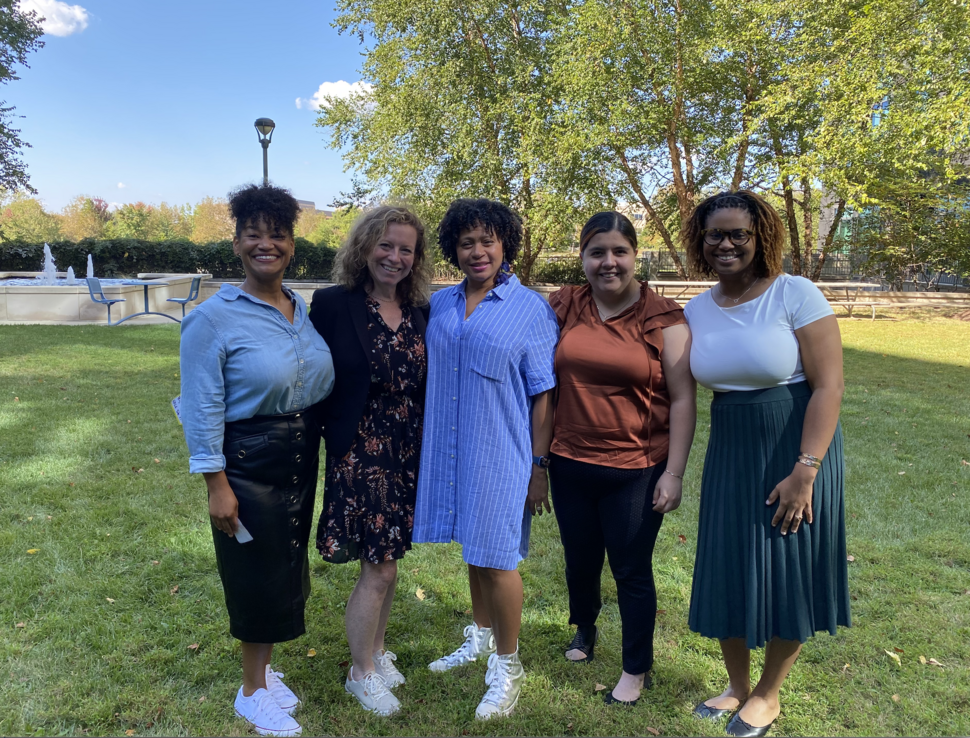
Five members of the KPGA research team, one of the groups conducting qualitative research on participant engagement in studies like Connect.
Approach: The team interviewed 19 men ages 30 to 70 who were KPGA members, including 11 already in Connect and nine who were eligible but were undecided about the study and had not yet joined.
Findings: Men weighed many factors in the process of considering whether to join Connect, including convenience, research ethics, and how biological samples like blood would be used. Many said they were motivated by loved ones affected by cancer and saw their participation as a way to help others in the future.
Key lessons for researchers:
Offer several ways to invite men to join, including in-person events, newsletters, medical appointments, emails, texts, and phone calls
Provide a chance to talk with someone about the study right away, in person or online
Consider how a health care system's name affects trust in the study invitation
Make participation convenient, such as by offering rides for lab visits or simple mail-in kits to collect samples
Clearly explain how participation helps others
Send regular digital reminders to help participants stay involved over time
Share more health resources and other participants' stories in study materials
Next steps: The team is continuing to review the interview data and has already spent many hours reviewing interview transcripts. The team will share the full findings through publications and presentations and will apply learnings to Connect recruitment and engagement activities.
Research from Kaiser Permanente Northwest Center for Health Research (KPNW)
Goal: Learn more about men's participation in research studies like Connect.
Approach: The team interviewed 35 male KPNW members, including both current Connect participants and those undecided about the study who had not yet joined.
Findings: Trust, transparency, and scientific integrity were central to men's decisions about joining. Participants wanted to quickly understand what participation would involve and why they were specifically asked to take part.
Many were motivated by a loved one’s history of cancer and a sense of civic responsibility, and non-White participants in particular noted the value of being represented in research.
Common barriers included men's general tendency to be less engaged in health care, and a reluctance to confront health concerns that participation might surface. Growing uncertainty about data privacy and misinformation has also made trust harder to earn.
Next steps: The team is incorporating these findings into Connect’s recruitment strategies and publishing the results so other researchers can benefit from their findings. The article outlining these findings will be available for free in an upcoming edition of The Permanente Journal.
Research from Baylor Scott & White Health (BSWH)
Goal: Understand what makes participation easier or harder for various populations, including Spanish-speaking communities, and explore preferences around joining studies like Connect.
Approach: The team interviewed 15 BSWH patients (including 14 current Connect participants, of which four were men) about how they learn about research, what makes participation harder, how researchers should communicate, and what role incentives play in encouraging someone to join and stay involved in a study.
Findings: Most participants were drawn to research through a personal or family connection to cancer and other chronic diseases, with the hope of helping future generations. Warm, personal engagement with research staff was an important factor in their decision to stay involved.
Next steps: The team has delivered the following recommendations based on their findings:
Create more videos of participants sharing why they joined the study, and distribute through social media or in study newsletters
Hold in-person recruitment events at community locations, such as places of worship or public parks
Offer regular check-ins with participants through calls, texts, or biannual email updates to support retention
Findings to Apply and More to Discover
As scientists, we must continue to show that our research is trustworthy and genuinely aimed at improving people's health and well-being. Clearly communicating how we protect information and what we plan to do next is key to earning and keeping that trust. We are committed to continually improving research engagement and communication in Connect.
Findings from these three projects are helping the Connect team learn how to make participation easier and more welcoming for everyone, especially men and those in Spanish-speaking communities. By listening directly to participants and community members, we are gathering ideas to improve outreach, build trust, and make it simpler to join and stay involved in the study. We look forward to sharing more with Connect participants and the broader scientific community as this work continues. Together, we can build a Connect community that reflects and serves all people.
1Borg, D. J., Haritopoulou-Sinanidou, M., Gabrovska, P., Tseng, H.-W., Honeyman, D., Schweitzer, D., & Rae, K. M. (2024). Barriers and facilitators for recruiting and retaining male participants into longitudinal health research: a systematic review. BMC Medical Research Methodology, 24, 46. https://doi.org/10.1186/s12874-024-02163-z