
"We are all in this together."
Cancer reaches families across every community, background, and generation. Its impact begs an urgent question: what can WE do? For three men of the Connect for Cancer Prevention Study, the answer was clear. They could show up, share their data, and help researchers build a future where fewer families experience what theirs did. Meet Bob, Paris, and Paul, participants whose stories remind us why it matters for men to step forward and get involved in research.
Bob R., Southeast Michigan
"Prevention is the best medicine."
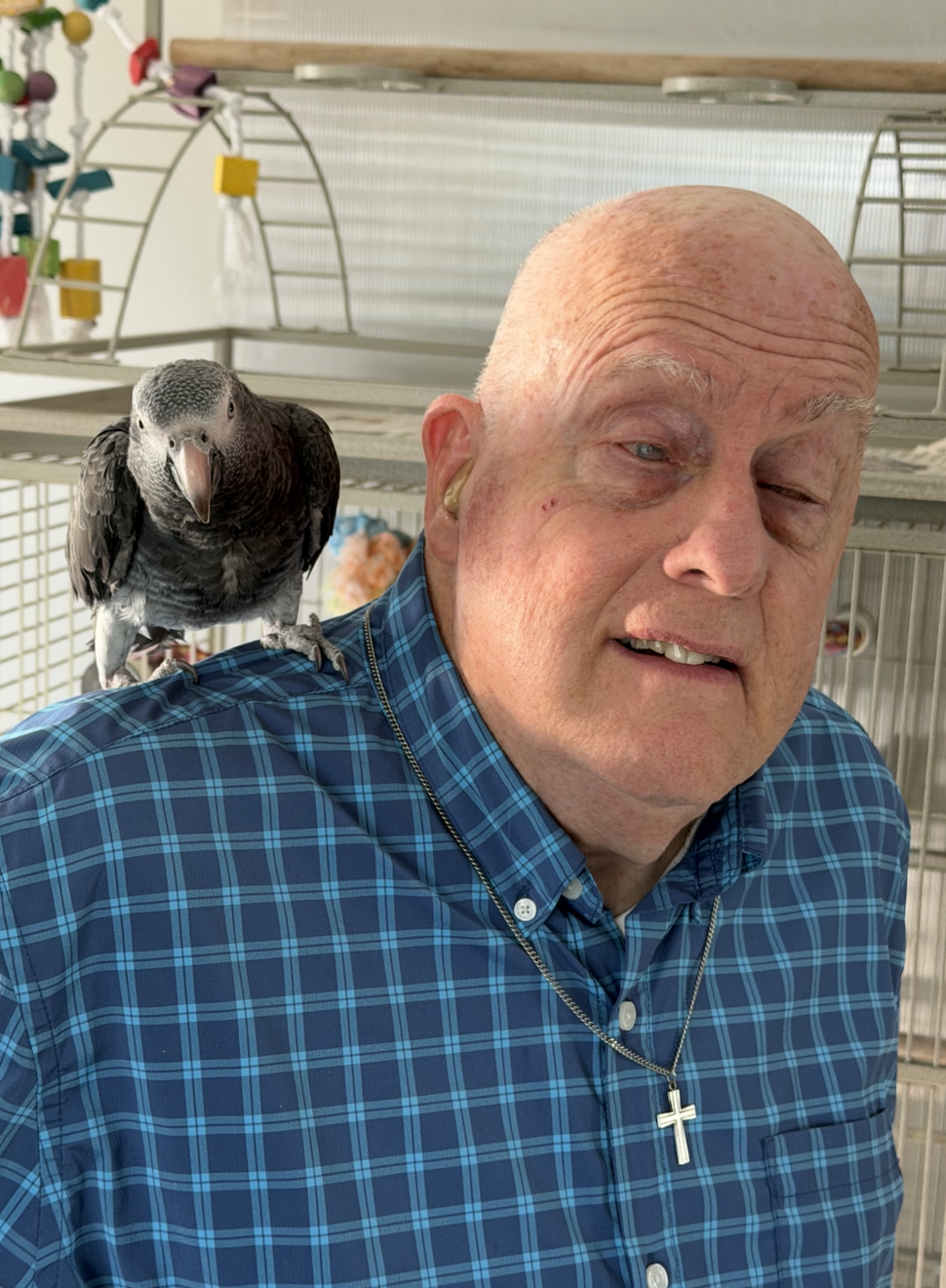
Connect participant Bob enjoying time with his African Gray Parrot. Every participant brings their own story to Connect, and together, those stories are helping build a healthier future for everyone.
Bob R. has lived most of his life just south of Detroit, two miles from the Detroit River, in a community he has truly made his own. A retired educator with 23 years in the classroom, Bob dedicated his career to teaching blind and visually impaired students. Bob is blind himself, a detail that shapes how he moves through the world.
At home, he tends to what he lovingly calls his "little menagerie": Andy, his 10-year-old black Labrador guide dog from the Guide Dog Foundation; a two-year-old standard poodle; a Maine Coon cat; white tree frogs; a tarantula; and a young African Gray Parrot. He sings in his church's chancel choir, attends Bible study, and likes to head outside for walks and exploration. Bob is, at his core, a community man.
He is also a man who has watched cancer take far too much from the people he loves.
Cancer impacted both sides of Bob's family- both grandmothers, an aunt who experienced breast cancer, another who was diagnosed with colon cancer, and a brother who survived testicular cancer.
And then there is his mother.
In 1990, Bob's mother was diagnosed with cervical cancer. For 17 years before her diagnosis, Bob says, she had neglected her own health. She was too busy taking care of those around her. After ten difficult months, she passed away in 1991.
These losses did not make Bob fearful. They made him intentional.
"Prevention is the best medicine," he says plainly. Bob gets his regular screenings, monitors precancerous cells on his head, and takes sun protection seriously. He asks questions. He is proactive. He watches his health the way his mother, he feels, was never able to watch hers. Bob has dedicated himself to making sure that changes with him.
That dedication is exactly what brought him to Connect. Bob joined the study about two years ago. He understands that meaningful science takes time. "Patience is a virtue," he says. He completes his surveys on his smartphone and has expressed interest in a call-in option to answer future surveys, a simple accommodation that could make participation even more accessible for people like him. The Connect team takes feedback from all participants seriously, and suggestions like those offered by Bob provide useful insights into ways that the study can be more accessible for all communities.
Bob’s message to anyone thinking about joining is characteristically warm and straightforward: "It's not a laborious thing. It's easy to do. If cancer has touched your life in some way and you want to help others, do it."
Paris B., Metro Detroit
"Future generations shouldn't have to suffer."
Paris B. is a Metro Detroit native who participates in Connect through Henry Ford Health. He is the kind of person who thinks carefully about what his actions mean, not just for himself, but for the people who come after him. That long view is what drew him to cancer prevention research.
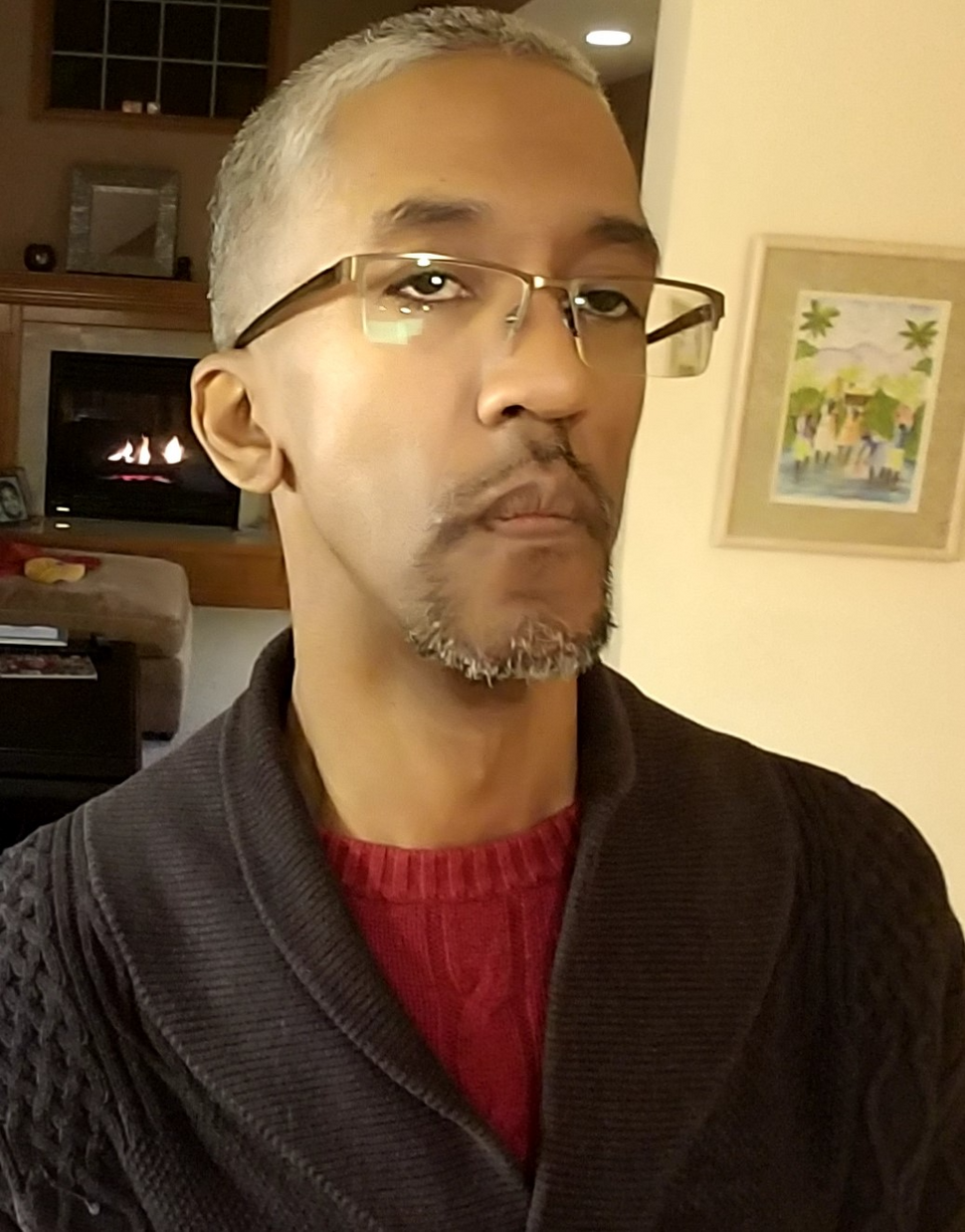
Connect participant Paris, one of the 100,000+ participants involved in Connect, helping to shape the future of cancer prevention.
Paris joined Connect in 2025, but his relationship with research goes back further. He also participates in the All of Us research program from the National Institutes of Health and the Vanguard Study, which focuses on cancer research. For Paris, participating in studies is not a burden. On the contrary, it is a calling.
His motivation is deeply personal. His mother is currently experiencing metastatic breast cancer. Her father, Paris's maternal grandfather, died of colon cancer at just 48 years old. Paris thinks about that often. He thinks about how young his grandfather was, how much he must have suffered, and how much of his life he never got to live.
"I signed up for this study to honor him," Paris says, adding that his participation also honors his extensive family network, including his mother, grandparents, siblings, nephews and niece, goddaughters, and all near and distant cousins. This sentiment exemplifies his desire to change the future of cancer prevention science through his participation in Connect.
Paris also brings an important perspective to the research itself: representation matters. He notes that studies sometimes fail to capture a broad enough sample of different ethnicities, which can skew results and limit how useful findings are for all communities. By participating, he sees himself doing his part to make the science both more accurate and equitable, so that all communities can benefit from research discoveries.
When he is not contributing to research studies, Paris is feeding his curiosity in a dozen different ways. He loves watching travel content on YouTube, reads newspapers and health publications like Consumer Reports on Health, and is a proud science fiction fan with a deep affection for Star Wars. He cooks, balancing his love of sweets with a diet rich in vegetables and quality proteins. This past spring, he was especially excited to return to something he loved as a kid: gardening. You can find bell peppers, onions, beets, and romaine lettuce in his vegetable patch this year- all fresh ingredients he puts straight into his cooking.
During warmer months, you might find Paris biking, strolling the Detroit RiverWalk, or soaking up the sun at Belle Isle or community events at Hart Plaza, including the African American Festival.
When asked about his experience in Connect so far, Paris commented that taking part in the study is refreshingly simple. His advice to others mirrors his own experience: "It is very important to take part so that future generations don't have to suffer from cancer. It's a simple thing to do. It doesn't require a lot of time, and you can make a big impact on others in the future."
Paul G., Chicago
"I believe in fighting for things that are right."
Paul G. is a Chicagoan through and through. Picture a third-generation Cubs fan with strong opinions, an open mind, and a life built around curiosity. He spent 20 years as a physical therapist before transitioning into property management and investing. His hobbies are a fascinating mix: he has taken up calculus ("I've learned I'm a slow mathematician," he laughs, "but I find it very peaceful; there's no gray area"), loves to cook, travels frequently to visit friends near and far, and has recently returned to playing piano. He owns a synthesizer and is rediscovering music, something he set aside years ago. He is also active with the Nature Conservancy and looks forward to getting outdoors each summer.
Paul came to Connect with both grief and conviction.
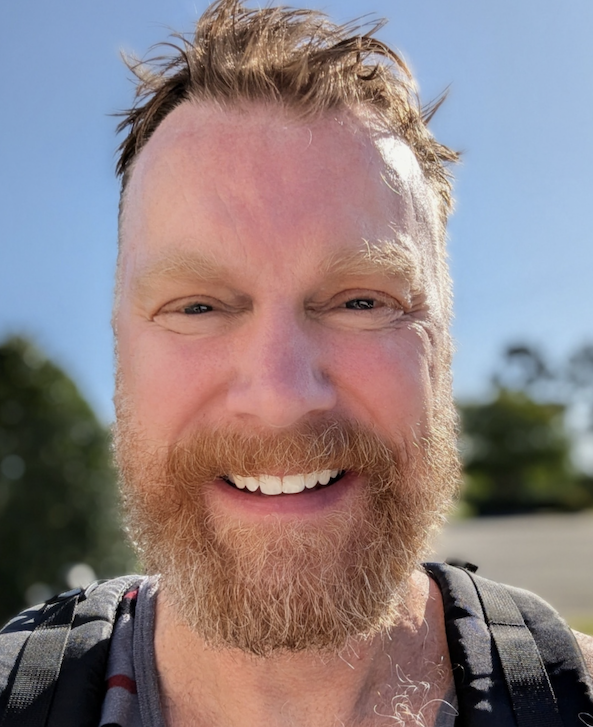
Meet Paul, one of the 100,000 participants helping to build Connect. Thank you for being part of this journey with us.
He lost his father when he was just 27 years old. He lost his mother only a decade ago. His sister, at 58, experienced breast cancer. These are the central losses of Paul’s life. Ones he says he has grieved tremendously. This grief became fuel.
"I believe in fighting for things that are right," he says. "I think people have a right to live." He is a self-described science advocate who believes firmly that research is humanity's best tool for reducing cancer deaths. He is not naive about how much is still unknown. "We are still learning how to defeat this," he says. "A lot of science and research goes into understanding what is preventable. And so much of cancer is preventable."
Paul joined Connect a couple of years ago and describes the experience as seamless. He feels the surveys are thoughtfully constructed, not overly burdensome, and sees sharing his data as one way to contribute to something larger than himself.
What sets Paul apart, and what he most wants to pass on to others, is his philosophy about science and open-mindedness. He is concerned about how many people get stuck in echo chambers, driven by emotionally charged information rather than evidence. The essence of science, he argues, is a willingness to be proven wrong, to commit to reproducibility, and to stay curious. "When you open your mind," he says, "it helps not just the project but yourself. It's a better way of being in the world."
His message to prospective participants is an invitation as much as an encouragement: "Connect to the study. Help out research. Discover new things, and truth, for the benefit of all of us. We are all in this together."
Power in Numbers
Bob, Paris, and Paul represent something important: men who chose not to sit on the sidelines. Historically, men are typically less likely than women to seek preventive care and engage with the healthcare system proactively. This can affect long-term health outcomes. Actively participating in health research is one action-oriented way to get more involved.
Connect needs the voices, biology, family histories, and lived experiences of men across ages, backgrounds, and communities to generate findings that can protect everyone.
These three men know what cancer costs. They have paid that price in watching the disease impact their loved ones and have each decided that the best thing they can do with those experiences is turn them intosomething meaningful. In the darker moments they found the inspiration to participate in research. By contributing their data, they are making a lasting difference in the lives of millions of people.
These men all took a stand to prevent cancer. If their stories resonate with you, consider joining them. We would be honored to welcome you to the Connect community.
If you’d like to share your story and reasons for taking part in Connect, we would love to hear from you! Please reach out to our team at the Connect Support Center at cancer.gov/connectstudy/support or email ConnectStudy@NORC.org.