
2018 - Updates & Insights Blog
-
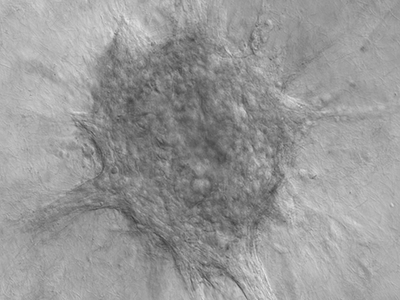
A large majority of cancer deaths are attributable to metastasis, the process by which cancer cells spread throughout the body to form new tumors in distant vital organs1. Despite its central importance to patient outcomes, the cellular and molecular basis of metastasis is incompletely understood.
-

Patient clinical responses and changes in tumor burden during treatment reflect the cumulative effects of diverse phenomena that occur at the cellular level. Therefore, it is useful to describe treatment responses at the level of patients, tumors and cells.
-

The Therapeutically Applicable Research to Generate Effective Treatments (TARGET), a large-scale pediatric genomic characterization initiative, continues to demonstrate the importance of integrative analyses using comprehensive data and metadata generated from high-quality
-

CCG Director, Dr. Louis M. Staudt and The Cancer Genome Atlas Director, Dr. Jean Claude Zenklusen pick their favorite books and review articles related to cancer genomics.
-
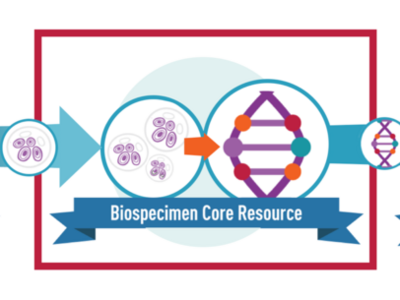
The Biospecimen Core Resource (BCR) collects patient samples and readies them for genomic characterization, analysis, and other downstream steps. The CCG, which has managed the BCR for over a decade for use by The Cancer Genome Atlas and other projects, offers tips for researchers who may be planning their own genomic characterization study.