
Coping - NCI-CONNECTions
Rare brain and spine tumor coping news and commentaries from patients and health and wellness experts. Includes inspiring messages, advice and tips, and positive coping strategies to live fully.
-
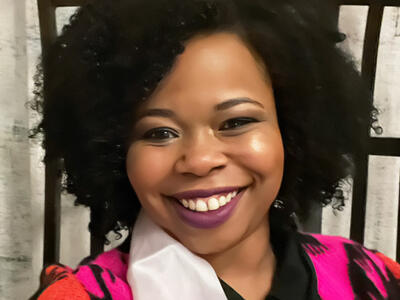
Donita’s friends and family helped create a recovery plan, cook meals, and care for her after she underwent surgery to remove her pilocytic astrocytoma.
-

Mikaeel shares how returning to work kept him focused and optimistic throughout treatment for his oligodendroglioma.
-

Outcomes Program Manager Alvina Acquaye-Mallory answers questions about how health care providers, patients, and caregivers can cope with stress and burnout during their cancer care journey.
-

Paul has lived with a recurring ependymoma of the brain and spine for most of his life. In that time, he has found connection in the NCI-CONNECT community, comfort in spirituality, and trust in his care team.
-
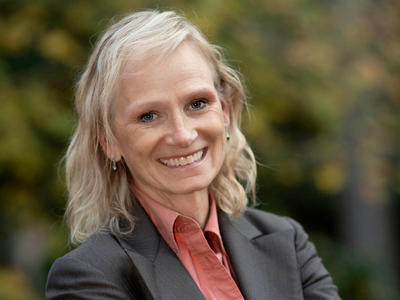
As a physician and researcher, Debra learned to advocate for herself during treatment by finding reliable online sources, interviewing multiple care providers, and participating in a clinical study.
-
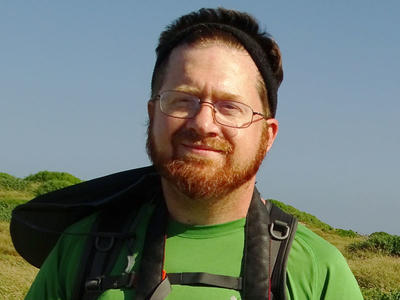
Steve was a nurse for many years and found meaning in caring for others. But when he was unable to return to work after being diagnosed with an IDH-mutated astrocytoma, he found other ways to lead a fulfilling life.
-

Liz never imagined that she would become a care partner to her vibrant husband Julio because of an ependymoma diagnosis. She shares their journey and how they work together as a team through the good times and the bad.
-
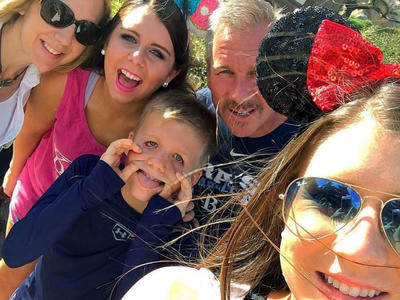
Jen has lived with an ependymoma for over eight years and undergone multiple treatments, including three brain surgeries. She shares how her determination to go back to work and find a good medical team has helped her live her best life.
-
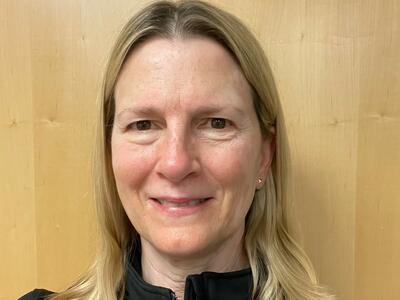
NIH Clinical Center Social Worker Sylvia Stearn provides supportive counseling and resources to help patients with brain and spine tumors cope and transition to their new normal.
-
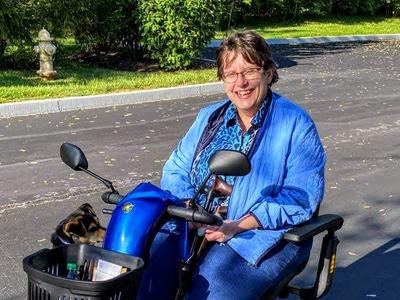
Lynita has lived with ependymoma for 17 years. She shares how she endured multiple surgeries, radiation, and drug treatments—and has adjusted her life to live fully with physical limitations.