
An Update on Grantmaking at NCI
, by NCI Director Dr. Anthony Letai
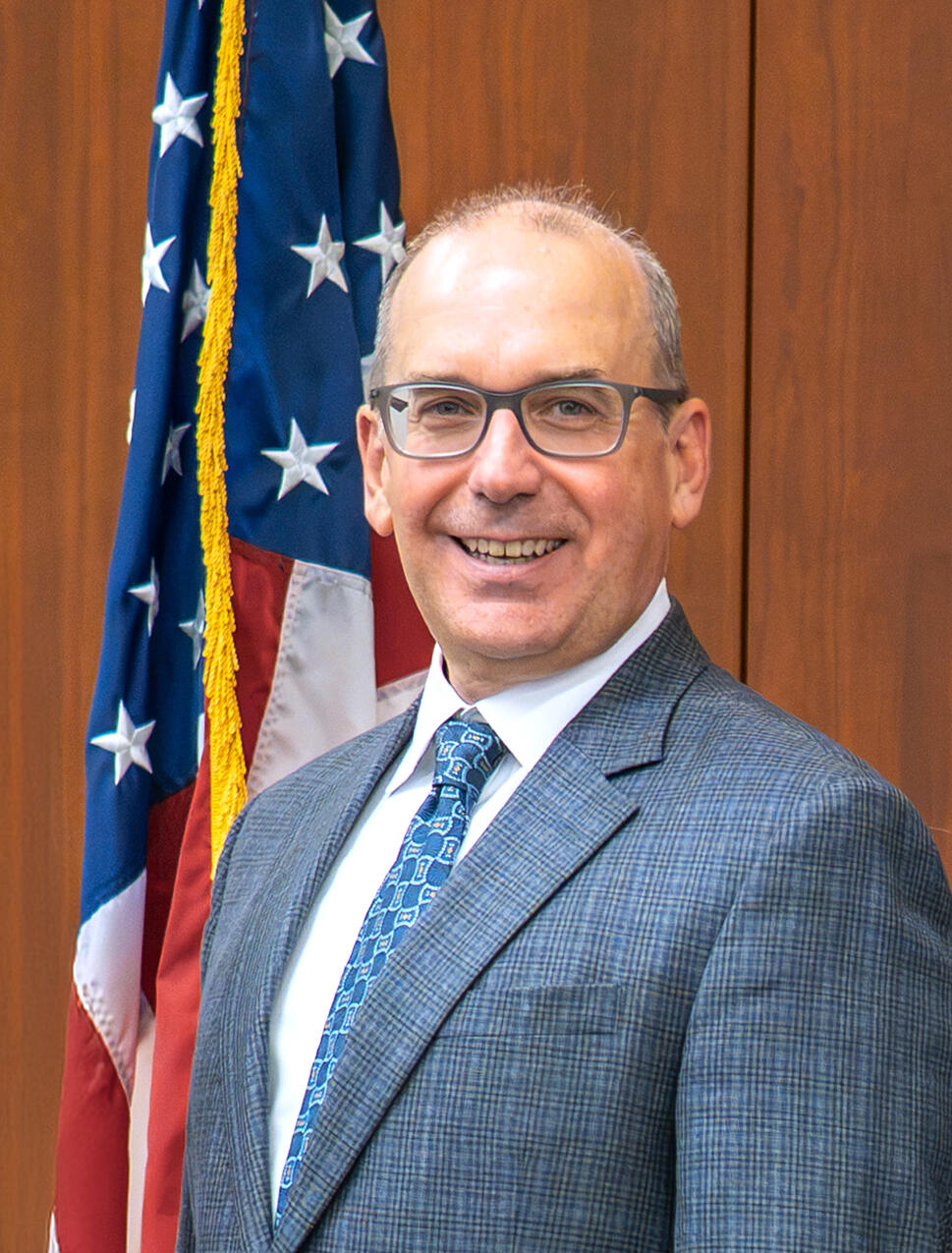
NCI Director Dr. Anthony Letai
Credit: National Cancer Institute
At AACR last month, I spent more time in the hallways talking about grant statuses than I anticipated. People kept stopping me to ask the same questions about when they can expect to hear whether their grant application has been accepted.
I also know many of you have seen headlines in the press suggesting that the NCI is somehow less committed to cancer research. Let me be clear: that narrative does not reflect the reality we are seeing. Our dedication to the cancer research community has not faltered.
Those conversations told me two things: the community is paying close attention, and you deserve straight answers. Running a lab and planning research is stressful enough without having to guess when—or if—your funding will arrive. So here is where things stand, and what we’re doing to fund the best science as swiftly as possible.
The change we’re navigating
There is often a gap between high-level budget numbers and what you actually experience on the ground. On a macro level, NCI’s overall financial commitment to the extramural community remains at an all-time high. But I know that broad perspective offers little comfort when the day-to-day realities of how that money is processed and distributed have changed. I also recognize that these structural and administrative shifts have caused some anxiety for many investigators, labs, and cancer research institutions who are waiting for an answer or to receive funding.
Why is this? First, we are still navigating the lingering effects of the seven-week government shutdown last fall. That lapse in operations has been a major contributor to the current timeline for getting dollars out the door.
Second, NIH recently introduced a new unified funding strategy, which fundamentally changes how we process awards and includes a shift toward more multi-year funding. We are genuinely excited about what this strategy means for the community over the long term. With multi-year funding, for instance, funding more of the full project period upfront provides greater stability from day one, allowing researchers to focus on the science rather than year-to-year administrative renewals, while maintaining overall balance across the portfolio.
Rolling out a comprehensive unified funding strategy required program and grants management staff to adapt to new processes, procedures, and workflows. We are largely through that transition now, and as we continue to implement these changes, NCI remains committed to operating within the congressionally mandated multi-year funding ceiling.
For NCI, these updates have also influenced how we approach the R01 payline. Rather than locking into a fixed cutoff, we are moving toward a more flexible model while maintaining fairness, consistency, and rigorous review standards in funding decisions. As I have stated many times before, peer review remains central to decision-making. This approach allows us to continue prioritizing early-stage investigators (ESIs), helping to sustain a broad and diverse pipeline of scientific talent.
Where things stand today
I want to reassure researchers that the work is getting done and funding is moving. That steady progress reflects the extraordinary efforts of our grants management officers and NCI program staff, who have been working tirelessly behind the scenes to keep awards on track. I am deeply grateful for their commitment to NCI’s mission.
Our funding trajectory remains encouraging. Last year was the largest year for extramural funding in NCI’s history. Looking ahead to the end of FY26, we are on track to fund more new research project grants (RPGs)—and more ESI awards—than we did last year.
Here is where things stand as of May 26, 2026:
- 1,127 competing awards (RPGs and non-RPGs) have been selected for funding with 579 paid to date
- 98 ESI applications have been selected for funding with 28 paid to date
- 4,881 total non-competing awards have been selected for funding with 2,166 paid to date
In short, we are approximately 75% of where we were at this time in FY24 (competing and non-competing awards). With the new processes now in place, the primary challenge we are working through is the historic volume of awards. Because we are on track for another record year of funding, we are processing a large number of researcher applications and transactions within a compressed timeframe. Ensuring each grant is handled accurately and efficiently requires individual attention, but the queue is moving steadily.
Looking ahead
My goal for the rest of the fiscal year is straightforward: to get every approved award out the door. We are on track to fully utilize our congressional allocation by the end of FY26, continuing to support research at historically high levels.
At its core, this moment is about trust and shared responsibility. One of my concerns is that misconceptions about shrinking support could discourage talented early-career scientists from entering or staying in the cancer research field. Supporting the next generation of researchers remains a central priority for NCI, and it will take continued partnership between NCI and research institutions to ensure that early-career scientists have the stability they need to succeed. To those early in your careers: the pace of biomedical discovery is extraordinary, and your contributions are essential. We need you in this field, and we are committed to doing our part to support your work.
We are grateful for the patience and candor of the research community, and for the important scientific progress being made. Updates will continue to be shared as the year progresses.