
Updates & Insights Blog
This blog features current topics in cancer genomics research and news and updates from OCG. Let's continue the conversation on our Personal Genomics Podcast.
At the present time, all NIH-sponsored meetings are cancelled. We apologize for any inconvenience this may cause and appreciate your understanding.

-
Each year, more than 200,000 children and adolescents under the age of 20 are diagnosed with cancer worldwide1.
-

Dr. John Weinstein discusses progress in computational biology over the 12-year span of TCGA. The field has expanded greatly, with researchers taking on more complex problems and trying different approaches.
-
The Genomic Data Commons (GDC) launched two years ago with the goal to build a collaborative, interactive knowledge system that anyone can use. Dr. Lou Staudt reflects on milestones reached at the GDC’s two year anniversary and challenges ahead in building clinically relevant tools and advancing precision medicine.
-
The Center for Cancer Genomics (CCG) continues to build genomic resources with a special focus on clinical features and patient outcome. A new wave of cancer characterization projects will generate data relevant for precision medicine and build on the legacy left by The Cancer Genome Atlas, which officially concluded in April 2018.
-
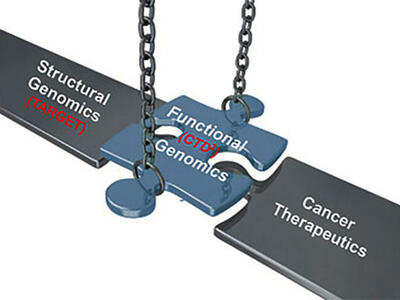
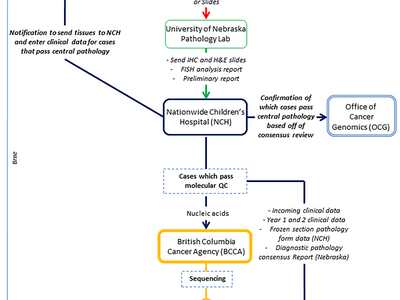
A collaborative study conducted by two Office of Cancer Genomics (OCG) initiatives highlights the importance of integrating structural and functional genomics programs to improve cancer therapies, and more specifically, contribute to precision oncology treatments for children.
-

For over seven years, the Office of Cancer Genomics (OCG) has supported recent doctoral graduates through internship and fellowship programs.
-
Burkitt Lymphoma (BL) is an aggressive B-cell lymphoma involving dysregulation of the MYC oncogene by chromosomal translocations. It is most common in children but also affects adults and occurs in sporadic, endemic, and HIV-associated forms.
-
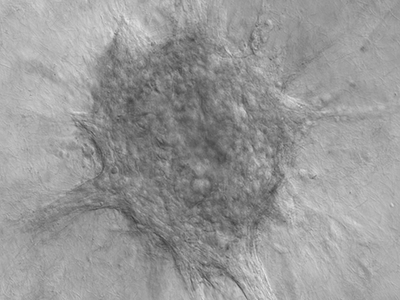
A large majority of cancer deaths are attributable to metastasis, the process by which cancer cells spread throughout the body to form new tumors in distant vital organs1. Despite its central importance to patient outcomes, the cellular and molecular basis of metastasis is incompletely understood.
-
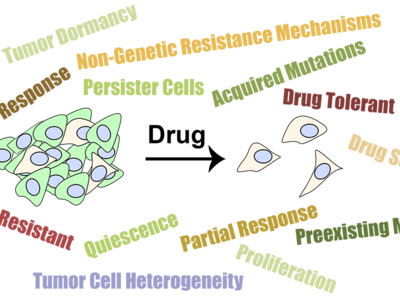
Patient clinical responses and changes in tumor burden during treatment reflect the cumulative effects of diverse phenomena that occur at the cellular level. Therefore, it is useful to describe treatment responses at the level of patients, tumors and cells.
-

The Therapeutically Applicable Research to Generate Effective Treatments (TARGET), a large-scale pediatric genomic characterization initiative, continues to demonstrate the importance of integrative analyses using comprehensive data and metadata generated from high-quality