
Penile cancer is a type of cancer that forms in the tissues of the penis.
The penis is a rod-shaped male reproductive organ that passes sperm and urine from the body. It contains two types of erectile tissue (spongy tissue with blood vessels that fill with blood to make an erection):
- Corpora cavernosa are the two columns of erectile tissue that form most of the penis.
- Corpus spongiosum is the single column of erectile tissue that forms a small portion of the penis. The corpus spongiosum surrounds the urethra (the tube through which urine and sperm pass from the body).
The erectile tissue is wrapped in connective tissue and covered with skin. The glans (head of the penis) is covered with loose skin called the foreskin.
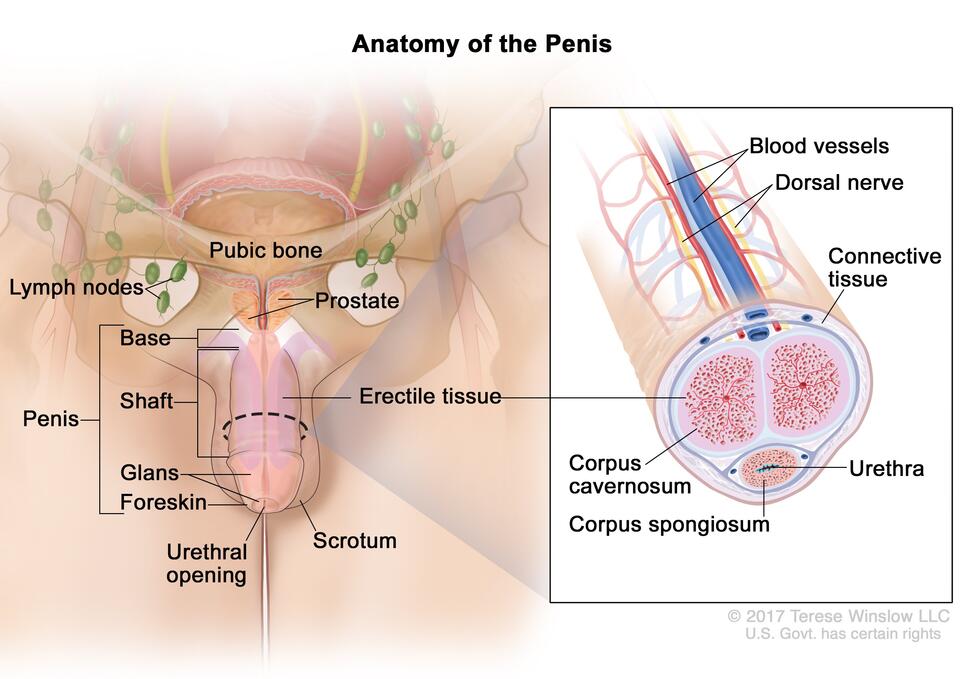
Anatomy of the penis. The parts of the penis are the base, shaft, glans, and foreskin. The tissues that make up the penis include the dorsal nerve, blood vessels, connective tissue, and erectile tissue (corpus cavernosum and corpus spongiosum). The urethra passes from the bladder to the tip of the penis.
Credit: Terese Winslow
Risk factors for penile cancer
Penile cancer is caused by certain changes to the penile cells function, especially how they grow and divide into new cells. There are many risk factors for penile cancer, but many do not directly cause cancer. Instead, they increase the chance of DNA damage in cells that may lead to penile cancer. To learn more about how cancer develops, see What Is Cancer?
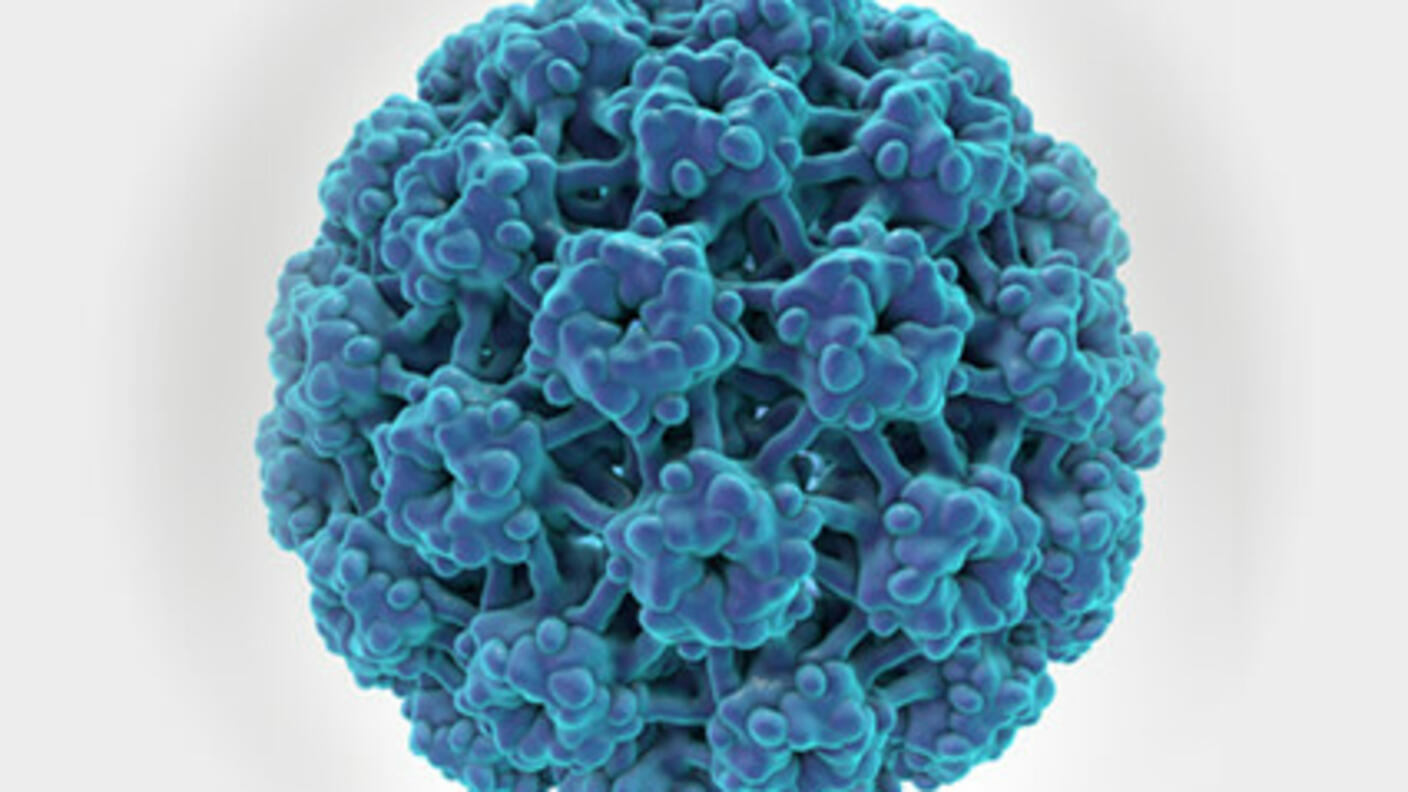
A risk factor is anything that increases the chance of getting a disease. Some risk factors for penile cancer, such as tobacco use, can be changed. However, risk factors also include things you cannot change, like getting older and your health history. Learning about risk factors for penile cancer can help you make changes that might lower your risk of getting it. Human papillomavirus infection may increase the risk of developing penile cancer.
Risk factors for penile cancer include:
- being uncircumcised. Circumcision may help prevent infection with the human papillomavirus (HPV). A circumcision is an operation in which the doctor removes part or all of the foreskin from the penis. Many boys are circumcised shortly after birth. Men who were not circumcised at birth may have a higher risk of developing penile cancer. Learn more about HPV and Cancer.
- being 60 years or older.
- having phimosis (a condition in which the foreskin of the penis cannot be pulled back over the glans).
- having poor personal hygiene.
- having many sexual partners.
- using tobacco products. Learn more about Tobacco (includes help with quitting).
Having one or more of these risk factors does not mean that you will get penile cancer. Many people with risk factors never develop penile cancer, while others with no known risk factors do. Talk with your doctor if you think you may be at risk.