
2017 - CGH Spotlight Blog
-
CGH attended the African Organisation for Research and Training in Cancer (AORTIC) biennial conference on cancer prevention and control research, training and advocacy in Africa. This year’s conference was held from November 7-10, 2017 in Kigali, Rwanda.
-
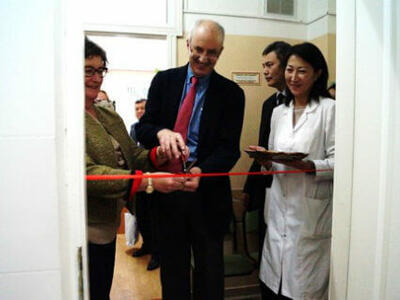
NCI Center for Global Health’s Scientific Alliance with Kazakhstan on Women’s Cancer Research
-
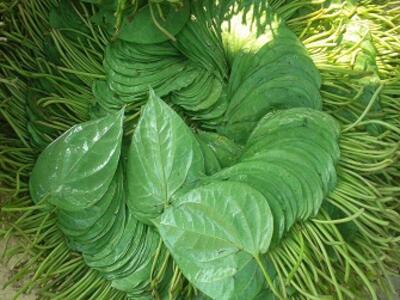
The WHO Sub-Regional Workshop on Betel (Areca) Nut and Tobacco Use in the Philippines on November 29, 2017 brought together participants from around the Western Pacific to learn about the use of areca nut and tobacco in the region and potential health impact.
-

Betel quid and areca nut, typically made up of a mixture of areca nut and slaked lime wrapped in a betel leaf with added flavorings, is a known risk factor for many oral and other associated cancers. There are more than 600 million betel quid or areca nut users worldwide (or 10% of the world’s population), making it a critical global cancer control issue. With its use steeped in culture and tradition, the use of betel quid and areca nut is widely unregulated, and poses a significant and understudied health threat to the Asia-Pacific region where prevalence is high. Unlike many forms of smoked tobacco, the two are widely used by women in regions where common. Betel quid and areca use also extends beyond the Asia-Pacific region to diaspora and migrant communities in the U.S., South Africa, and parts of Europe and the Middle East.
-
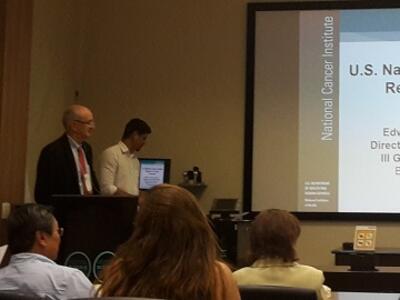
CGH engages with Brazilian partners to further collaborative cancer research projects.
-
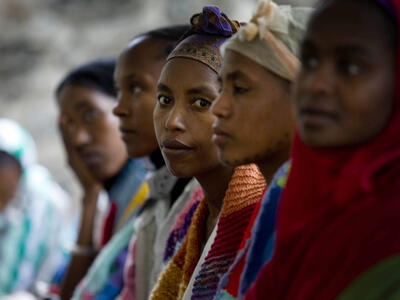
The global landscape of disease highlights disparities that exist between nations. An estimated 36 million people worldwide live with HIV and AIDS, of which only 1 million are located within the United States. While the diagnosis of a life-threatening disease can be devastating, individuals with HIV and AIDS frequently bear an additional burden of stigma and discrimination.
-
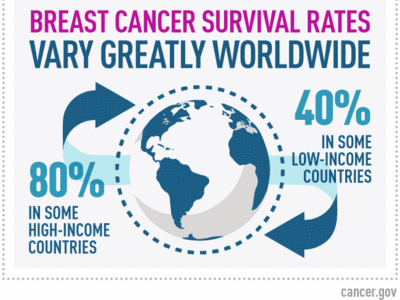
The US National Cancer Institute’s Center for Global Health (CGH) has been a key partner in a multi-institutional expert team that has developed a set of publications to address foundational concerns in breast cancer care across the cancer care continuum and within limited resource settings.
-
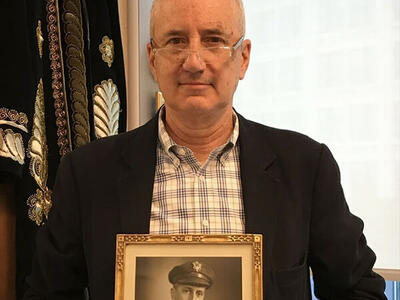
World Cancer Research Day is recognized on September 24, 2017. This day presents an opportunity for all of us to remind the world of the critically important roles research and cancer researchers play in reducing the global burden of cancer. Together with ten other global partners, NCI participated in the planning and launch of this initiative, highlighting the amplified impact of international cooperation in the clinical research arena.
-

CGH visits India to further develop our collaboration in cancer research.
-

The Center for Global Health works with foreign scientific funding agencies to incentivize cooperation on work that is of importance to the American cancer research enterprise.