
CBIIT News
Keep up with the latest news from CBIIT and the data science communities.
-

See how this NCI-funded tool called “HAPI” can help you spot structural changes linked to hijacked enhancers
-

She speaks to how these areas are interconnected, shares her personal career journey, and uses her experience to advise you on how to be a successful cancer researcher.
-

Discover how you can use it to access and visualize genomic data, making it easier for you to analyze and interpret complex omics data.
-

Apply for this NIH-supported opportunity to help advance the use of quantum computing to tackle real-world biomedical research problems, including cancer research.
-

ARPA-H has awarded contracts to nearly 20 teams who are tackling a broad range of projects, many of which are directly related to cancer research.
-

See how this cyber device could help you with artificial intelligence (AI)-guided glioblastoma segmentation.
-
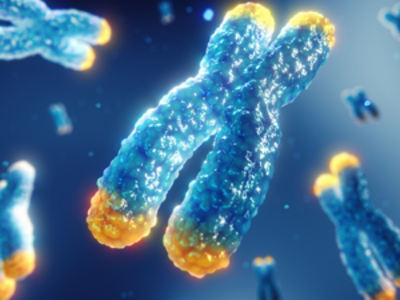
Telomeres have confounded researchers for decades, making it difficult to understand their full impact on diseases like cancer. See how this new digital telomere measurement tool is helping researchers gain insight into these elusive structures.
-

Learn about the Childhood Cancer Data Initiative’s national strategy for studying children, adolescents, and young adults with very rare cancers.
-
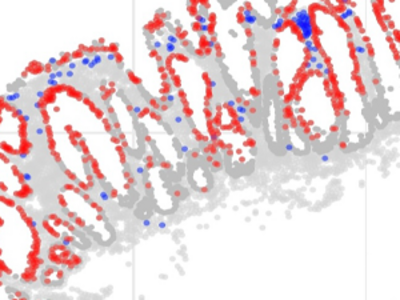
NCI-funded researchers have a new semi-automated tool, called “GammaGateR,” that may help.
-

Register for this challenge by Monday, November 25, and you’ll be on your way to developing an analysis tool for integrating with NCI’s Genomic Data Commons.
-

NCI wants to hear about your experiences developing and implementing data management and sharing plans. Share your feedback by July 26, 2024.
-

Welcome to the Index of NCI Studies: a new web application designed to gather and display cancer research publications, data sets, clinical trials, and patents from NCI-funded programs. Explore the application (currently in a pilot phase) and leave feedback!
-

Are you interested in comparative oncology? NCI needs input on the future needs and directions of the Integrated Canine Data Commons. Submit a response by Thursday, December 1, 2022.
-

We want to learn more about the resource and information you need to work in cancer data science.
-
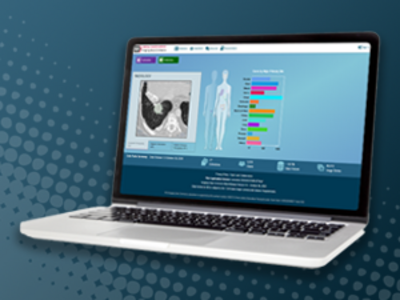
Do you work with imaging data and tools? Share feedback on NCI’s Imaging Data Commons!
-
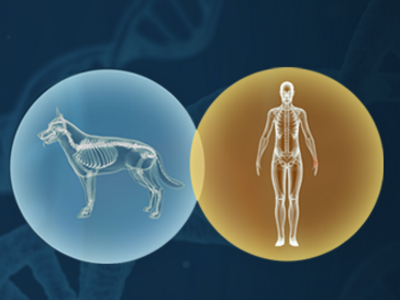
NCI is looking for cancer researchers, who need access to comparative oncology data sets, to give feedback on the Integrated Canine Data Commons (ICDC) data portal and its tools.