
CBIIT News
Keep up with the latest news from CBIIT and the data science communities.
-

Listen to the latest episode of “Inside Cancer Careers” and discover the Big Data Scientist Training Enhancement Program (BD-STEP).
-

Learn how NIH and NCI researchers developed TrialGPT, an artificial intelligence algorithm that could help clinicians connect patients to clinical trial opportunities more efficiently.
-
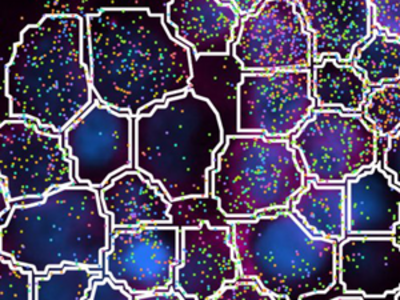
Interpreting tissue biopsies may be easier using this NCI-funded tool. It features an end-to-end approach for automatically analyzing cancer cells and tissues.
-
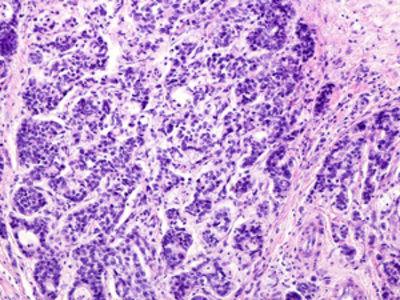
NCI-funded researchers developed a new model called “SEQUOIA” that’s helping capture detailed data from whole slide images. See how this technology could someday be the solution to better biopsies.
-
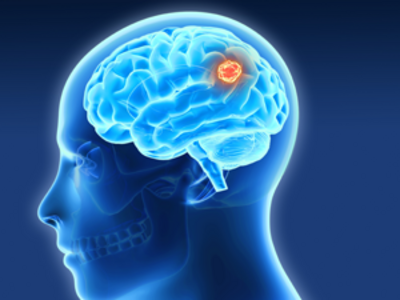
Explore a new artificial intelligence model for detecting gliomas in tissue samples during brain surgeries.
-
Listen to how NCI’s Small Business Innovation Research program is funding technology to enhance breast cancer detection and prevention.
-
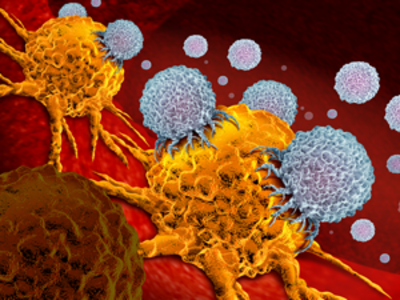
Whether you’re researching a neoantigen, or looking to identify new therapeutic candidates, there’s a new NCI-funded tool, called “pVACview,” that may be able to help.
-
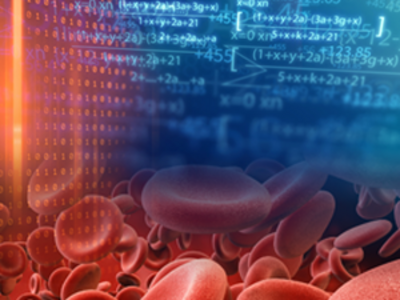
Learn how researchers used machine learning models to identify the specific genetic mutations that trigger clonal hematopoiesis. In this condition, mutated hematopoietic stem cells multiply more rapidly, increasing the risk of blood cancers.
-

NCI-funded researchers are testing a new platform that blends statistical and deep learning models, giving you a fuller picture of the variants driving cancer progression.
-
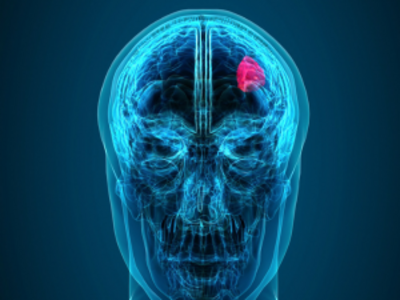
Learn more about NCI’s Human Tumor Atlas Network (HTAN). You’ll gain insights into tumor development, progression, and treatment responses through advanced research methodologies and 3D tumor atlases.
-
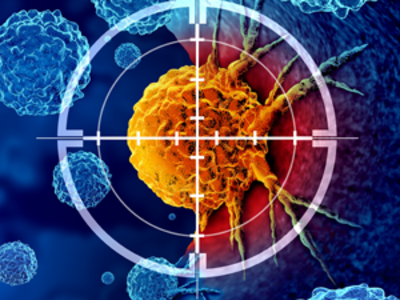
Deciphering bulk data is challenging. See how a recent DREAM challenge is helping researchers benchmark bioinformatics and data science approaches for unraveling bulk genetic cancer data.
-
This opportunity may fund your research or project to help expand NCI’s research and capacity for bioethics issues.
-
NCI-funded researchers are testing a new algorithm that could help you track down both coding and non-coding cancer-causing genes.
-

NCI researchers combined data from dogs and people to identify risk factors for osteosarcoma.
-

If you’re working with adverse event cancer and immune-related data, USCDI+ program staff need to hear from you! See how you can give your feedback on the new USCDI+Cancer draft data set.
-

The hallmark of a good AI model is its ability to work the same in different groups, settings, and situations. See how these NCI researchers used in-house and external images to test their prostate model’s generalizability.
-

Tap into these two newly published articles to see what some prominent researchers are saying about the field and where it’s headed.
-
Tune in to hear how this small team of innovators is working to democratize data science education, break down barriers, and address health inequities in cancer.
-
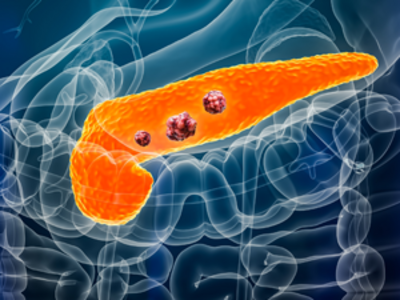
A discovery could impact our understanding of the progression of pancreatic cancer and guide future research and treatment strategies.
-
Want to learn more about the noncoding regions of DNA that impact cancer and its resistance to treatment? A new NCI-funded computational tool called “MethNet” may help.