
2019 - Updates & Insights Blog
-

The GenePattern Notebook is an electronic notebook that enables integrative genomic analyses. These analyses are displayed in a user-friendly form and allows scientists even without programming experience to share, collaborate, and publish the results.
-

HCMI is providing the scientific community with next-gen cancer models that more closely resemble primary tumors, and that are annotated with genomic and clinical data. The article provides examples of how next-gen models have been applied in research.
-
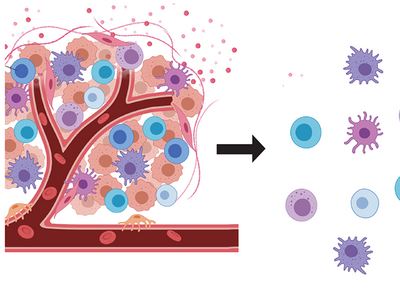
Through single-cell RNA sequencing, researchers can examine gene expression of individual cells, leading to a more detailed understanding of individual cell states and the heterogeneous tumor microenvironment. An overview from CTD2 network researchers from Stanford University.
-

Researchers can now access rich, longitudinal genomic and clinical data from the Multiple Myeloma Research Foundation (MMRF) at NCI's Genomic Data Commons. CCG Director Lou Staudt describes the collaboration with the MMRF in a guest blog post.
-
At the Genomic Data Commons’ three year anniversary, Dr. Lou Staudt reflects on milestones reached and describes future goals for growing an interactive knowledge system for the cancer research community.
-
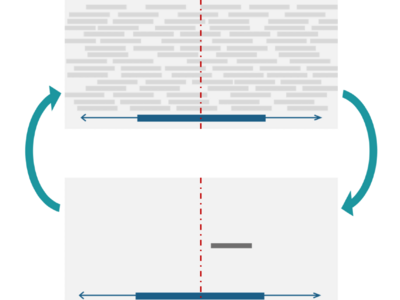
Low-coverage whole-genome sequencing is a recent trend to sequence samples to a very low depth of coverage, often less than 1X. Researchers from very different fields (genetics and cancer diagnostics) are developing computational methods to learn useful information from the limited amount of data.
-

Presentations and other activities with NCI's Center for Cancer Genomics (CCG) at AACR 2019, March 29 - April 3
-
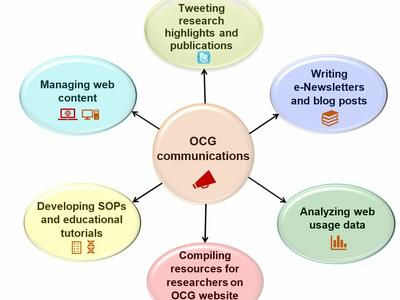
Cindy Kyi, new Health Communications Fellow at the Office of Cancer Genomics (OCG) shares her background, aspirations, and responsibilities as a fellow.
-
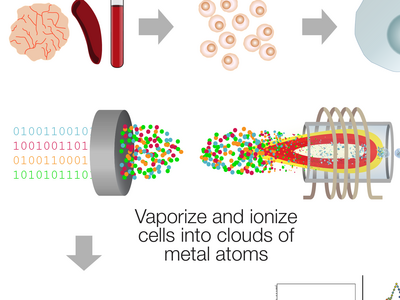
Mass cytometry is an antibody-based cost efficient method to measure phenotypes of single cells. CTD2 Network researchers from UCSF describe the workflow for data analysis and applications of mass cytometry in cancer immunology.
-
A study from CGCI's Burkitt Lymphoma Genome Sequencing Project reveals genetic and molecular distinctions between EBV-positive and EBV-negative BL as well as the role that the EBV plays in BL tumorigenesis