
A Global Health Champion Retires: Thank you, Ted Trimble
, by Lisa Stevens, Ph.D., Director, Division of Programme of Action for Cancer Therapy (PACT), IAEA and Kalina Duncan, Dr.PH., M.P.H., Branch Director, Center for Global Health, NCI
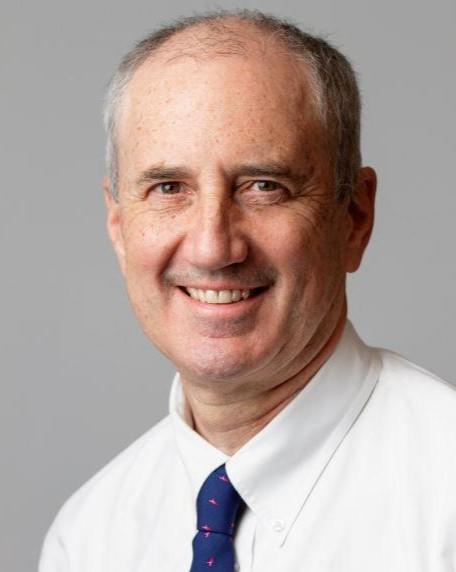
Dr. Edward (Ted) Trimble retired from the US National Cancer Institute on October 1, after 34 years of public service and nearly 15 years in global oncology leadership positions at the Institute. Ted was the first director of the NCI Center for Global Health, established in 2011 under the leadership of Dr. Harold Varmus.
“How do you know Ted?” is a common question at global cancer events and meetings. Ted Trimble is a skilled networker and bridge builder, bringing seemingly unconnected individuals together around a common purpose. Ted has united acquaintances from different sectors and times, from folks he met while working for the mayor of Baltimore to oncologists he trained with to cancer control leaders around the world (especially in Southeast Asia and the Asia-Pacific region). He’s also kept strong ties to Australia (his mother’s home country), demonstrated by his continued work with the Australian cervical cancer community. If you need a contact somewhere - anywhere - chances are Ted has one at the ready.
When Dr. Varmus chose Ted to lead the Center for Global Health, he chose a gynecological oncologist with a passion for equitable access to cervical cancer screening and treatment for all women. Ted approached the leadership of CGH with an open invitation to think big in reimagining NCI’s approach to global health. He inspired the reconstitution of the Leadership Forum approach to national cancer control planning and encouraged the formation of the International Cancer Control Partnership to facilitate greater collaboration in National Cancer Control Plans globally. He supported the Affordable Cancer Technologies Program (which just celebrated its 10th year) to accelerate the detection and treatment of cancer in places with varying degrees of resources. Ted supported the new generation of global health practitioners and engaged NCI-designated Cancer Centers by leading the first evaluation of global activities in cancer centers. He educated Ministries of Health to ensure inclusion of screening and treatment in benefits packages and buoy efforts to establish and improve cancer surveillance systems to inform cancer research and control. As a connector and convener, Ted put CGH and global oncology on the map at NCI and in the world. His ability to truly listen, build partnerships, and seek mutual benefit helped CGH grow from a nascent organization to a cornerstone of USG’s work in global cancer research and control.
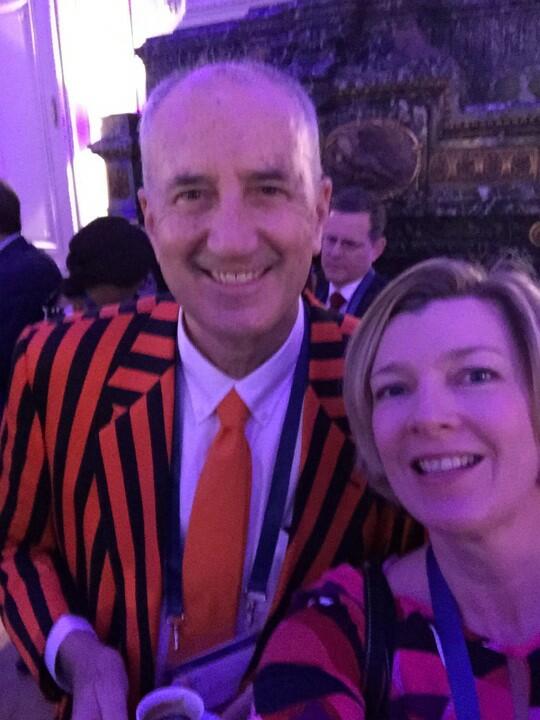
Ted Trimble and Lisa Stevens
Ted believes in people. From the teams he’s led and inspired at NCI to the people living with cancer he works on behalf of, Ted puts people first. That is a theme that has defined his career and the legacy of global health leadership he leaves at NCI. He inspires others in many ways, often beginning with team spirit. Every year on Halloween, his favorite holiday, he hosted an office costume party, arriving in creative outfits that frequently reflected countries he had visited. These celebrations weren’t simply festive traditions; they were a reminder that shared joy strengthens teams and that learning about the world deepens the work we do. His fun streak also leaves its mark, from his willingness to pose for fun photos to leaning into long-running inside jokes that became part of our shared history. Through it all, Ted built more than strong programs; he built a strong global community.
Ted inspires through mentorship. He encourages employees, believes in their potential, and places trusted public servants in roles that offer them opportunities to learn, grow, and lead. He excels at reminding us of why our work matters. And once you’ve worked with him, he remains a supporter, no matter how many years have passed. On trips, he encouraged the CGH team to truly get to know the people, cities, and cultures we encountered. This often involved a walk through a botanical garden or museum to overcome jet lag and gain a more local perspective. He always shares credit generously and has built a team of committed global health practitioners whose varied experiences strengthened CGH.
In every setting, Ted inspires people to learn, to connect, and to bring their full selves to the work. Ted is not going anywhere. He will continue to work to promote equal access and advance cancer control around the world. His next chapter takes him to the Women’s Health Empowerment Network, and if we know Ted, it will be hard to miss him in his black and orange striped blazer at the next global cancer meeting somewhere in the world. Thank you, Ted, for more than 3 decades of service at NCI and for improving the lives of people affected by cancer everywhere.