
Updates & Insights Blog
This blog features current topics in cancer genomics research and news and updates from OCG. Let's continue the conversation on our Personal Genomics Podcast.
At the present time, all NIH-sponsored meetings are cancelled. We apologize for any inconvenience this may cause and appreciate your understanding.

-
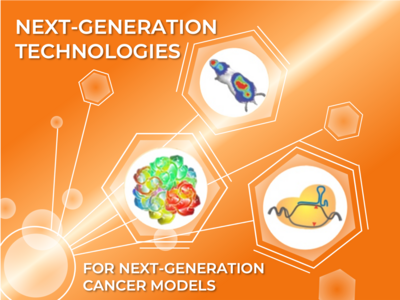
NCI's Next-Generation Technologies for Next-generation Cancer Models program supports the development of technologies and tools that will facilitate, accelerate, and enhance research using human-derived, next-generation cancer models such as organoids and conditionally reprogrammed cells.
-
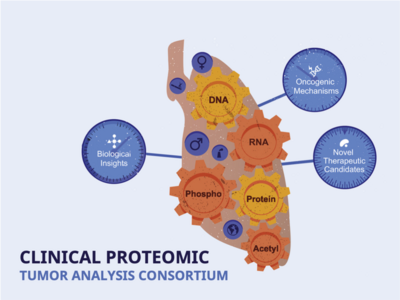
In the second guest post from the Office of Cancer Clinical Proteomics Research, our colleagues describe how proteogenomic research is done and some of the findings made so far about tumor subtypes, immune microenvironment, and other aspects of tumor biology. Many of the new insights were enabled by combining genomic and proteomic data.
-
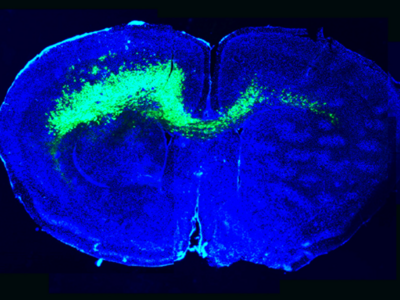
A glioblastoma genetic screen done in mice shows how very different pathways can be altered by different variants of the same key gene—in this case PIK3CA. Tumor cells may even act on neighboring, wild type cells to promote tumorigenesis. The work was led by Drs. Benjamin Deneen, Kenneth Scott, and Gordon Mills, researchers from NCI’s Cancer Target Discovery and Development (CTD^2) Network.
-
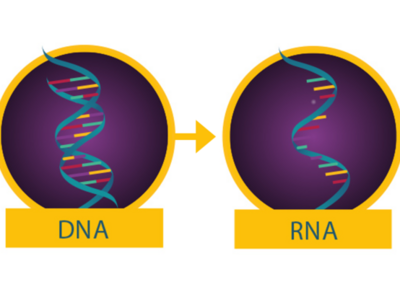
Many layers of regulation affect the flow of information from DNA to RNA to protein. In a guest post from the Office of Cancer Clinical Proteomics Research, our colleagues describe the importance of incorporating proteomics to better understand—and potentially treat—the complexities of cancer.
-
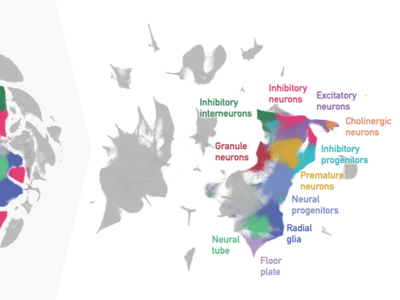
To visualize and interpret single-cell RNA-seq data, researchers must select from endless combinations of computational methods and parameters. Dr. Dmitry Kobak and Dr. Philipp Berens discuss the pros and cons of one popular method in “The art of using t-SNE for single-cell transcriptomics.”
-

Dr. Julyann Pérez-Mayoral, a new program manager for the Human Cancer Models Initiative (HCMI) shares her background and aspirations for her new role at the Office of Cancer Genomics.
-
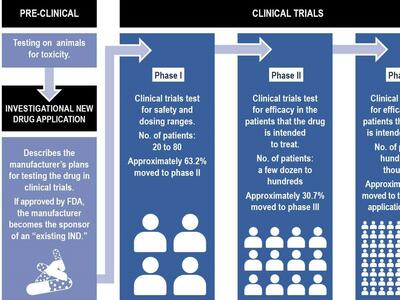
Examples of how CTD² Network research is informing the development of small molecule inhibitors, immunological agents, and other therapies and leading to clinical trials for various cancers.
-
HCMI is an international consortium generating patient-derived next-gen cancer models and case-associated data as a community resource. Get the latest updates on the models available through the Searchable Catalog and case-associated data at the Genomic Data Commons.
-
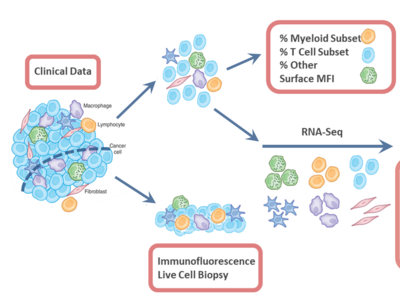
The UCSF Immunoprofiler Consortium aims to understand the nature of immune responses across various cancers and identify biomarkers to discover targets for new therapeutic interventions.
-
A study conducted in Ugandan cervical cancer patients as a part of HIV+ Tumor Molecular Characterization Project helps define the molecular landscape of the disease and describes different human papillomavirus (HPV) clades, influence of HIV status and genetic background in cervical cancer.