
Anal cancer is caused by certain changes to the way anal cells function, especially how they grow and divide into new cells. There are many risk factors for anal cancer, but many do not directly cause cancer. Instead, they increase the chance of DNA damage in cells that may lead to anal cancer. Learn more about how cancer develops at What Is Cancer?
A risk factor is anything that increases the chance of getting a disease. Some risk factors for anal cancer can be changed. However, risk factors also include things people cannot change, like getting older and their health history. Learning about risk factors for anal cancer can help you make changes that might lower your risk of getting it. Talk with your doctor if you think you may be at risk.
Risk factors for anal cancer
Anal HPV infection
Being infected with human papillomavirus (HPV) is the main risk factor for anal cancer. Being infected with HPV can lead to squamous cell carcinoma of the anus, which is the most common type of anal cancer. About nine out of every ten cases of anal cancer are found in patients with anal HPV infection.
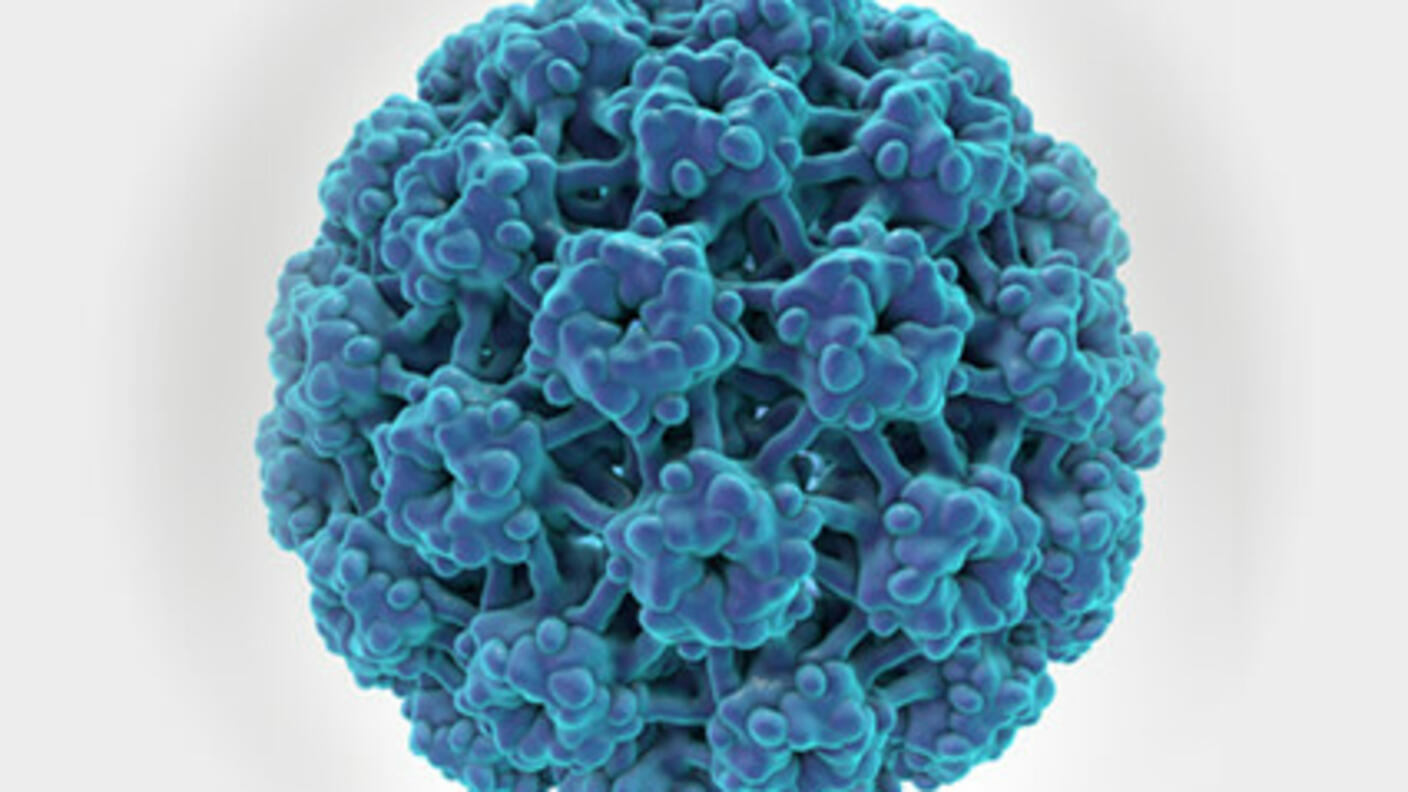
People with healthy immune systems are usually able to fight HPV infections. People with weakened immune systems who are infected with HPV have a higher risk of anal cancer.
Certain medical conditions
History of cervical, vaginal, or vulvar cancer. Cervical cancer, vaginal cancer, and vulvar cancer are related to HPV infection. Women who have had cervical, vaginal, or vulvar cancer have a higher risk of anal cancer.
HIV infection/AIDS. Being infected with HIV is a strong risk factor for anal cancer. HIV is the cause of AIDS. HIV weakens the body's immune system and its ability to fight infection. HPV infection of the anus is common among people who are HIV positive.
The risk of anal cancer is higher in men who are HIV positive and have sex with men compared with men who are HIV negative and have sex with men. Women who are HIV positive also have an increased risk of anal cancer compared with women who are HIV negative.
Studies show that intravenous drug use or cigarette smoking may further increase the risk of anal cancer in people who are HIV positive.
Immunosuppression
Immunosuppression is a condition that weakens the body's immune system and its ability to fight infections and other diseases. Chronic (long-term) immunosuppression may increase the risk of anal cancer because it lowers the body's ability to fight HPV infection.
People who have an organ transplant and receive immunosuppressive medicine to prevent organ rejection have an increased risk of anal cancer.
Having an autoimmune disorder, such as Crohn disease or psoriasis, may increase the risk of anal cancer. It is not clear if the increased risk is due to the autoimmune condition, the treatment for the condition, or a combination of both.
Certain sexual practices
The following sexual practices increase the risk of anal cancer because they increase the chance of being infected with HPV:
- Having receptive anal intercourse (anal sex).
- Having many sexual partners.
- Sex between men.
Men and women who have a history of anal warts or other sexually transmitted diseases also have an increased risk of anal cancer.
Cigarette smoking
Studies show that cigarette smoking increases the risk of anal cancer. Studies also show that current smokers have a higher risk of anal cancer than smokers who have quit or people who have never smoked.
Learn more about Tobacco (includes help with quitting).
Avoiding risk factors and increasing protective factors may help prevent cancer
Avoiding cancer risk factors may help prevent certain cancers. Risk factors include smoking, having overweight, and not getting enough exercise. Increasing protective factors such as quitting smoking and exercising may also help prevent some cancers. Talk to your doctor or other health care professional about how you might lower your risk of cancer.