
Pre-Conference Workshop: Early-Career Development Awards for Global Cancer Research at the NIH
By 2040, most new cancer cases and deaths will happen in low- and middle-income countries. International research collaborations accelerate advances in cancer science by leveraging unique resources, talent, and populations worldwide. Training early-career investigators (ECIs) to lead and support these partnerships is essential. NIH’s international career development (K) awards help ECIs develop research skills, find mentors, and move toward independent research careers.
This interactive CUGH pre-conference workshop will include NIH staff, grantees, and grant experts who will explain the K award process and its outcomes in global cancer research. Participants can share their specific aims and receive peer feedback during breakout discussions. The session takes place the day before the main Consortium of Universities for Global Health (CUGH) annual conference and is free and open to the public.
| Time | Agenda Item |
|---|---|
| 8:00 a.m. - 9:00 a.m. | Registration |
| 9:00 a.m. - 10:15 a.m. | Welcome and Overview Overview of the NIH Career Development (K) Award Grant Application Process Lessons from Funded NIH K Awards: Tips for Grant Writing |
| 10:15 a.m. - 10:30 a.m. | Break |
| 10:30 a.m. - 12:00 p.m. | Basics of Grant Writing Dr. J. Andrew Dykens, Associate Professor of Family and Community Medicine, University of Illinois Chicago, Chicago, IL, USA Preparing for the K08 Application Dr. Rebecca Luckett, Obstetrician-Gynecologist, Beth Israel Deaconess Medical Center, Boston, MA, USA; Assistant Professor, Harvard Medical School, Boston, USA; Adjunct Associate Professor, University of Botswana, Gaborone, Botswana Preparing for the K43 Application Dr. Rahmat Adetutu Adisa, Professor of Biochemistry, Department of Medical Biochemistry, College of Medicine, University of Lagos, Lagos, Nigeria Moderated Panel Discussion Facilitator: Ms. Mishka Kohli Cira, Public Health Advisor, Center for Global Health, National Cancer Institute, National Institutes of Health, Rockville, MD, USA |
| 12:00 p.m. - 1:00 p.m. | Lunchtime Discussion with NIH leaders: Charting Global Cancer Research Careers Dr. Satish Gopal, Director, Center for Global Health, National Cancer Institute, National Institutes of Health, Rockville, MD, USA |
| 1:00 p.m. - 2:15 p.m. | Overview of Afternoon Breakout Discussions Dr. Fatou Jallow Table Facilitators: Dr. Hawa Camara, Post Doctoral Fellow, Center for Global Health, National Cancer Institute, National Institutes of Health, Rockville, MD, USA Dr. J. Andrew Dykens Dr. Fatou Jallow Dr. Sudha Sivaram Dr. Jenelle R. Walker, Health Science Administrator, Eunice Kennedy Shriver National Institute of Child Health and Human Development, National Institutes of Health, Bethesda, MD, USA Table Discussions |
| 2:15 p.m. - 2:30 p.m. | Break |
| 2:30 p.m. - 3:30 p.m. | Table Discussions continued |
| 3:30 p.m. - 3:50 p.m. | Report Out from Groups Dr. Fatou Jallow |
| 3:50 p.m. - 4:00 p.m. | Closing Remarks Dr. Sudha Sivaram |
Speakers
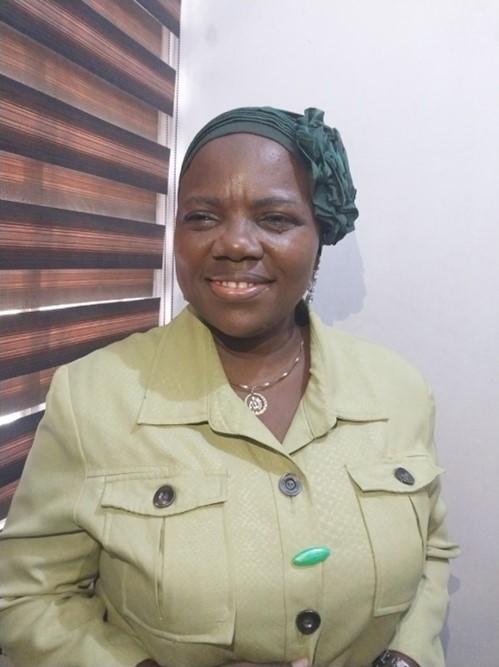
Rahmat Adetutu Adisa, Ph.D., M.Sc.
Rahmat Adetutu Adisa, Ph.D., is a membrane biochemist and toxicologist trained at the University of Ibadan in Nigeria. She is a professor of biochemistry in the Department of Medical Biochemistry at the College of Medicine, University of Lagos, Nigeria.
Dr. Adisa has several prestigious international fellowships, including the Organization for Women in Science for the Developing World (OWSD) postgraduate fellowship (2005). She is a fellow of NIH/Fogarty International Center (FIC) D43 program (2019 cohort) under the Emory-Nigeria Research Training Program, and completed Fogarty Bioethics training at the Centre for Bioethics, Nigeria, in 2020. She is also part of the African Cancer Strategic Training Achievements for Research Success (STARS) Principal Investigator track and is an NIH/FIC Emerging Global Leader Awardee (K43, 2023 - 2028).
Dr. Adisa’s research focuses on the intricate relationship between mitochondrial structure, functional indices, and disease progression, with a particular focus on liver cancer and infectious diseases. She investigates the mechanistic basis of mitochondria-targeted therapies and their potential to mitigate disease symptoms and oxidative cellular damage. Dr. Adisa has authored over 50 scientific publications and is deeply invested in mentoring the next generation and in communal services, which have earned her several awards, including the Fountain University Osogbo Merit Award of Excellence (2026).
Building on her expertise, Dr. Adisa leads innovative research with real-world impact. Her long-term vision is to translate laboratory discoveries into diagnostic and prognostic biomarker tools for the early detection and treatment of hepatocellular cancer. She is equally committed to building scientific capacity and expanding the frontiers of mitochondrial research across Africa.
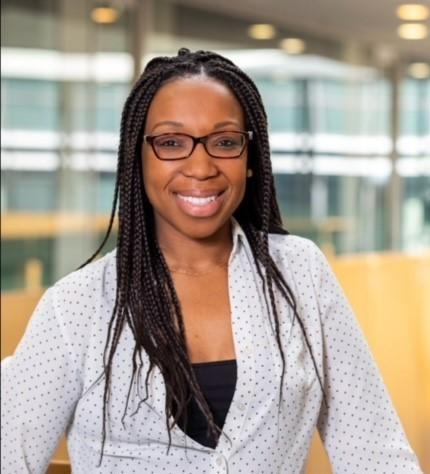
Hawa Camara, Ph.D., M.P.H.
Hawa Camara, Ph.D., M.P.H., is a senior postdoctoral Cancer Prevention Fellow with the Center for Global Health (CGH) at the National Cancer Institute (NCI). She was awarded a Ph.D. in Medicine from the University of New South Wales in Sydney, Australia. Dr. Camara currently leads research focused on cervical cancer prevention, more specifically, the implementation of effective screening and treatment interventions in low-resource settings. During her postdoctoral training, she has conducted research on the implementation of an innovative point-of-care HPV-based diagnostic technology in the Pacific. Her research uses mixed-methods approaches and implementation science to improve the implementation of cervical cancer test-and-treat programs globally. Before starting her Ph.D., Hawa was leading and managing multi-million-dollar health systems strengthening projects in the U.S. and in countries in sub-Saharan Africa and the Caribbean for a decade. She has worked directly with senior officials in numerous countries, helping with their national strategy on a wide variety of public health systems' issues (i.e., human resources for health, leadership and governance, health systems information). Dr. Camara also holds a B.Sc. in public health from the University of Maryland in College Park, Maryland, and an M.P.H. (global health) from George Mason University in Fairfax, Virginia. Moreover, she has pursued additional studies in Health Economics at Oxford University and Human Resources for Health at KIT Health, Amsterdam. She is a diplomatic communicator and prides herself on nurturing connections with people from diverse backgrounds. She is fully bilingual (native French speaker and fully proficient in English).
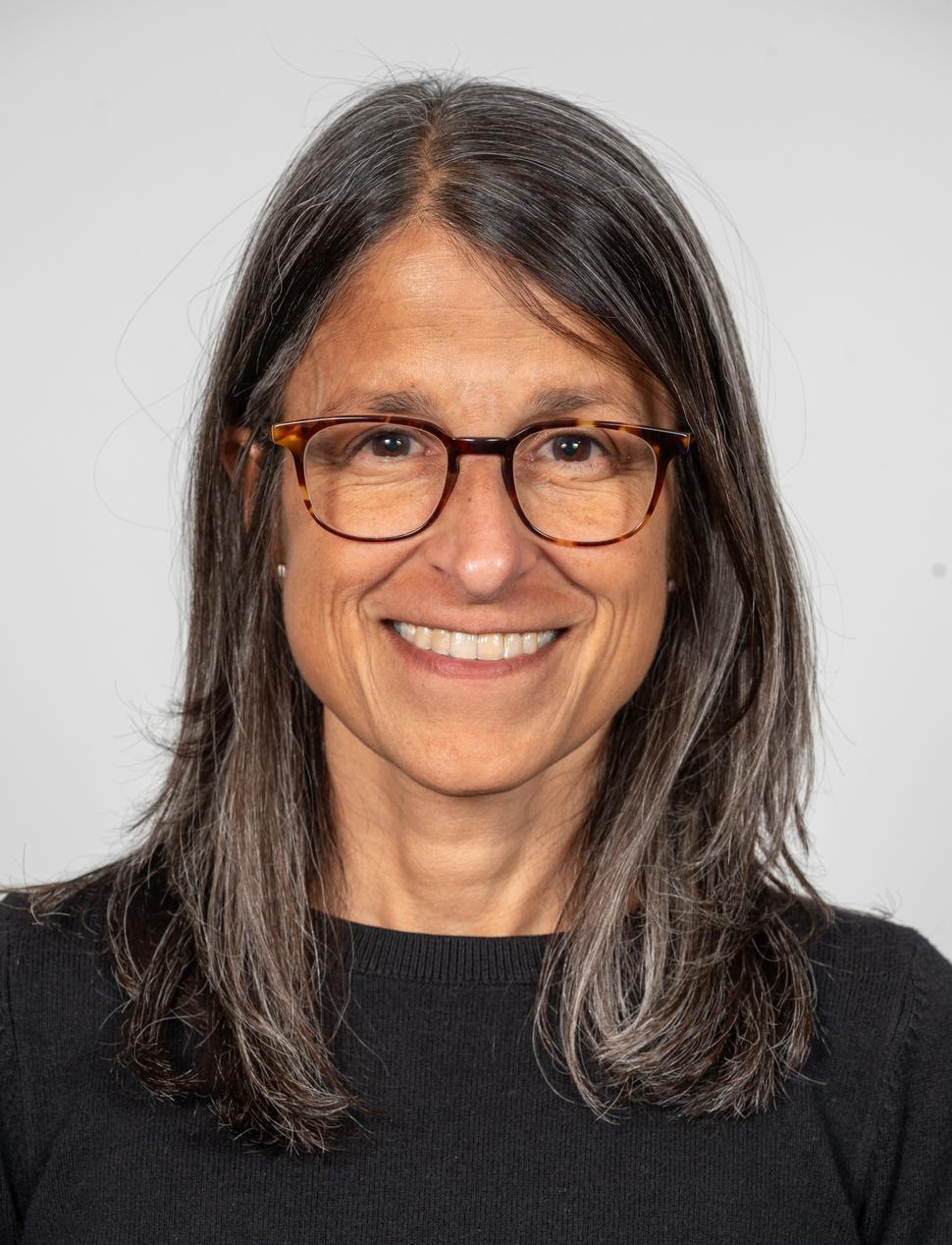
Mishka Kohli Cira, M.P.H.
Mishka Kohli Cira, M.P.H., is a public health advisor in the Partnerships and Dissemination Branch, Center for Global Health (CGH), at the National Cancer Institute (NCI). Mishka leads and coordinates convening activities in support of CGH goals to advance global cancer research and coordinate NCI’s engagement in global cancer control. Mishka leads CGH’s convening of the Annual Symposium on Global Cancer Research, represents NCI in the International Cancer Control Partnership, and supports CGH’s work to convene communities of practices in cancer control with counterparts in low- and middle-income countries (LMICs) to facilitate linkage of researchers to implementers and knowledge exchange around policy implementation.
Mishka started her career working in international education at the College Consortium for International Studies, and served as a US Peace Corps Volunteer teaching English as a foreign language in the Slovak Republic. She has also lived and worked in Brazil, Vietnam, and Kenya. She received her Master of Public Health (MPH) degree from the University of Liverpool, and her Bachelor of Art (BA) degree in Russian Studies from Colgate University.
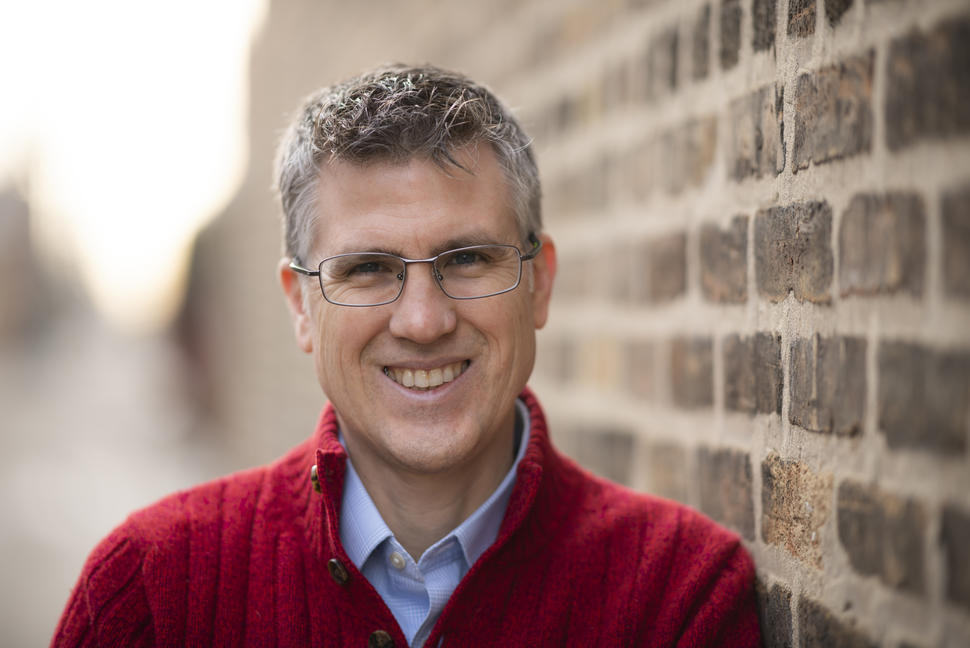
Andrew Dykens, M.D., M.P.H.
Andrew Dykens, M.D., M.P.H. is an associate professor of family and community medicine at the University of Illinois at Chicago (UIC) and a core member at the UIC Center for Global Health. He is an NIH-funded researcher who studies the implementation of sustainable cervical cancer screening programs in West Africa as well as access to primary care and mental health services, plant-based nutrition, and health systems strengthening globally.
Andrew is the Founding Co-Director of the Capacity Strengthening Platform at the Consortium of Universities for Global Health. This global initiative facilitates institutional partnerships aimed at strengthening healthcare training capacity by connecting locally identified human resource gaps with existing resources.
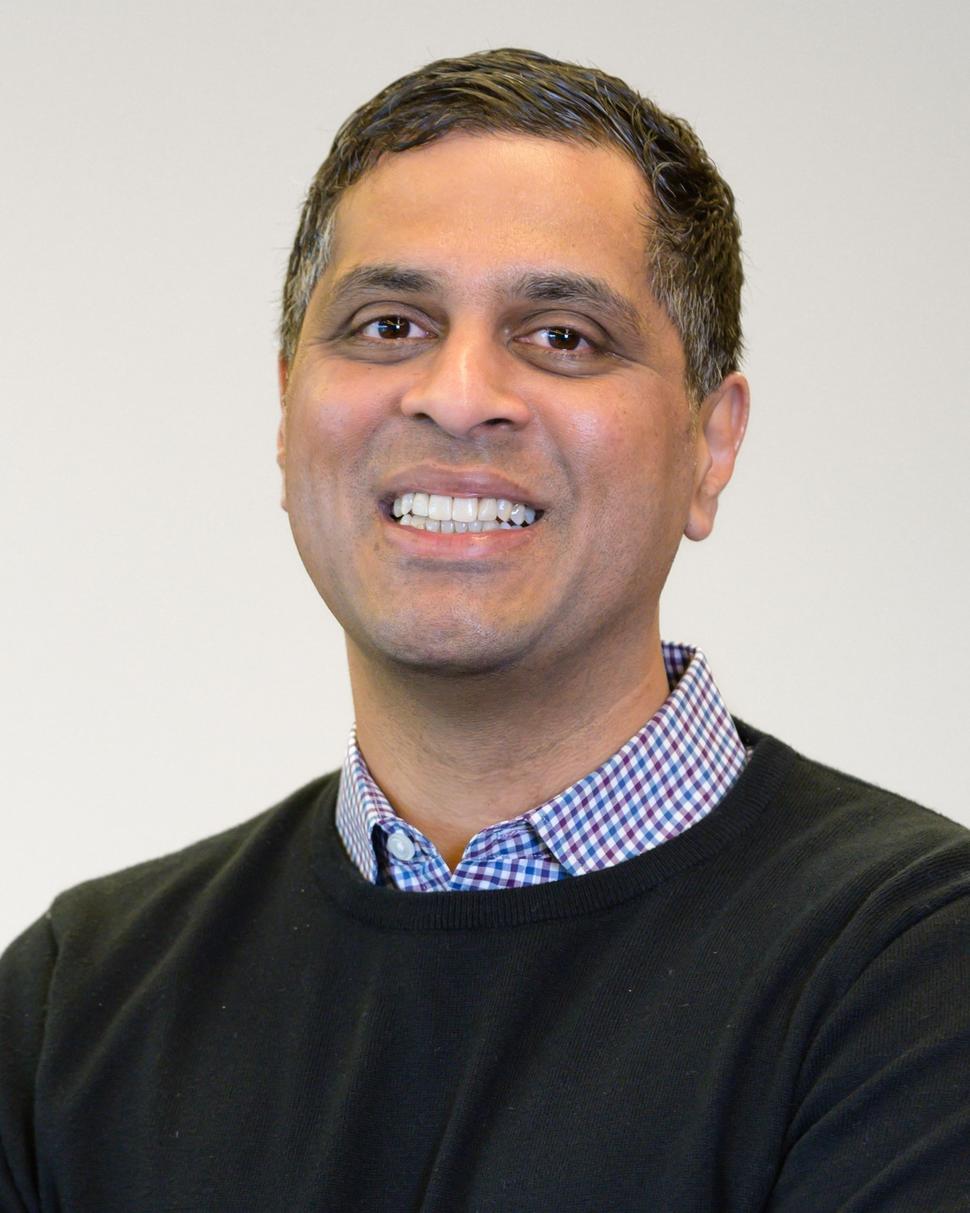
Satish Gopal, M.D., M.P.H.
Satish Gopal, M.D., M.P.H., was appointed director of the Center for Global Health (CGH) at the National Cancer Institute (NCI) in 2020. In this role, he oversees the development of initiatives and collaborations with other NCI and NIH partners, NCI-designated cancer centers, and other governmental and non-governmental organizations to support cancer research, promote science-based cancer control, and build research capacity in low- and middle-income countries. Before coming to NCI, Dr. Gopal was the Cancer Program Director for the University of North Carolina collaboration with the Malawi Ministry of Health.
Dr. Gopal earned his medical degree from the Duke University School of Medicine in 2001. He completed training in internal medicine and pediatrics at the University of Michigan, lived and worked in Tanzania from 2007 to 2009, then returned to the United States to pursue medical oncology and infectious disease training at the University of North Carolina. He primarily lived and worked with his family in Malawi from 2012 to 2020 before being recruited to the NCI, when he was the only medical oncologist in the country and treated public sector cancer patients at the national teaching hospital alongside Malawian colleagues. He returned frequently to provide clinical service in the North Carolina Cancer Hospital.
As an extramural physician-scientist, his NIH-funded research program focused on epidemiologic, clinical, and translational studies of lymphoma and HIV-associated malignancies in Africa and he oversaw a multidisciplinary cancer research portfolio which sought to address many of the commonest cancers in the region, including cervical, breast, and esophageal cancer. This program generated some of the first published studies in Africa to describe detailed molecular profiles for specific cancer types, characterize several unique lymphoproliferative disorders, report clinical trials of targeted cancer therapy, perform economic evaluations of cancer treatment, and integrate patient-reported outcome measurements. He has authored more than 140 publications in journals such as NEJM, JAMA, Lancet, and Nature Medicine among others, and mentored more than 30 early-career U.S. and African pre- and post-doctoral cancer researchers, many of whom hold academic positions in global oncology at NCI-designated cancer centers, African academic institutions, and other international organizations. He has spoken widely and provided leadership and expertise on various working groups, review committees, and boards. As an adjunct intramural investigator at the NCI, he continues clinical and translational research related to lymphoid malignancies in Africa. He previously served as the Associate Chair for African International Sites for the NCI AIDS Malignancy Consortium (AMC) with oversight responsibility for the network’s African clinical trials. He currently serves as the US representative on the Scientific Council for the International Agency for Research on Cancer (IARC), as an Ex Officio Advisory Board Member for the NIH Fogarty International Center, and as an Advisory Board Member for the Institute of Cancer Research of the Canadian Institutes of Health Research. Dr. Gopal is a recipient of the 2024 American Society of Clinical Oncology Humanitarian Award.
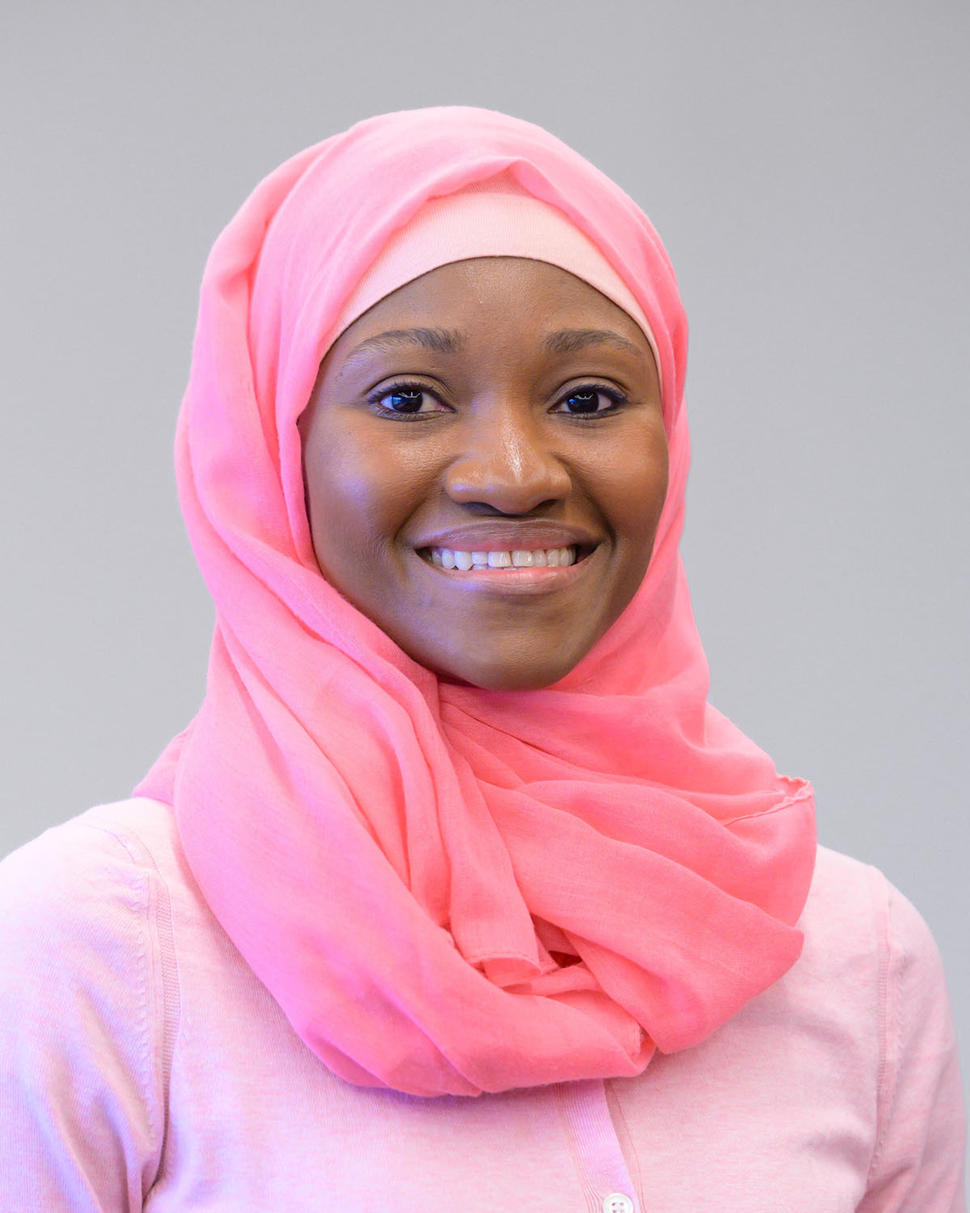
Fatou Jallow, Ph.D.
Fatou Jallow, Ph.D., is a program director in the Research and Training Branch of the Center for Global Health at the National Cancer Institute (NCI). She provides strategic leadership for global research training programs that support early-career investigators conducting cancer research in low- and middle-income countries (LMICs). Her work advances implementation science approaches to improve cancer outcomes, strengthen sustainable research capacity, and foster the next generation of global cancer researchers.
Prior to joining NCI, Dr. Jallow was an AAAS Science & Technology Policy Fellow at the U.S. Agency for International Development (USAID), where she advised on global family planning programs and research strategies in LMICs. She earned her Ph.D. in Endocrinology and Reproductive Physiology from the University of Wisconsin – Madison.
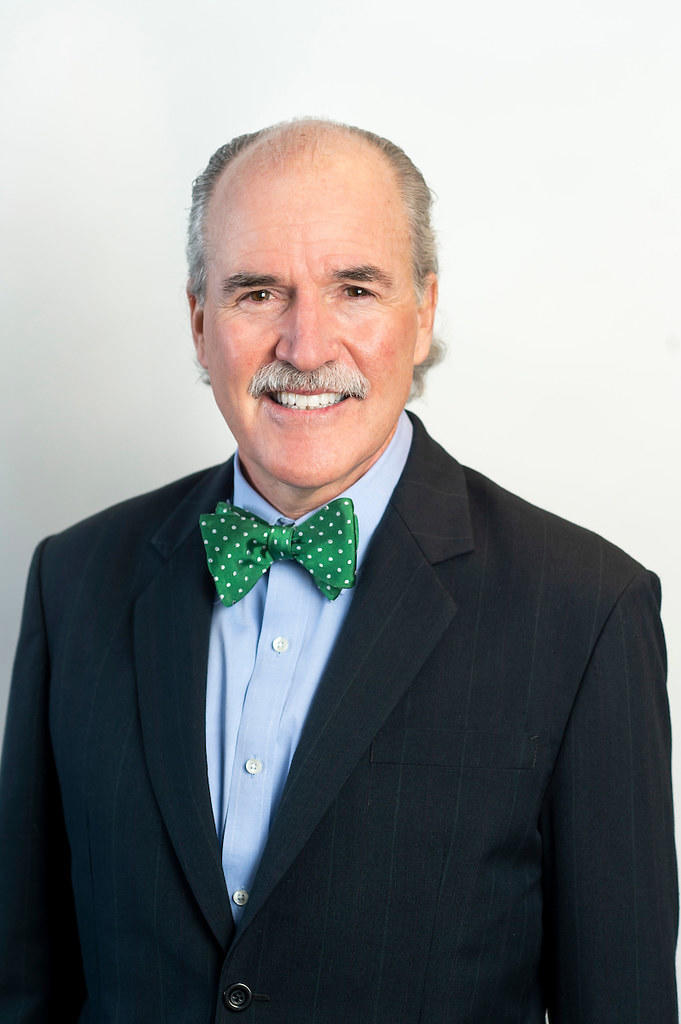
Peter Kilmarx, M.D.
Dr. Kilmarx is acting director of the Fogarty International Center. He joined Fogarty on July 1, 2015 as the deputy director. He was acting director of the Fogarty International Center and acting associate director for international research at the National Institutes of Health from January 2023 to May 2024. He again served as the Center's deputy director from May 2024 through April 2025.
Dr. Kilmarx is an expert on infectious disease research and HIV/AIDS prevention. During his tenure at Fogarty he has led analysis of NIH global health activities, built coalitions with high-level NIH and external stakeholders, and represented the Center and NIH in national and international forums. He co-lead an initiative to transform African health professional education and research as well as the African Postdoctoral Training Initiative (APTI), which brings African postdoctoral fellows to NIH. He has also focused on efforts to build global capacity for pandemic preparedness and concentrated on using data and metrics to increase impact and capacity strengthening. He has co-authored papers using data to track metrics to measure national health research capacity.
He previously served as the Center for Disease Control and Prevention's Country Director in Zimbabwe, providing oversight for 30 CDC staff who managed the implementation of the U.S. efforts to reduce HIV/AIDS, tuberculosis (TB), and malaria. A retired Rear Admiral and Assistant Surgeon General in the U.S. Public Health Service, Dr. Kilmarx served as the CDC Ebola response team leader in Sierra Leone in September-October 2014, and as principal deputy team leader in Guinea in January-February 2015. Previously, he initiated the CDC response to the Ebola outbreak in Kasai Occidental, Democratic Republic of Congo (DRC), in 2007, and led household surveillance in the Ebola outbreak in Kikwit, DRC, in 1995.
Dr. Kilmarx held a variety of leadership positions at the CDC, including senior advisor to the Director for Health Reform and chief of the Epidemiology Branch—both in the Division of HIV/AIDS Prevention. He also served as director of the CDC partnership with Botswana to combat HIV/AIDS, TB, and related conditions, as well as the chief of the CDC's Sexual Transmission Research Section in Thailand. Previously, he completed assignments in Pakistan and the DRC. An experienced clinical trials manager, he has served as principal investigator on microbicide trials in Thailand, as senior investigator on TB and HIV trials in Botswana, and as principal investigator on HIV studies he initiated at public health facilities in Zimbabwe.
After earning his M.D. from Dartmouth-Brown's Combined Program in Medicine, Dr. Kilmarx completed both his internal medicine residency and infectious disease clinical fellowship at Johns Hopkins Hospital, Baltimore. He is a fellow of the Infectious Diseases Society of America. He has published numerous peer-reviewed journal articles and book chapters, and serves on the editorial board of Sexually Transmitted Diseases. He began his international career as a Peace Corps volunteer in the DRC (then Zaire), where he helped develop fisheries that are still productive today.
Dr. Kilmarx has received numerous awards including the U.S. Public Health Service (USPHS) Distinguished Service Medal for a distinguished USPHS career responding to HIV/AIDS and other infectious disease threats and building health research capacity worldwide, and the USPHS Presidential Unit Citation, for “extraordinary courage and the highest level of performance in action throughout the United States Government's response to the Ebola outbreak."

Rebecca Luckett, M.D., M.P.H.
Rebecca Luckett, M.D., M.P.H., is an obstetrician-gynecologist at Beth Israel Deaconess Medical Center and the University of Botswana. She is an assistant professor at Harvard Medical School and an adjunct associate professor at the University of Botswana.
She completed her Medical Degree and master's in Public Health at Mount Sinai School of Medicine and pursued her residency at the Massachusetts General Brigham program.
Through collaborative partnership, she has worked to strengthen medical education in Botswana, serving as the founding residency program director for the first Master of Medicine residency program at the University of Botswana. Her research focuses on the intersection of cervical cancer, human papillomavirus, and HIV. She is currently working to support early-career investigators in women’s health in Botswana.
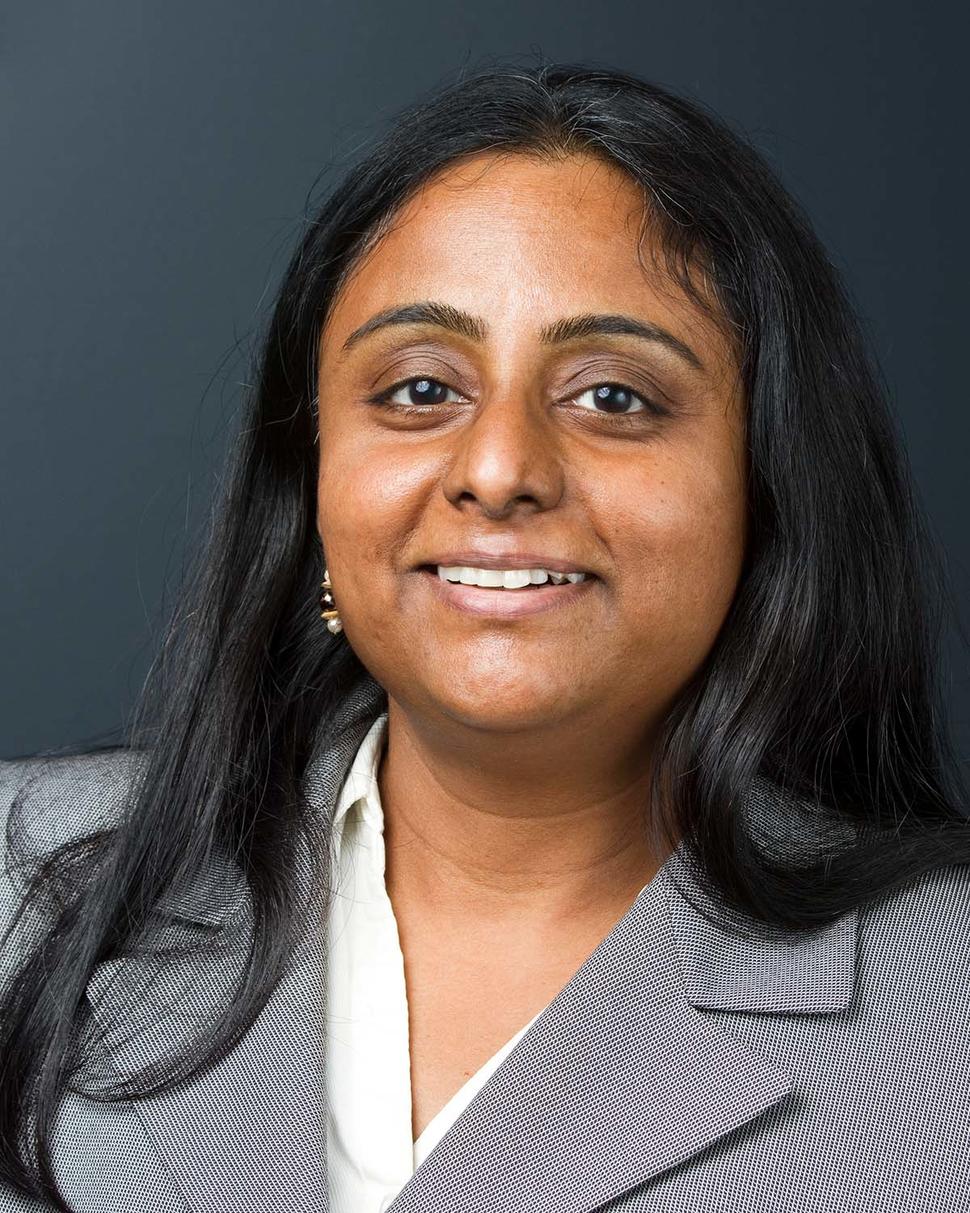
Sudha Sivaram, Dr.P.H., M.P.H.
Sudha Sivaram, Dr.P.H., M.P.H., is a program director at the Center for Global Health (CGH). In this capacity, she leads the portfolio of global cancer research training, works with colleagues across the NCI and NIH to develop funding initiatives, and coordinates training and research education programs that seek to build capacity and support career development of early-stage scientists in cancer research. Dr. Sivaram led the development of NCI’s first broad global research training initiative. She is a member of several trans-NCI and NIH committees that focus on advancing science in key biomedical research areas such as implementation research in cancer control and obesity and cancer. Dr. Sivaram has received a NIH Director’s Award for her work with the Global Environment and Occupational Health Research Collaborative and NCI Director's Awards for collaborative cancer research in India.
Dr. Sivaram earned her Doctorate of Public Health in epidemiology from the Johns Hopkins University Bloomberg School of Public Health. Following her doctoral degree, she continued at Hopkins serving as faculty in the Department of Epidemiology, where her research in HIV/AIDS and cancer control in South Asia was supported by the U.S. National Institutes of Health and private foundations. Employing principles of epidemiology, community-based research, and implementation research, Dr. Sivaram has led and co-authored numerous peer-reviewed publications and book chapters and is a reviewer for many professional journals. She serves as a mentor to students in public health and currently serves as an academic editor for the journal, PLOS Global Public Health. She recently completed a Fulbright-Nehru academic research fellowship in India, whose goal was to work with cancer survivors and their caregivers to understand patient-reported measures to improve quality of life during and after cancer treatment.

Janelle R. Walker, Ph.D., M.S.
Jenelle R. Walker, Ph.D., M.S., is a health scientist administrator in the Pediatric, Growth, and Nutrition Branch at the Eunice Kennedy Shriver National Institute of Child Health and Human Development (NICHD) at the National Institutes of Health (NIH). Dr. Walker was previously a Health Scientist at the Center for Translation Research and Implementation Science (CTRIS) at the National Heart, Lung, and Blood Institute (NHLBI) as an American Association for the Advancement of Science (AAAS), Science and Technology Policy Fellow. She was also a research assistant professor at Hampton University for the National Institute of Minority Health and Health Disparities U54 Minority Men’s Health Initiative-Hampton University Regional Transdisciplinary Collaborative Center. Dr. Walker received a Ph.D. in Physical Activity, Nutrition, and Wellness at Arizona State University (ASU), an M.S. in Exercise Science, and a B.S. in Biology from Eastern Washington University. Dr. Walker completed an NIH/NINR T32 Postdoctoral Fellowship for Transdisciplinary Training in Health Disparities Science at ASU’s College of Nursing and Health Innovation and was an ASU Faculty Associate. Her scientific background is in Community-Based Participatory Research (CBPR), stress, exercise physiology, biomechanics, and mixed methods for healthy lifestyles with culturally competent programs in domestic and global communities.