
NCI @ LGCW 2026: Turning Research into Action - The Role of Storytelling and Dissemination
Cancer research has the greatest impact when evidence is clearly communicated, understood, and used to inform action. However, many researchers and program implementers receive little training in communicating findings to gain buy-in and move research into practice across audiences, including scientists, advocates, and decision-makers.
This London Global Cancer Week (LGCW) 2026 session will explore how storytelling and strategic dissemination approaches can help translate evidence into practice in US and global settings. The session will feature case studies from NCI-supported research and dissemination programs in diverse settings. Speakers will share how they used storytelling and strategically disseminated their research to increase understanding, strengthen engagement, support implementation, and influence adoption of evidence-based practice.
| Speakers | |
|---|---|
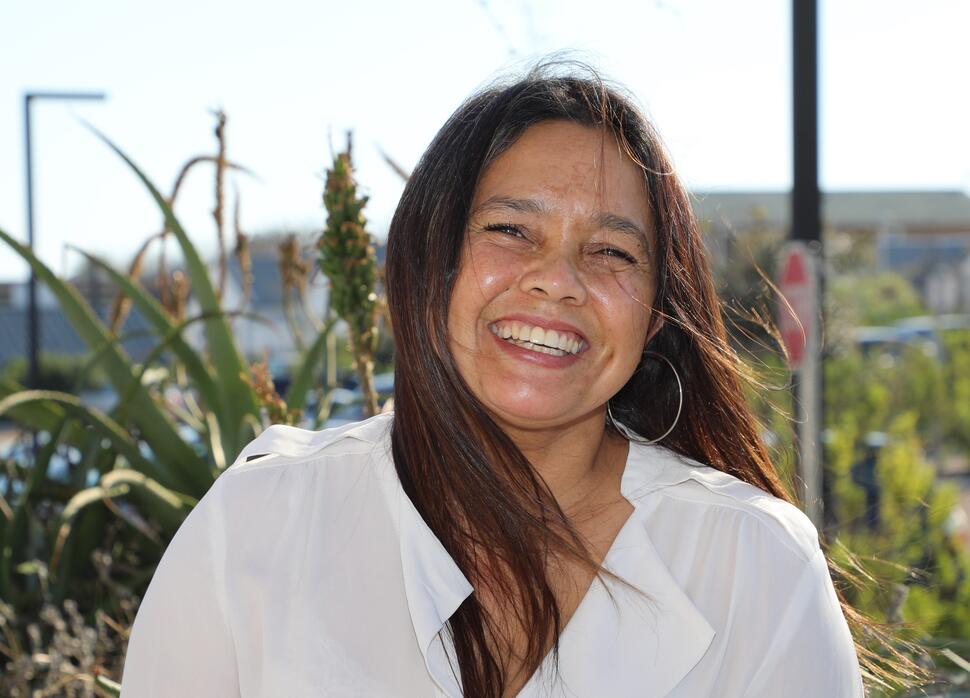
Juanita Arendse, Ph.D. | Juanita O. Arendse, Ph.D., has dedicated 37 years to public service in the Western Cape health system and currently serves as Chief Director: Emergency and Clinical Services Support. She has held several senior leadership roles, contributing significantly to health service strengthening across the province, and is proficient in applying a public health approach to programme implementation and policymaking that considers a whole-of-society approach. Juanita is a Principal Investigator on the Empilisweni Initiative study focusing on advancing implementation for cervical cancer control and has a PhD in Public Health focused on Health Policy Integration and Palliative Care. She holds post graduate qualifications from University of Cape Town, University of the Western Cape and Stellenbosch University. |
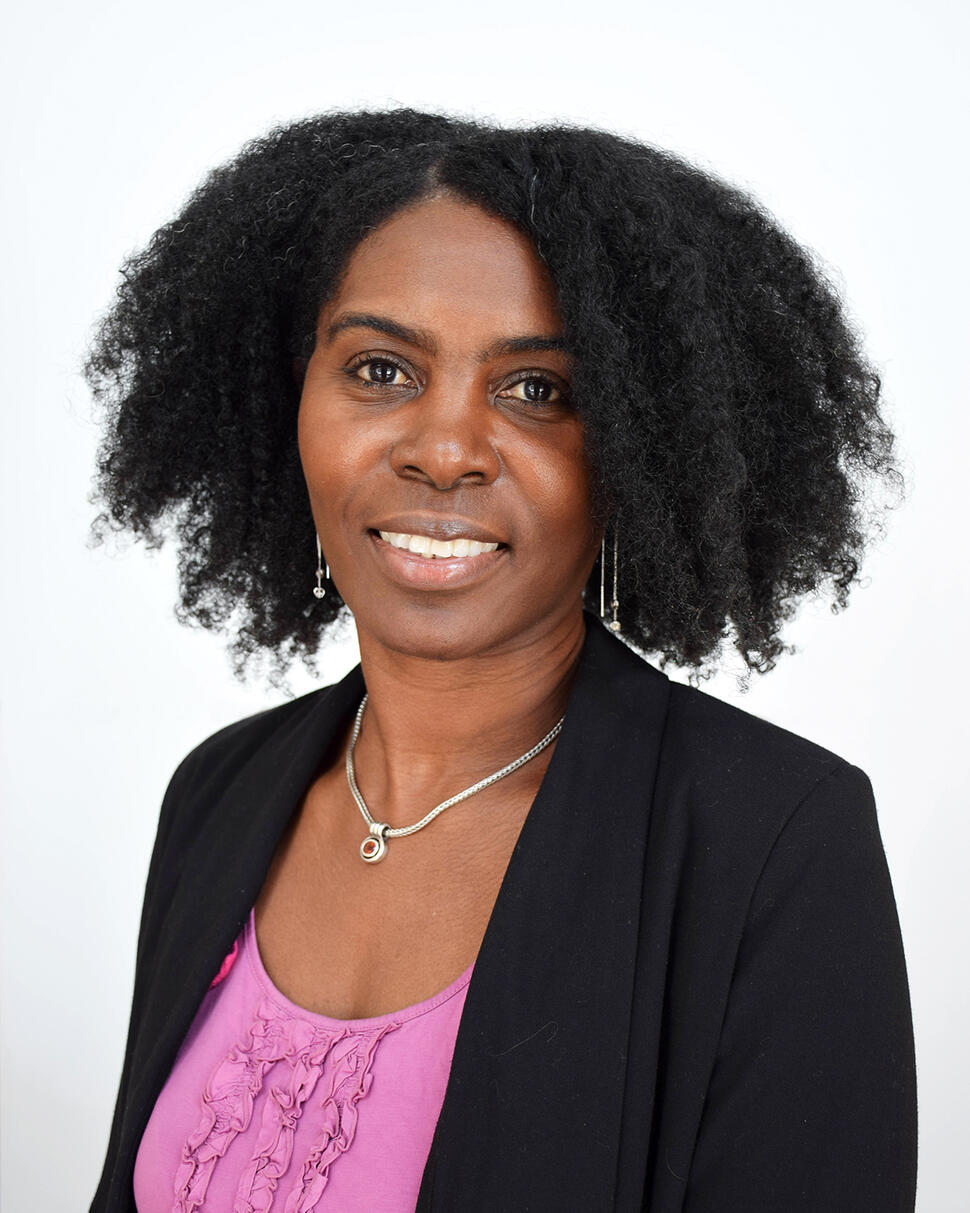
Delivette Castor, PH.D., M.P.H. | Delivette Castor, Ph.D., is an epidemiologist who studies how to introduce, and scale proven infectious disease interventions in public health programs for population-level impact. Her research supports the introduction and scale-up of evidence-based interventions for Human Immunodeficiency virus (HIV), human papillomavirus (HPV), other sexually transmitted infections (STIs), and COVID-19 in women and other population groups. Currently, Dr. Castor is the Avanessian Assistant Professor (in Medicine and Epidemiology) at the Department of Medicine, Division of Infectious Diseases, and the Department of Epidemiology, the Columbia University Medical Center. She is also the Director of the Health Equity in Dissemination and Implementation Sciences section in the Division of Infectious Diseases. Previously, Dr. Castor spent 10 years in the US government PEPFAR/USAID and department of State, where she supported HIV prevention care and treatment services through clinical and implementation research. |
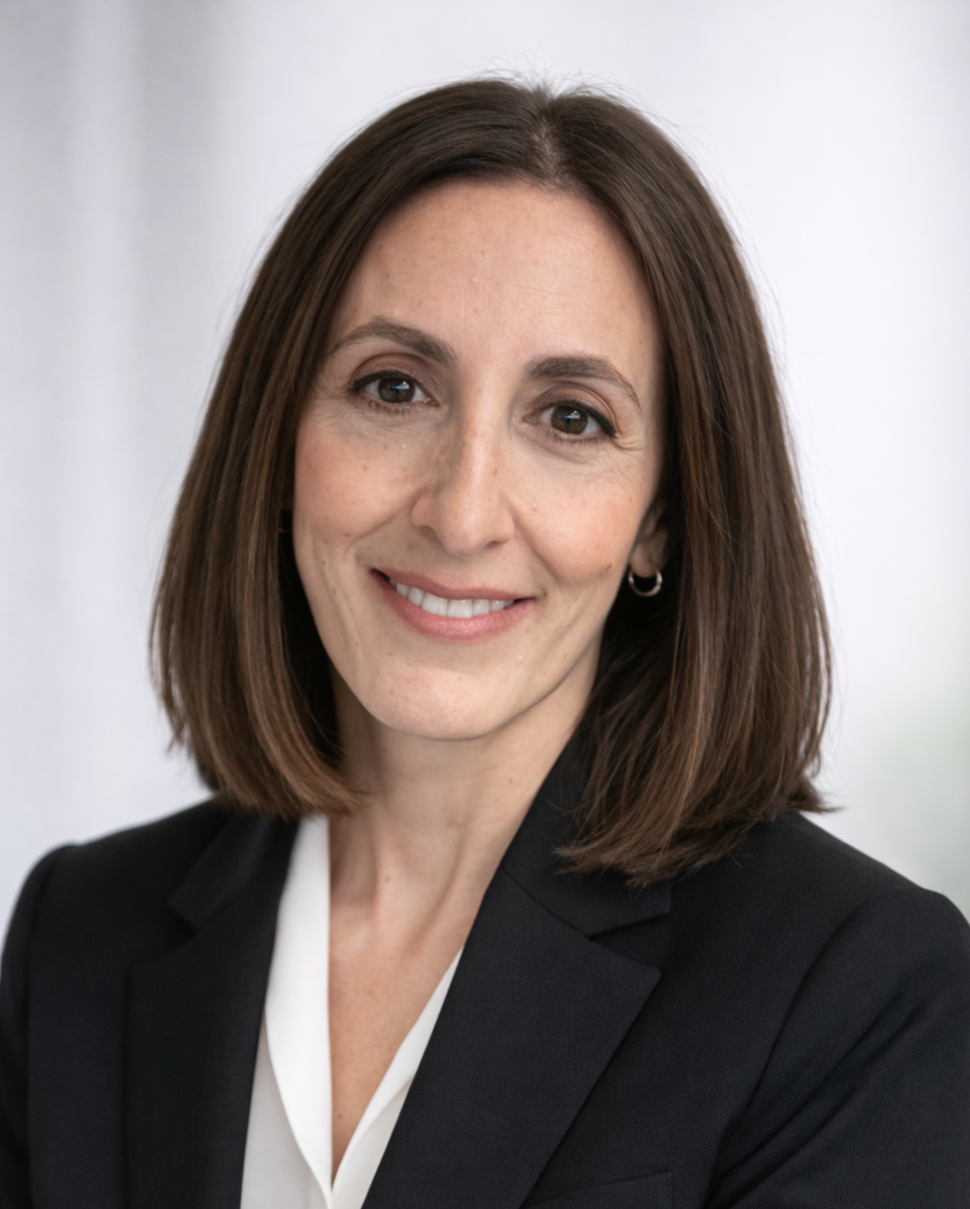
Nina Ghanem, M.Ed. | Nina Ghanem, M.Ed., leads and supports key partnership and dissemination programs and stewards U.S. interagency engagements for the National Cancer Institute’s (NCI) Center for Global Health (CGH). She oversees the Center’s dissemination strategy, guiding the development and delivery of timely, relevant scientific content to stakeholders and audiences across multiple channels. Ms. Ghanem joined NCI in 2001 as a health communications intern working with cancer advocates. She spent 15 years in NCI’s Office of Communications and Public Liaison, where she led the External Relations Branch, supported multicultural and international communications, and provided enterprise-level communications guidance and support. She brings broad experience across communications disciplines and a commitment to connecting people with scientific information to her work at CGH. |
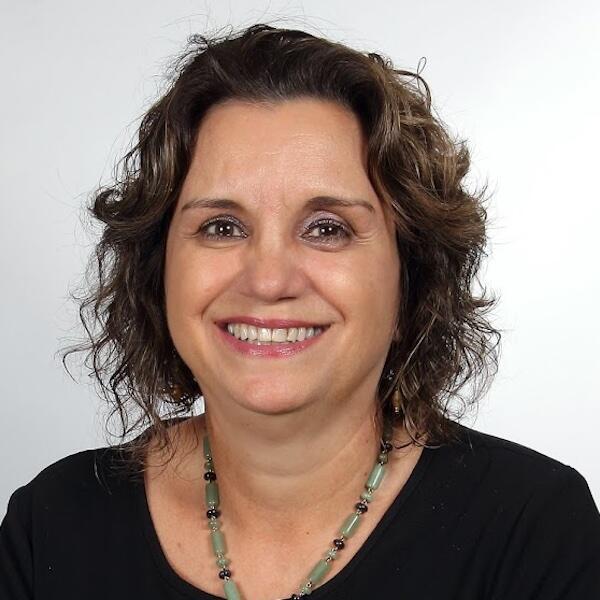
Isabel Scarinci, Ph.D., M.P.H. | Isabel Scarinci, Ph.D., M.P.H., is a Professor in the Department of Obstetrics and Gynecology at the University of Alabama at Birmingham, where she also serves as the Founding Director in the Division for Global and Rural Health and Senior Advisor for Global Cancer at the O’Neal Cancer Center. She has dedicated her career to tobacco control and cervical cancer prevention and control among underserved populations in rural U.S. and low- and middle-income countries through the lens of reciprocal innovation. As a behavioral scientist, she applies behavioral science to public health by promoting population-level behavior change and developing, implementing, and evaluating evidence-based interventions. Once these community-based programs are established, she works to ensure sustainability and/or inform policy changes. One example is a 20-year program to promote breast and cervical cancer screening among Latina immigrants in Alabama that relies 100% on the work of committed volunteers – Sowing the Seeds of Health. She has also been one of the leaders of OPERATION WIPE OUT – a statewide plan to eliminate cervical cancer as a public health problem in Alabama. In 2021, she was chosen as one of six “Champions of Health” worldwide by Rotary International for her work in cervical cancer prevention and control in the U.S. and low- and middle-income countries. |