
Cancer Currents: An NCI Cancer Research Blog
A blog featuring news and research updates from the National Cancer Institute.

-

NCI Director Dr. Kimryn Rathmell reviews some of the most noteworthy cancer research findings from 2024, including advances in immunotherapy for children with cancer, a potential therapy for cachexia, and studies that provided valuable insights into cancer biology.
-

The findings from a recent NCI-supported clinical trial are helpful because previous studies for people with locally advanced head and neck cancer have yielded conflicting data for and against several alternatives to cisplatin combined with radiation.
-

Younger cancer patients who filled out surveys about their symptoms experienced fewer cancer-related symptoms than those who did not complete the surveys, results from two clinical trials have shown. The findings show patient-reported outcome (PRO) surveys for children can give an accurate picture of how a child is feeling during the stress of treatment.
-

In a pair of studies, researchers engineered a probiotic strain of E. coli called Nissle 1917 so it can help the immune system attack tumors. Although the E. coli were altered in different ways, resulting in two different immune-based treatment strategies, both were effective in mice.
-
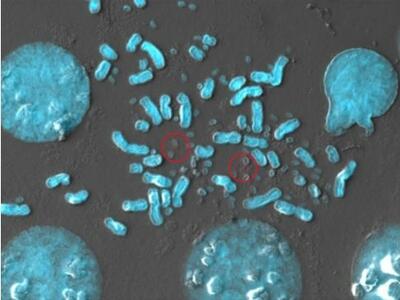
Researchers have found that cancer cells containing extrachromosomal DNAs (ecDNAs) have a weakness that can be exploited by a drug that targets the CHK1 protein. In mice, combining the drug with another targeted therapy kept cancer at bay for long periods.
-

In a trial, men who received stereotactic body radiotherapy (SBRT) didn’t have a higher risk of cancer recurrence than men treated with other common radiation therapy regimens that are given over longer periods.
-

Black people with cancer are much less likely to join clinical trials than White patients. Results from a new study may help explain why and help research staff talk with and recruit more Black participants.
-
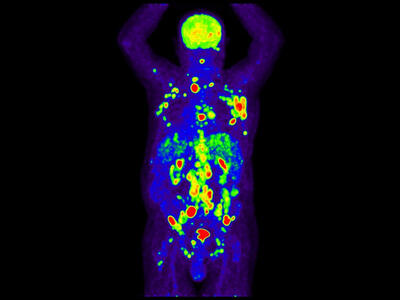
In a nearly 1,000-patient trial, treatment with nivolumab (Opdivo) and the chemotherapy regimen AVD was better at eliminating cancer and keeping it at bay than the current standard initial treatment for the disease, AVD and brentuximab (Adcetris). The nivolumab combination also had fewer side effects.
-
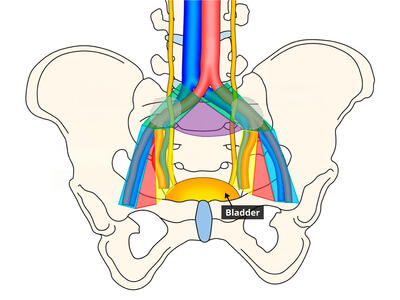
A randomized clinical trial comparing two types of surgery in people with localized muscle-invasive bladder cancer found that more extensive surgery removing a larger group of lymph nodes did not improve survival, compared with standard lymph node surgery.
-

In a study of people with advanced lung cancer, palliative care delivered via telehealth was just as effective at improving patients’ quality of life and other measures of well-being as care delivered in person.