
Childhood Cancer - Cancer Currents Blog
News about childhood cancer research, with context from leading experts. Topics include new treatments, issues facing childhood cancer survivors, and findings on the biology of cancer in children.
-
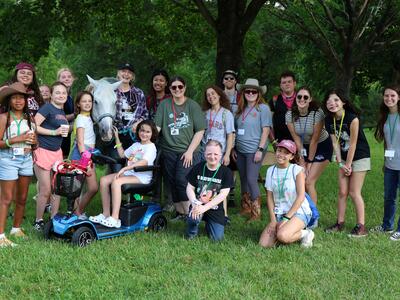
In recognition of Childhood Cancer Awareness Month, NCI's Dr. Brigitte Widemann discusses recent advances in treatment, shared data, artificial intelligence, research participation, and survivorship. She explains why sustained federal investment and partnerships with patients, families, advocates, and researchers are essential to continued progress.
-
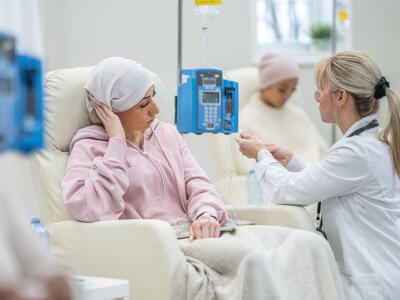
Documented conversations on goals of care are uncommon in AYA patients with advanced cancer. Researchers found that many patients did not have these discussions until the last month of life, and many asked about palliative care.
-
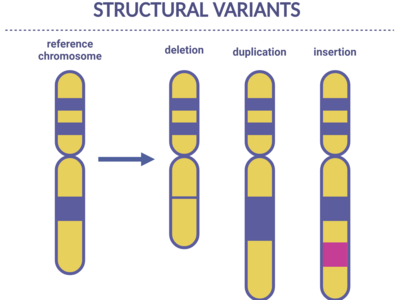
Certain inherited genetic changes are likely involved in the development of some cancers in children, a new study shows. The changes, called structural variants, were linked with a small percentage of children with neuroblastoma, Ewing sarcoma, and osteosarcoma.
-
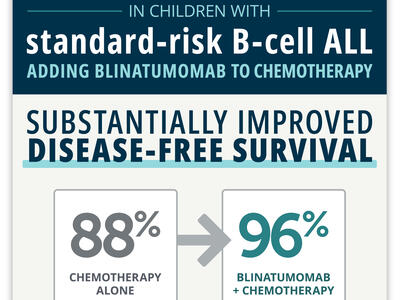
Following positive results from a clinical trial, the immunotherapy drug blinatumomab (Blincyto) is expected to become part of the standard initial treatment for many kids with B-cell acute lymphoblastic leukemia, the most common form of childhood cancer.
-
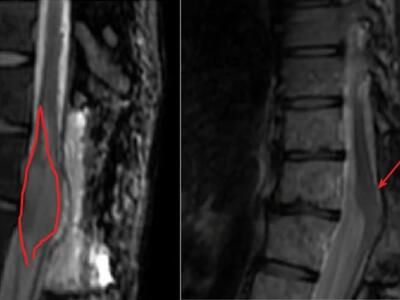
In a small clinical trial, an experimental CAR T-cell therapy that targets the protein GD2 on cancer cells shrank tumors—for 2 years or more in several cases—in children and young adults with diffuse midline glioma, an aggressive brain and spinal cord cancer.
-

Younger cancer patients who filled out surveys about their symptoms experienced fewer cancer-related symptoms than those who did not complete the surveys, results from two clinical trials have shown. The findings show patient-reported outcome (PRO) surveys for children can give an accurate picture of how a child is feeling during the stress of treatment.
-
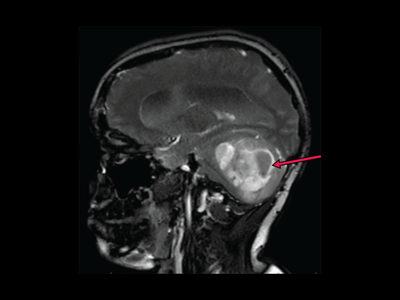
FDA has granted an accelerated approval to tovorafenib (Ojemda) for kids and teens who have low-grade glioma with changes in the BRAF gene. In a small clinical trial, the drug shrank or completely eliminated tumors in nearly 70% of patients.
-
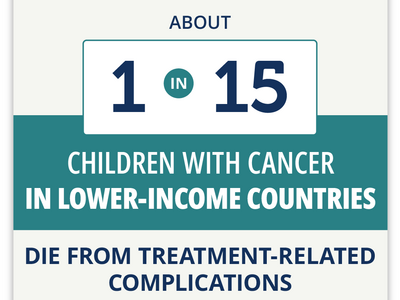
A system for catching treatment-related complications in children with cancer has proven to be highly effective in many Latin American hospitals. An NCI-funded study aims to help make these early warning systems sustainable.
-
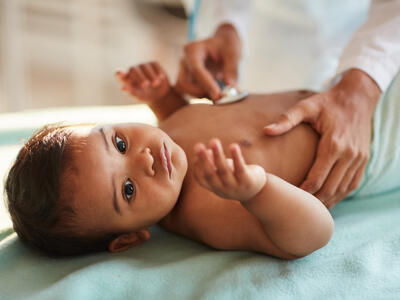
Giving the drug blinatumomab (Blincyto) after standard chemotherapy substantially increased survival for infants with an aggressive form of acute lymphoblastic leukemia (ALL), a recent study showed. If confirmed in larger studies, the treatment may become standard therapy for infants with ALL caused by KMT2A rearrangements.
-

Results from a new study highlight the progress being made toward developing liquid biopsies specifically for use in children with solid cancers like Ewing sarcoma and Wilms tumor. The tests can help detect and diagnose cancer and monitor for response to treatment and recurrence.