
Prognosis - Cancer Currents Blog
Reports on cancer prognosis-related research, including articles on doctor–patient communication and approaches to determine patient prognosis more accurately, among others.
-
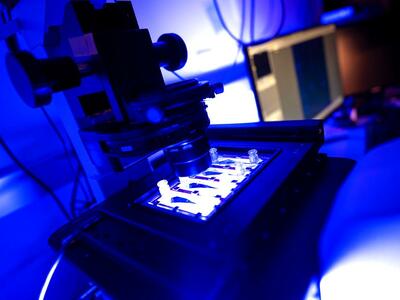
A device that measures the “stickiness” of cancer cells in tumor samples may help predict the likelihood of a patient’s cancer metastasizing. Researchers believe the device could eventually help doctors make more informed treatment choices.
-

An AI-based tool called SCORPIO more accurately predicted whether cancer patients’ tumors would respond to checkpoint inhibitors than currently available tests, a new study found. It also predicted how long patients would live after treatment.
-

Regular imaging tests to monitor the pancreas may help detect pancreatic cancer at an early stage in people who are at high risk, a new study suggests. This type of surveillance could also help improve how long these patients live.
-
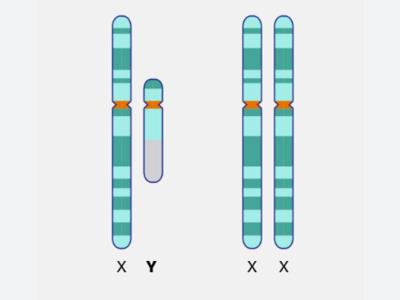
In men, loss of the Y chromosome in bladder cancer cells helped tumors evade the immune system and grow unchecked, a new study shows. However, losing the chromosome also appears to make bladder cancer more susceptible to immunotherapy, researchers reported.
-

Results from a new study highlight the progress being made toward developing liquid biopsies specifically for use in children with solid cancers like Ewing sarcoma and Wilms tumor. The tests can help detect and diagnose cancer and monitor for response to treatment and recurrence.
-
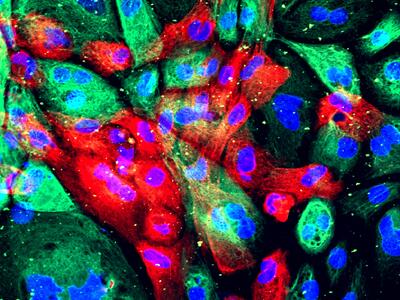
The Decipher genomic test found high-risk prostate cancer even when conventional tests said the tumors were lower risk. This discrepancy appeared to happen more frequently for African-American men.
-
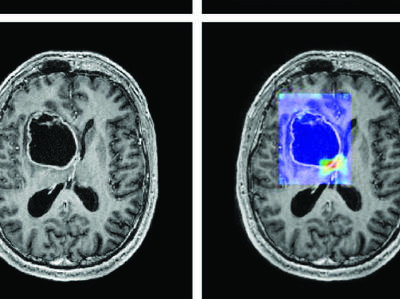
Researchers have been developing artificial intelligence (AI) tools that could make cancer imaging faster, more accurate, and more informative. But there are also questions about whether these tools are ready for doctors’ offices, whether they will actually help people, and whether that benefit will reach all—or only some—patients.
-
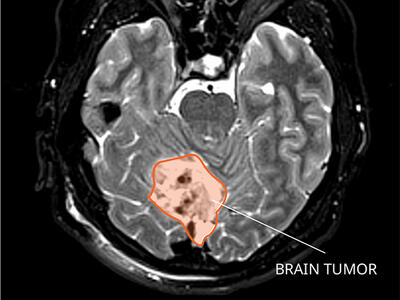
A new test could potentially be used to identify children treated for medulloblastoma who are at high risk of their cancer returning. The test detects evidence of remaining cancer in DNA shed from medulloblastoma tumor cells into cerebrospinal fluid.
-
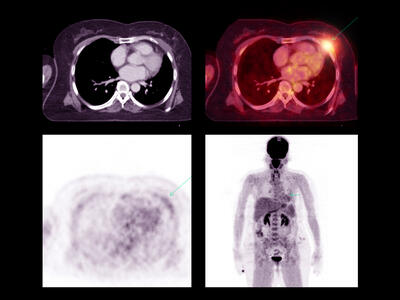
Quitting smoking after a diagnosis of early-stage lung cancer may help people live longer, a new study finds. The study, which included more than 500 patients, also found that quitting smoking delayed the cancer from returning or getting worse.
-

For people with acute myeloid leukemia and related cancers, a new study shows whole-genome sequencing could replace a series of conventional tests used to help guide decisions about treatment.