
Cancer Currents: An NCI Cancer Research Blog
A blog featuring news and research updates from the National Cancer Institute.

-

Fertility preservation for young women with breast cancer doesn’t increase their risk of dying in the ensuing decades, a new study affirmed. Experts said the findings support routinely offering fertility preservation to patients who want it.
-
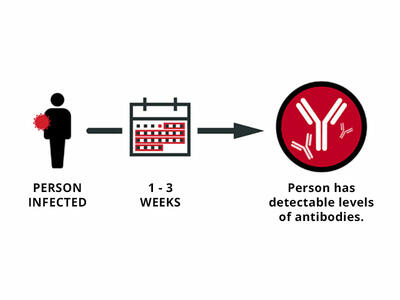
In a study using data from more than 3 million people, NCI researchers have found that people who have antibodies to SARS-CoV-2, the virus that causes COVID-19, appear to have some degree of protection against being reinfected with the virus.
-

For adults with CML who are in a sustained deep molecular remission, stopping treatment with a tyrosine kinase inhibitor is safe and improves their quality of life, a study shows. But researchers cautioned that these patients must be closely monitored.
-
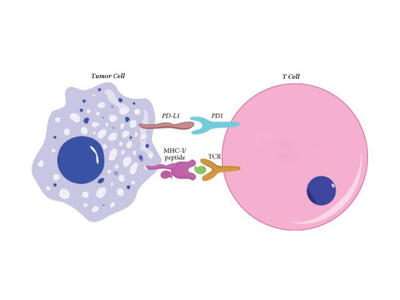
Cholesterol-lowering drugs known as PCSK9 inhibitors may improve the effectiveness of cancer immune checkpoint inhibitors, according to studies in mice. The drugs appear to improve the immunotherapy drugs’ ability to find tumors and slow their growth.
-
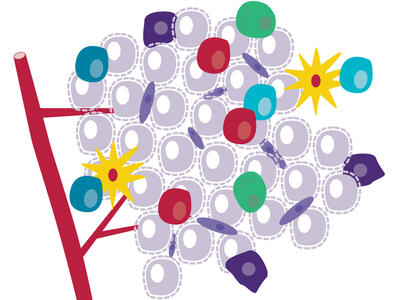
Researchers have developed a nanoparticle that trains immune cells to attack cancer. According to the NCI-funded study, the nanoparticle slowed the growth of melanoma in mice and was more effective when combined with an immune checkpoint inhibitor.
-

FDA has expanded the approved uses of the FoundationOne Liquid CDx blood test, known as a liquid biopsy, that can help doctors pick specific treatments for some people with cancer. When used in this way, the test is known as a companion diagnostic.
-
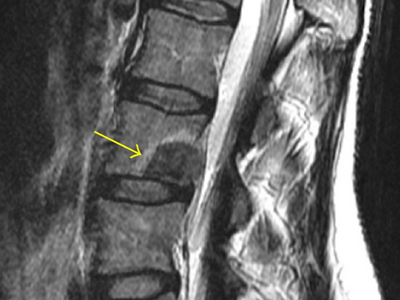
For some patients with painful spinal metastases from advanced cancer, a type of precise, high-dose radiation therapy—called stereotactic body radiation therapy (SBRT)—may be a highly effective way to relieve that pain, clinical trial results show.
-

People who live in counties in the United States with persistent poverty are more likely to die from cancer than people in other counties, a new study shows, highlighting the influence of social and structural factors on health.
-

People with cancer find significant value in having access to electronic clinical notes from their doctor visits, a new study shows. Expanded access to these “open notes” will soon be required under the 21st Century Cures Act.
-
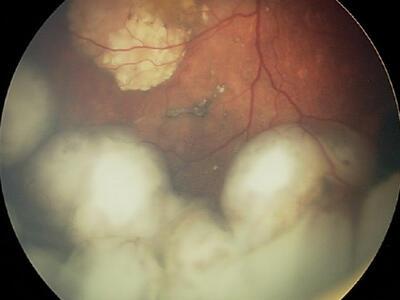
For children with the eye cancer retinoblastoma, researchers are studying a CAR T-cell therapy in which the engineered immune cells are packaged in a biodegradable material called a hydrogel and then injected directly into tumors.