
Cancer Currents: An NCI Cancer Research Blog
A blog featuring news and research updates from the National Cancer Institute.

-

Some women with endometrial cancer may be able to receive less intensive treatment, chemotherapy and no radiation, without increasing their risk of the disease recurring within 5 years, according to the results of a randomized clinical trial.
-

Did you know that NCI supports clinical trials of new treatments for pet dogs with cancer? Learn more about NCI’s comparative oncology studies and how they may also help people with cancer.
-

NCI periodically provides updates on new websites and other online content of interest to the cancer community. See selected content that has been added as of July 2019.
-
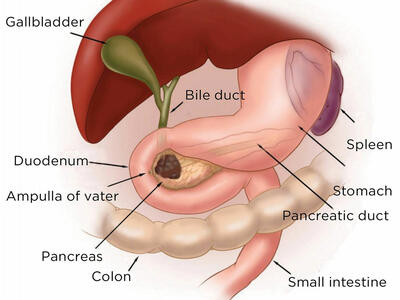
Olaparib (Lynparza) may be beneficial for some people with advanced pancreatic cancer who have inherited mutations in the BRCA1 or BRCA2 genes, according to results from the POLO trial.
-
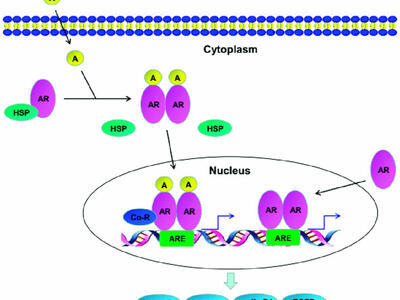
In two large clinical trials, the drugs enzalutamide (Xtandi) and apalutamide (Erleada), respectively, combined with the androgen deprivation therapy, improved the survival of men with metastatic prostate cancer that still responds to hormone-suppressing therapies.
-
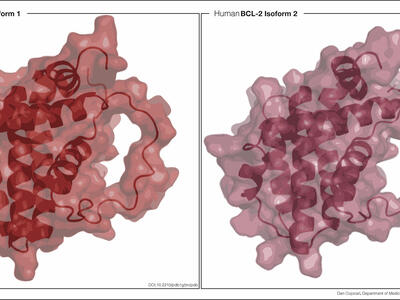
The Food and Drug Administration has approved venetoclax (Venclexta) in combination with obinutuzumab (Gazyva) for the initial treatment of adults with chronic lymphocytic leukemia or small lymphocytic lymphoma.
-
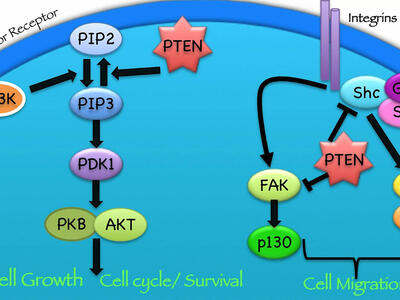
Researchers have discovered a potential way to turn on one of the most commonly silenced tumor-suppressor proteins in cancer, called PTEN. They also found a natural compound, I3C, that in lab studies could flip the on switch.
-

NCI is laying the groundwork to develop the Childhood Cancer Data Initiative (CCDI). NCI Acting Director Douglas Lowy, M.D., explains why an initiative with a focus on data sharing is essential to accelerating progress against childhood cancer.
-
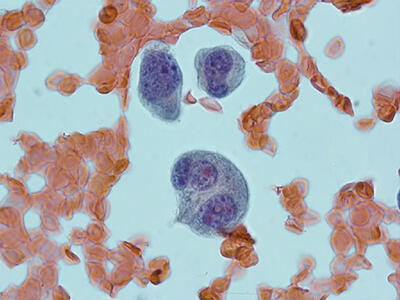
The drug lenalidomide (Revlimid) may delay the progression of smoldering myeloma to multiple myeloma, according to preliminary results from a clinical trial.
-
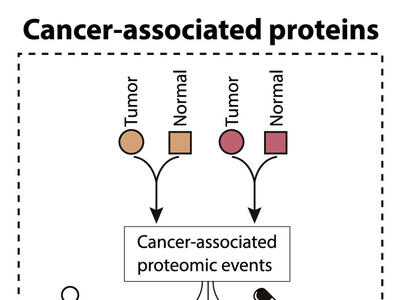
Using novel proteogenomic techniques, scientists from NCI’s Clinical Proteomic Tumor Analysis Consortium have uncovered new features of colon cancer that may guide new treatment strategies.