
Cancer Currents: An NCI Cancer Research Blog
A blog featuring news and research updates from the National Cancer Institute.

-

In a study in young monkeys, researchers showed that a technique using stored testicular tissue led to successful conception. Researchers are hopeful the approach could eventually be a fertility preservation option for young boys being treated for cancer.
-
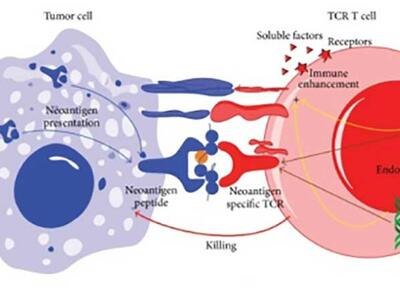
Findings from an NCI-funded study suggest a new vaccine approach may have the potential to prevent colorectal cancer in people with Lynch syndrome, an inherited condition that increases an individual's risk for developing certain types of cancer.
-

Doug Lowy, M.D., a long-time researcher and deputy director at NCI, addresses the cancer community as the institute's acting director, a position he previously held for more than 2 years.
-

Many women diagnosed with ovarian and breast cancer are not undergoing tests for inherited genetic mutations that can provide important information to help guide decisions about treatment and longer-term cancer screening, a new study has found.
-
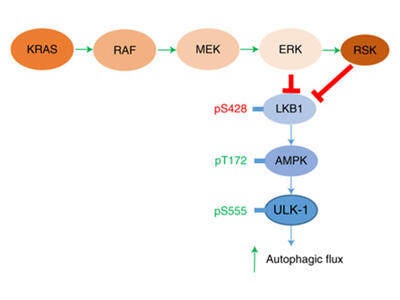
Three research groups have found a potential way to kill cancer cells in pancreatic tumors by simultaneously blocking the activity of proteins that interact with KRAS proteins and disrupting an energy-creating process called autophagy.
-
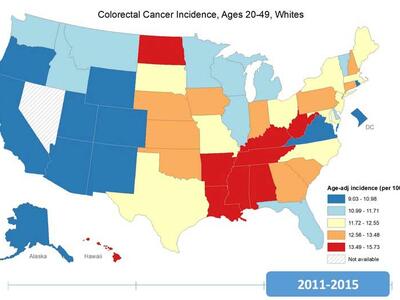
NCI periodically provides updates on new websites and other online content of interest to the cancer community. See selected content that has been added as of March 2019.
-
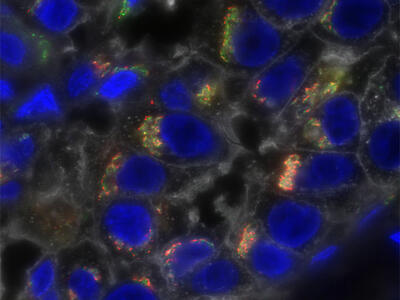
FDA has approved atezolizumab (Tecentriq) in combination with chemotherapy for the treatment of some women with advanced triple-negative breast cancer. This is the first FDA-approved regimen for breast cancer to include immunotherapy.
-
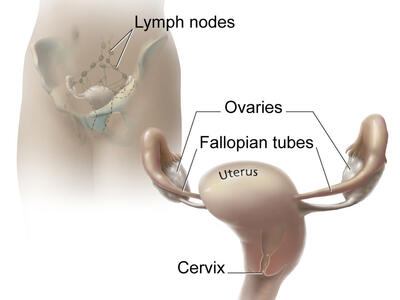
Surgery to remove all the lymph nodes in the area around an advanced ovarian tumor did not improve survival in a recent randomized clinical trial. The study also found systematic lymphadenectomy was associated with more frequent serious complications.
-
NCI has launched an ambitious initiative, called the NCI Program for Natural Products Discovery (NPNPD) and funded by the Cancer Moonshot℠, to make it easier for researchers to mine nature for leads on new cancer drugs.
-
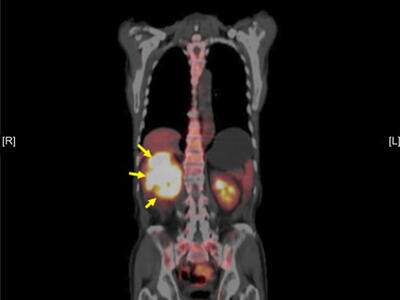
In two clinical trials, combination treatments that included an immune checkpoint inhibitor and axitinib (Inlyta) led to better outcomes for patients with advanced kidney cancer than treatment with sunitinib (Sutent), the standard initial therapy.