
Cancer Currents: An NCI Cancer Research Blog
A blog featuring news and research updates from the National Cancer Institute.

-

Clinical recommendations on who should be screened for lung cancer may need to be reviewed when it comes to African Americans who smoke, findings from a new study suggest.
-
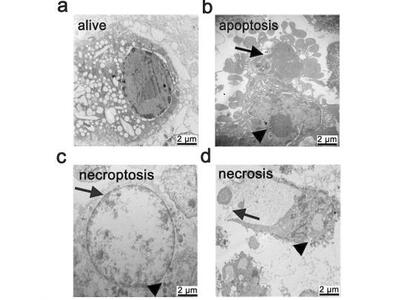
Injecting cells undergoing necroptosis, a form of cell death, into tumors in mice kickstarted an immune response against the tumors, researchers have found. When combined with immunotherapy, the treatment was effective at eliminating tumors in mice.
-

Researchers have developed a device that uses lasers and sound waves to scan circulating blood for melanoma cells. In a small study, the device accurately detected and reduced the amount of cancer cells in participants’ blood.
-
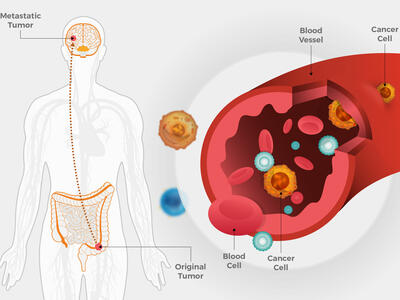
Many colorectal cancers likely have spread long before the original tumor is detected, researchers have found. The findings suggest the need for very early detection and could help identify patients who need more aggressive systemic treatments.
-

Researchers have identified proteins that may play a central role in transforming T cells from powerful destroyers to depleted bystanders that can no longer harm cancer cells. The findings could lead to strategies for boosting cancer immunotherapies.
-

Some women with endometrial cancer may be able to receive less intensive treatment, chemotherapy and no radiation, without increasing their risk of the disease recurring within 5 years, according to the results of a randomized clinical trial.
-

Did you know that NCI supports clinical trials of new treatments for pet dogs with cancer? Learn more about NCI’s comparative oncology studies and how they may also help people with cancer.
-

NCI periodically provides updates on new websites and other online content of interest to the cancer community. See selected content that has been added as of July 2019.
-

Olaparib (Lynparza) may be beneficial for some people with advanced pancreatic cancer who have inherited mutations in the BRCA1 or BRCA2 genes, according to results from the POLO trial.
-
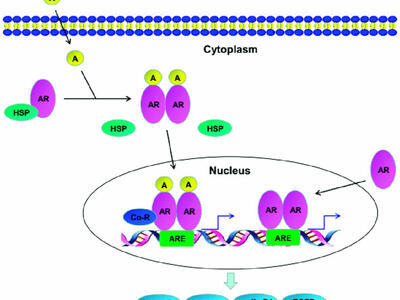
In two large clinical trials, the drugs enzalutamide (Xtandi) and apalutamide (Erleada), respectively, combined with the androgen deprivation therapy, improved the survival of men with metastatic prostate cancer that still responds to hormone-suppressing therapies.