
Cancer Currents: An NCI Cancer Research Blog
A blog featuring news and research updates from the National Cancer Institute.

-
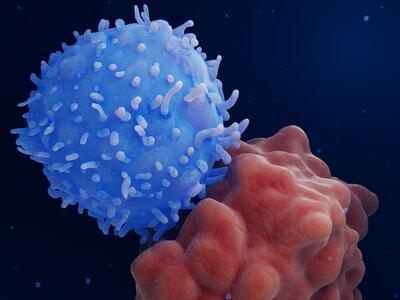
In late 2023, FDA announced it was investigating instances of second cancers following treatment with CAR T-cell therapies. In this Q&A, NCI’s Dr. Stephanie Goff explains what’s known about the issue, stressing that second cancers “of any kind are rare.”
-
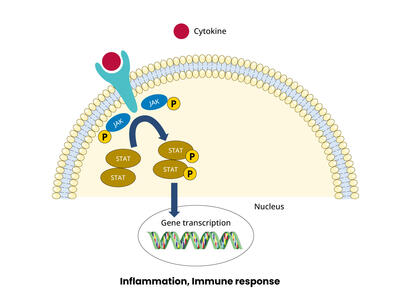
Scientists have been searching for ways to make immune checkpoint inhibitors work for more patients. In two trials, researchers explored a possible role for JAK inhibitors, which dampen chronic inflammation.
-

People with advanced endometrial cancer now have new FDA-approved treatment options: pembrolizumab and durvalumab, paired with chemotherapy, for tumors with a genetic change called mismatch repair deficiency. The agency also expanded the approved uses of dostarlimab for the disease.
-

Regular imaging tests to monitor the pancreas may help detect pancreatic cancer at an early stage in people who are at high risk, a new study suggests. This type of surveillance could also help improve how long these patients live.
-

The expanded approval of two HPV tests allows the patient to collect a vaginal sample themselves in a health care setting, rather than a health provider collecting a sample during a pelvic exam. The availability of a self-collection option in health care settings could help widen access to cervical cancer screening.
-

While treating people’s health-related social needs has always been a part of health care in one form or other, cancer centers and community cancer clinics increasingly are viewing the people they treat through a social lens and addressing social needs—including transportation, food, and housing—as part of patient care.
-
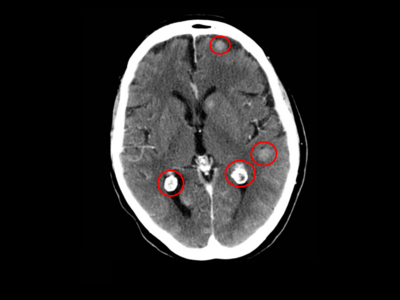
Lorlatinib (Lorbrena) is superior to crizotinib (Xalkori) as an initial treatment for people with ALK-positive advanced non-small cell lung cancer, according to new clinical trial results. Treatment with lorlatinib also helped prevent new brain metastases.
-
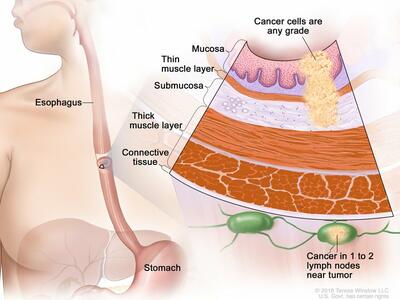
For people with locally advanced esophageal cancer, a chemotherapy regimen called FLOT is the preferred treatment, according to results from a large clinical trial. People treated with FLOT lived much longer than those treated with the CROSS regimen.
-

A program in Texas helped minority and medically underserved cancer survivors get much more physical activity, according to a new study. Participants also reported improved physical functioning and quality of life.
-
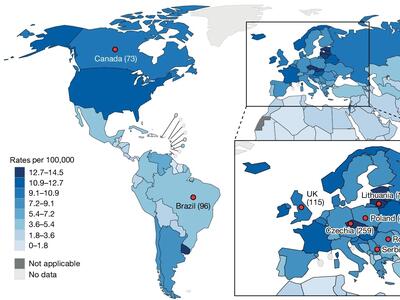
By analyzing patterns of DNA mutations in kidney cancers from people around the world, researchers have discovered new clues about possible causes of the disease. Identifying these mutational signatures might lead to strategies for preventing kidney cancer.