
Cancer Currents: An NCI Cancer Research Blog
A blog featuring news and research updates from the National Cancer Institute.

-
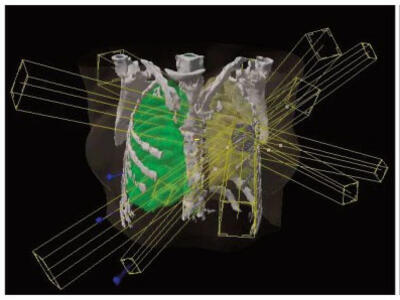
People with oligometastatic cancer have only a few metastatic tumors. Researchers are studying whether treating these individual tumors directly with surgery or stereotactic body radiation therapy (SBTR or SABR) can help patients live longer or improve their quality of life.
-
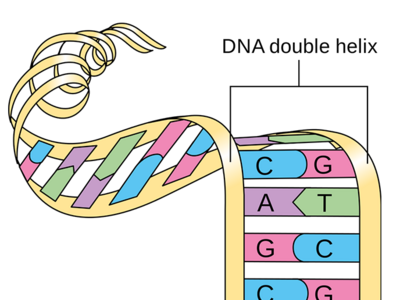
Cancer cells with a genetic feature called microsatellite instability-high (MSI-high) depend on the enzyme WRN to survive. A new NCI study explains why and reinforces the idea of targeting WRN as a treatment approach for MSI-high cancer.
-
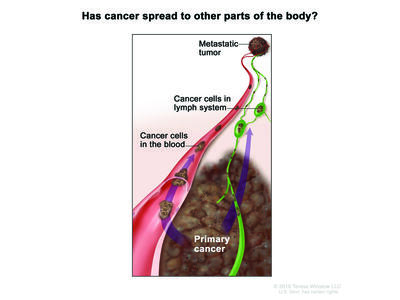
Melanoma cells that pass through the lymphatic system before entering the bloodstream are more resistant to cell death and spread more readily than cells that enter the bloodstream directly. The finding could lead to new treatment approaches.
-

Dr. Satish Gopal, director of NCI’s Center for Global Health, discusses opportunities for making progress against cancer worldwide, particulary in low- and middle-income countries, many of which are seeing increasing cancer incidence and deaths.
-

Updated cervical cancer screening guidelines from the American Cancer Society recommend HPV testing as the preferred approach. NCI’s Dr. Nicolas Wentzensen explains the changes and how they compare with other cervical cancer screening recommendations.
-

Efforts to contain the opioid epidemic may be preventing people with cancer from receiving appropriate prescriptions for opioids to manage their cancer pain, according to a new study of oncologists’ opioid prescribing patterns.
-

For children and adults with advanced soft tissue sarcoma, adding pazopanib (Votrient) to chemotherapy and radiation before surgery may be a promising treatment option, early results from a clinical trial suggest.
-

Many older adults are being screened for cancer who no longer need to be, a new study shows. Based on a nationwide survey, the study found that at least half of older US adults had received at least one unnecessary cancer screening test in the previous few years.
-
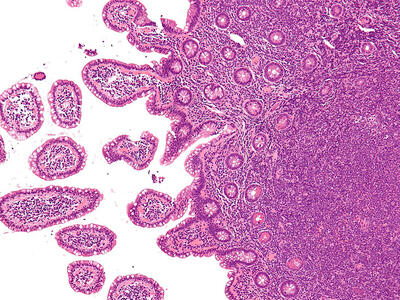
A CAR T-cell therapy called brexucabtagene autoleucel (Tecartus) has been approved by the Food and Drug Administration (FDA) for some patients with mantle cell lymphoma. This is the third CAR T-cell therapy approved by FDA for patients with cancer.
-

Regular use of low-dose aspirin may increase an older person’s risk of being diagnosed with advanced cancer and of dying from cancer, results from the ASPREE clinical trial suggest. Learn more about what this 19,000-participant study found.