
Cancer Currents: An NCI Cancer Research Blog
A blog featuring news and research updates from the National Cancer Institute.

-
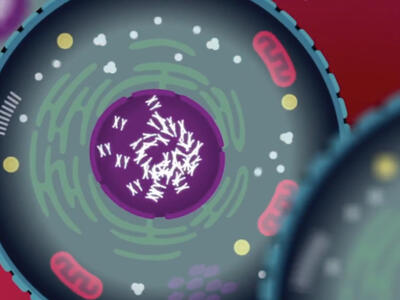
NCI Director Dr. Norman Sharpless discusses efforts between NCI and FDA to advance progress against cancer, including initiatives to improve labeling of patient tumor and tissue samples and to address challenges presented by new tobacco products.
-
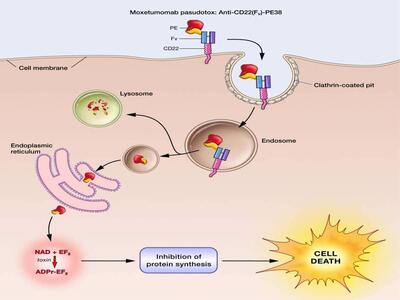
The FDA has approved moxetumomab pasudotox (Lumoxiti), a bacterial toxin–based drug, for the treatment of some patients with hairy cell leukemia (HCL). Moxetumomab is approved to treat patients with HCL who have already undergone at least two lines of standard treatments.
-

The largest-ever study of DNA changes in appendix cancer shows that it is distinct from colorectal and other gastrointestinal cancers and suggests that specific mutations in appendix tumors may help predict whether they may be aggressive.
-

Dr. Supriya Mohile discusses the unique issues experienced by older adults with cancer and efforts to incorporate geriatric assessment into patient care, including the publication of recent ASCO clinical guidelines on geriatric cancer care.
-
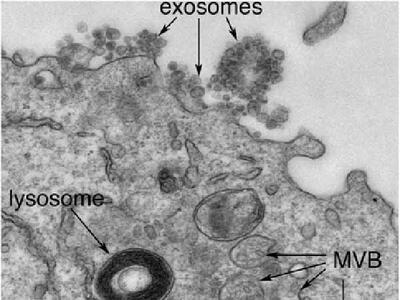
A new study has identified what may be an important and previously unknown route by which tumors evade the immune system: They secrete small membrane-encased sacs, called exosomes, studded with a protein that dials down the immune response.
-
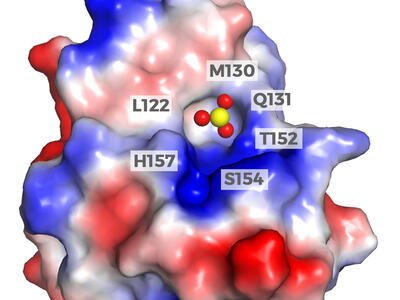
Arsenic trioxide and retinoic acid work together to target the master regulator protein Pin1, a new study shows. In cancer cell lines and mice, the drug combination slowed the growth of triple-negative breast cancer tumors.
-

A new study has found that 90% of postmenopausal women diagnosed with endometrial cancer reported vaginal bleeding before their diagnosis. Approximately 9% of postmenopausal women who saw a doctor for bleeding, the study showed, later received an endometrial cancer diagnosis.
-

NCI’s SEER program is expanding in size and operating a series of innovative pilot studies. As Dr. Lynne Penberthy explains, these studies are setting the stage for the routine collection of more clinical and genomic data that will help researchers better understand cancer and its impact.
-
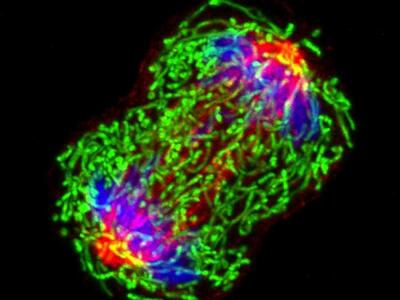
FDA has expanded the approved uses of ribociclib (Kisqali) for women with advanced breast cancer, including new uses in pre- and postmenopausal women. It’s the first approval under a new FDA program to speed the review of cancer drugs.
-
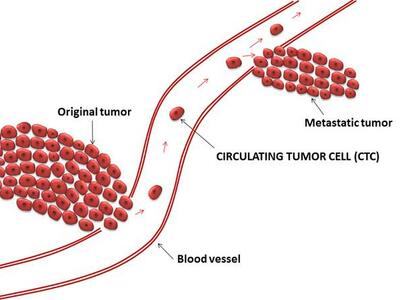
Using a liquid biopsy to test for tumor cells circulating in blood, researchers found that, in women with breast cancer, the presence of these cells could identify women at risk of their cancer returning years later.