
Cancer Currents: An NCI Cancer Research Blog
A blog featuring news and research updates from the National Cancer Institute.

-

Findings from a new study show testing for two biomarkers in urine may help some men avoid an unnecessary biopsy to detect a suspected prostate cancer.
-

A shorter course of chemotherapy following surgery may be preferred to longer treatment for some patients with colon cancer, results of an international collaborative study suggest.
-
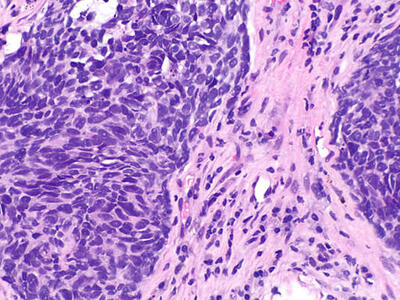
FDA approved the immune checkpoint inhibitor pembrolizumab to be used with chemotherapy as a first-line treatment for non-small cell lung cancer.
-
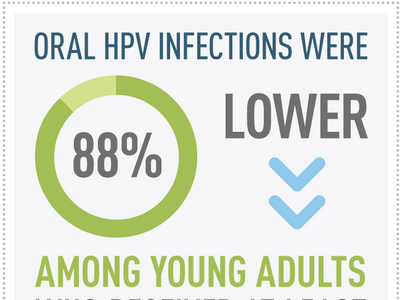
A study of more than 2,600 young adults found that the prevalence of oral infection with four HPV types, including two cancer-causing types, was 88% lower in those who reported receiving at least one dose of an HPV vaccine than in those not vaccinated.
-
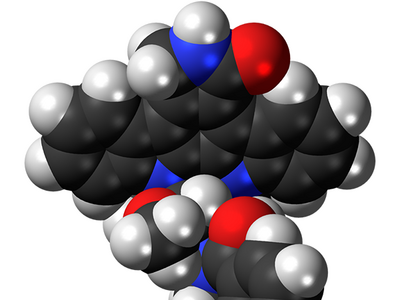
The FDA has approved midostaurin for patients with newly diagnosed acute myeloid leukemia (AML) with mutations in the FLT3 gene. The approval also covers several rare conditions.
-

Researchers at Memorial Sloan Kettering Cancer Center have reported the results of an initiative to characterize the genetic mutations in tumors from more than 10,000 patients with advanced cancer treated at the center.
-
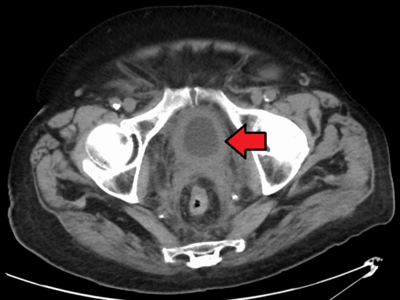
The FDA has approved four immunotherapy drugs—avelumab, atezolizumab, durvalumab, and pembrolizumab—for the treatment of patients with bladder cancer. All four drugs belong to a class of cancer therapies known as checkpoint inhibitors.
-
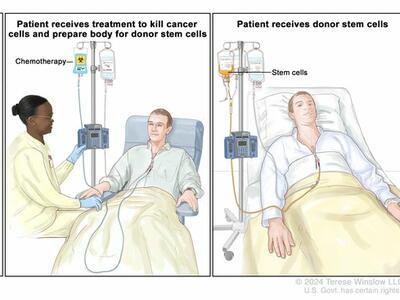
Results from a large phase III clinical trial suggest that a highly intensive preparatory regimen should be used for younger patients with acute myeloid leukemia or myelodysplastic syndromes preparing to undergo an allogeneic stem cell transplant.
-
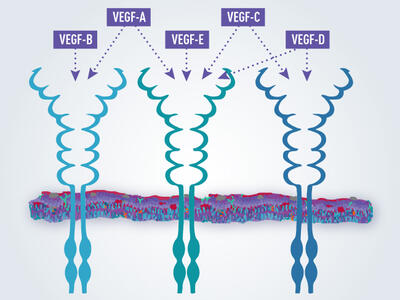
FDA approved the kinase inhibitor regorafenib for some patients with hepatocellular carcinoma, the most common form of liver cancer.
-
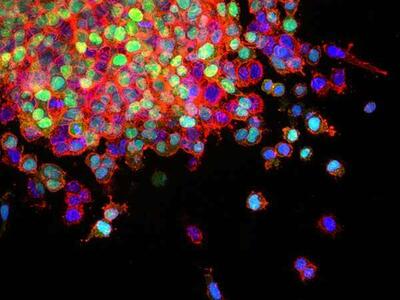
On April 28, the FDA granted accelerated approval to the targeted therapy brigatinib (Alunbrig™) for patients with metastatic non-small cell lung cancer (NSCLC) and alterations in the ALK gene whose cancer has progressed during their initial therapy.