
Cancer Currents: An NCI Cancer Research Blog
A blog featuring news and research updates from the National Cancer Institute.

-
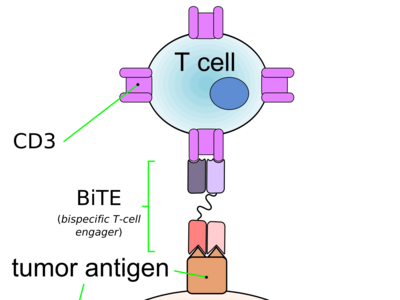
Patients with previously treated acute lymphoblastic leukemia who received blinatumomab, which encourages the immune system to kill cancer cells, lived longer and experienced fewer side effects than patients given standard chemotherapy.
-

Findings from a new study in mice suggest that a class of targeted cancer drugs may have another use in some younger women being treated for cancer: preserving their fertility.
-

Drs. Philip Rosenberg and William Anderson of NCI discuss a recent study on which they were coauthors that reported an increase in colorectal cancer incidence among adults under age 50 in the United States.
-
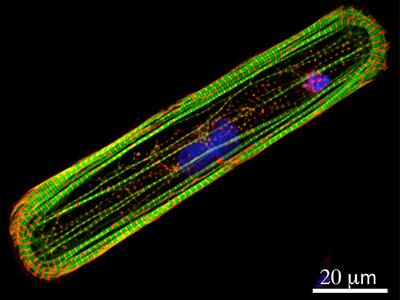
Researchers have used adult stem cells to create a tool for ranking how toxic a group of cancer drugs, called tyrosine kinase inhibitors, are to human heart cells. Such a test could potentially identify toxic side effects earlier in the drug development process.
-
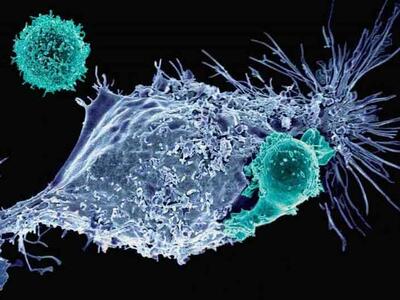
Using a new tool for editing genomes, known as CRISPR, researchers have genetically engineered immune cells and improved the ability of these cells to kill cancer cells in mice.
-
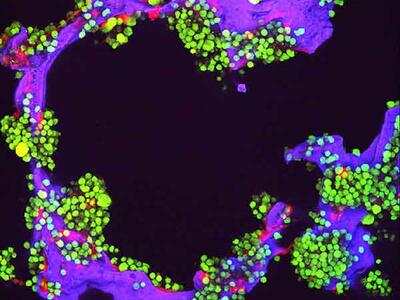
The FDA has approved lenalidomide for use as a maintenance therapy in patients with multiple myeloma who have undergone an autologous stem cell transplant, to help keep the cancer from coming back.
-
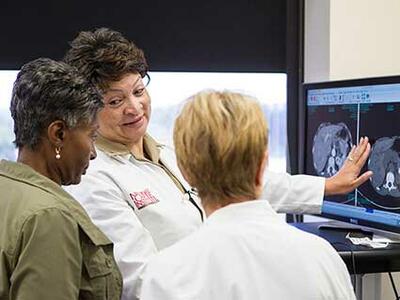
NCI’s Dr. Paul Jacobsen discusses NCI’s Healthcare Delivery Research Program and its role in advancing innovative research to improve the delivery of cancer care.
-
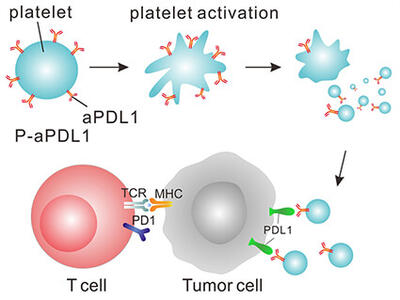
In experiments in mice, researchers show platelets linked to an immunotherapy drug can help eliminate residual cancer cells that remain after surgery. The engineered platelets may also prevent leftover cancer cells from spreading.
-
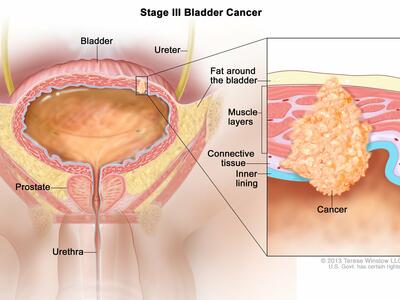
The FDA has approved nivolumab for the treatment of unresectable locally advanced or metastatic bladder cancer that worsened after treatment with platinum-based chemotherapy.
-
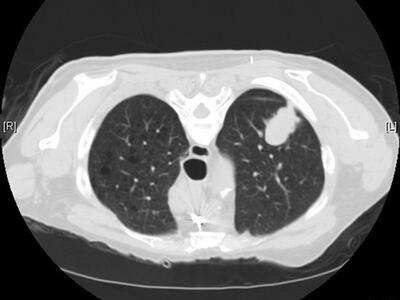
A demonstration project by the Veterans Health Administration is highlighting some of the complexities and challenges associated with the expansion of lung cancer screening in the United States.