
Cancer Currents: An NCI Cancer Research Blog
A blog featuring news and research updates from the National Cancer Institute.

-
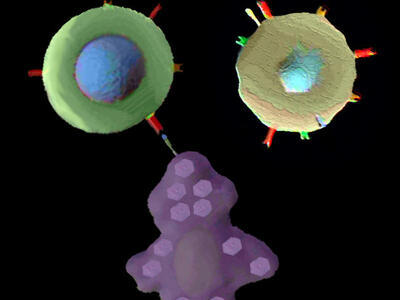
Obesity changed the relationship between cancer cells and nearby immune cells in ways that helped tumors survive and grow, a study in mice showed. But altering tumor cell metabolism helped immune cells once again recognize and infiltrate tumors.
-
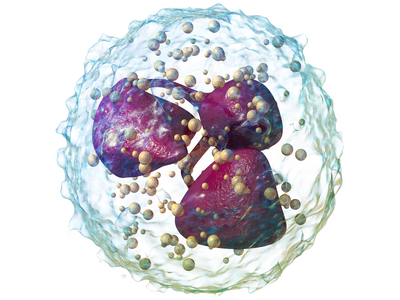
Cancer cells that are leftover after treatment can go into a “dormant” state for years. A new study in mice suggests that stress hormones may trigger a chain reaction that wakes up dormant cancer cells, causing tumors to form again.
-
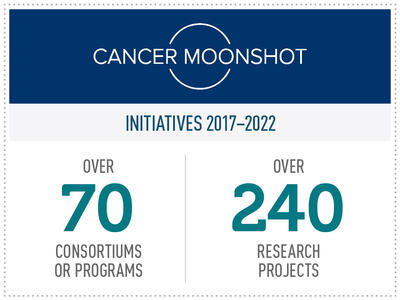
With the Cancer Moonshot having reached its midway point, NCI Director Dr. Ned Sharpless and Deputy Director Dr. Dinah Singer provide a report on the progress to date and future directions for this ambitious initiative to accelerate progress against cancer.
-
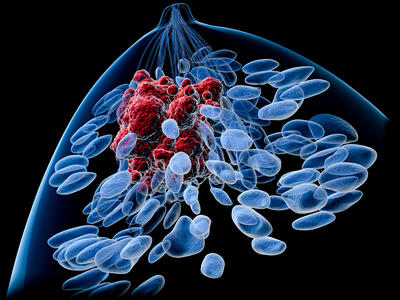
The drug abemaciclib (Verzenio) may be a new treatment option for people with the most common type of breast cancer, with new study findings suggesting that it can reduce the risk of the cancer returning.
-
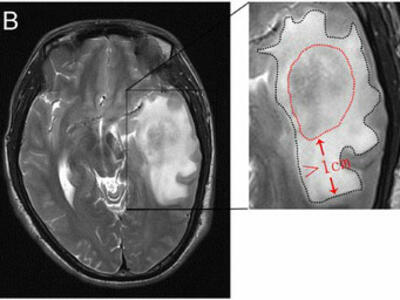
In people with glioblastoma and other brain cancers, steroids appear to limit the effectiveness of immunotherapy drugs, a new study shows. The findings should influence how steroids are used to manage brain tumor symptoms, researchers said.
-

Fertility preservation for young women with breast cancer doesn’t increase their risk of dying in the ensuing decades, a new study affirmed. Experts said the findings support routinely offering fertility preservation to patients who want it.
-
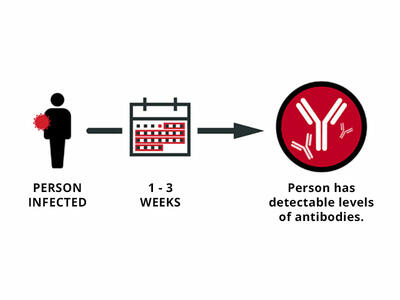
In a study using data from more than 3 million people, NCI researchers have found that people who have antibodies to SARS-CoV-2, the virus that causes COVID-19, appear to have some degree of protection against being reinfected with the virus.
-

For adults with CML who are in a sustained deep molecular remission, stopping treatment with a tyrosine kinase inhibitor is safe and improves their quality of life, a study shows. But researchers cautioned that these patients must be closely monitored.
-
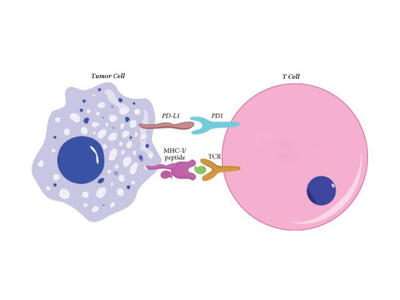
Cholesterol-lowering drugs known as PCSK9 inhibitors may improve the effectiveness of cancer immune checkpoint inhibitors, according to studies in mice. The drugs appear to improve the immunotherapy drugs’ ability to find tumors and slow their growth.
-

Researchers have developed a nanoparticle that trains immune cells to attack cancer. According to the NCI-funded study, the nanoparticle slowed the growth of melanoma in mice and was more effective when combined with an immune checkpoint inhibitor.