
Cancer Currents: An NCI Cancer Research Blog
A blog featuring news and research updates from the National Cancer Institute.

-
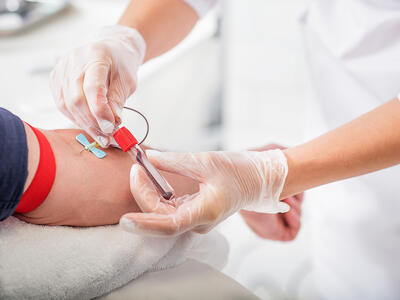
FDA has expanded the approved uses of the FoundationOne Liquid CDx blood test, known as a liquid biopsy, that can help doctors pick specific treatments for some people with cancer. When used in this way, the test is known as a companion diagnostic.
-
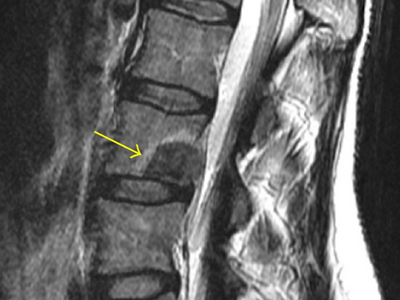
For some patients with painful spinal metastases from advanced cancer, a type of precise, high-dose radiation therapy—called stereotactic body radiation therapy (SBRT)—may be a highly effective way to relieve that pain, clinical trial results show.
-

People who live in counties in the United States with persistent poverty are more likely to die from cancer than people in other counties, a new study shows, highlighting the influence of social and structural factors on health.
-

People with cancer find significant value in having access to electronic clinical notes from their doctor visits, a new study shows. Expanded access to these “open notes” will soon be required under the 21st Century Cures Act.
-
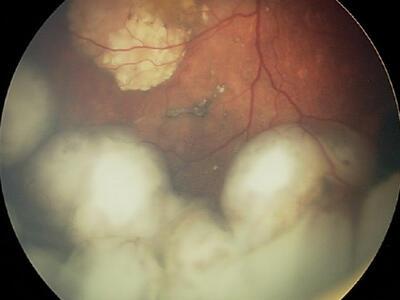
For children with the eye cancer retinoblastoma, researchers are studying a CAR T-cell therapy in which the engineered immune cells are packaged in a biodegradable material called a hydrogel and then injected directly into tumors.
-

The age at which people tend to start smoking has shifted upwards, with more young adults than teens trying smoking for the first time or becoming regular smokers, according to a new study.
-
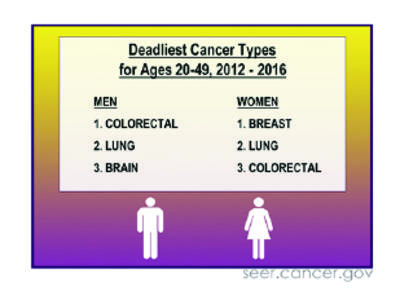
Diagnoses of colorectal cancer continue to increase in younger adults. In September 2020, more than 400 leading scientists and patient advocates participated in an NCI/NIEHS-sponsored symposium to identify research priorities that address important questions about this concerning trend.
-
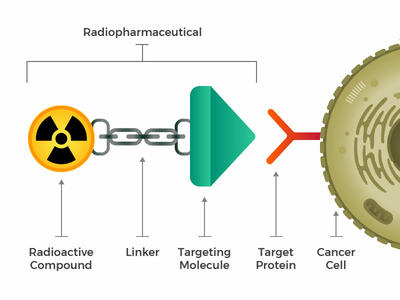
Researchers are developing a new class of cancer drugs called radiopharmaceuticals, which deliver radiation therapy directly and specifically to cancer cells. This Cancer Currents story explores the research on these emerging therapies.
-
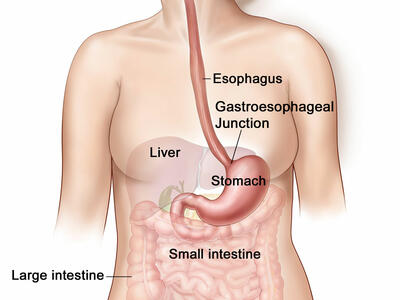
For some people with advanced stomach cancer, the drug nivolumab (Opdivo) plus chemotherapy may improve how long they live, results from a large clinical trial show. The trial also included patients with gastric cancers that involve the esophagus.
-
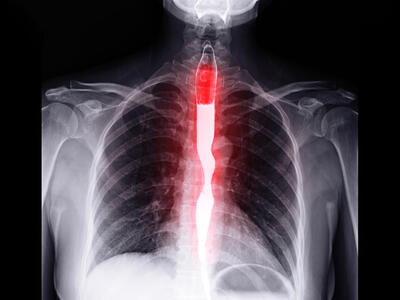
For some people with advanced esophageal cancer, the immunotherapy drugs pembrolizumab (Keytruda) and nivolumab (Opdivo) may become part of early treatment for the disease, according to results from two large clinical trials.