
Cancer Currents: An NCI Cancer Research Blog
A blog featuring news and research updates from the National Cancer Institute.

-

Two rediscovered drugs, bisantrene and brequinar, slowed the growth of acute myeloid leukemia in studies of mice. The drugs blocked the activity of a protein called FTO, killing cancer stem cells and helping the immune system attack the cancer.
-

Three recently launched NCI-supported studies could help researchers better understand the causes of racial/ethnic disparities in ovarian cancer. The ultimate goal is to eliminate disparities and improve survival for all women with the disease.
-

Since launching the Childhood Cancer Data Initiative, NCI has undertaken a range of research activities to support this important effort. In this Cancer Currents post, NCI Director Dr. Norman Sharpless provides an update on these efforts.
-

In a study of more than 50,000 veterans with lung cancer, those with mental illness who received mental health treatment—including for substance use—lived substantially longer than those who didn’t participate in such programs.
-
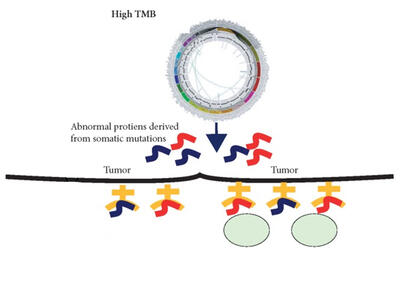
FDA’s approval of pembrolizumab (Keytruda) to treat people whose cancer is tumor mutational burden-high highlights the importance of genomic testing to guide treatment, including for children with cancer, according to NCI Director Dr. Ned Sharpless.
-
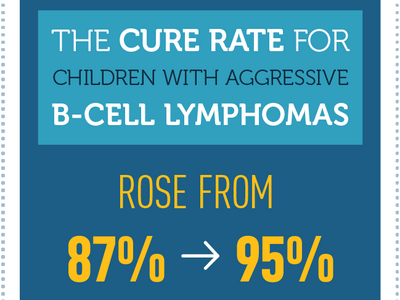
For children with aggressive Burkitt lymphoma and other B-cell non-Hodgkin lymphomas, adding rituximab (Rituxan, Truxima) to chemotherapy substantially increases the likelihood of the child being cured, results from a large clinical trial show.
-

In response to the COVID-19 pandemic, cancer researchers are making changes to clinical trials to ensure patient safety and protect the integrity of their work. Some changes, such as greater use of telemedicine, will likely continue into the future.
-
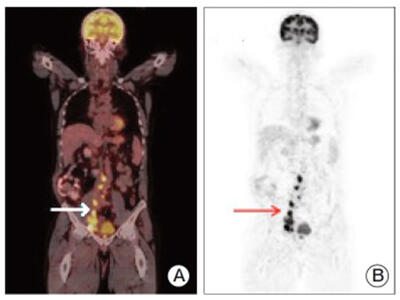
Results from a large study show that, for most people with advanced bladder cancer, starting immunotherapy with avelumab (Bavencio) shortly after initial treatment with chemotherapy is better than delaying treatment.
-

FDA has granted accelerated approval for selpercatinib (Retevmo) to treat certain patients with thyroid cancer or non-small cell lung cancer whose tumors have RET gene alterations. The drug, which works by blocking the activity of RET proteins, was approved based on the results of the LIBRETTO-001 trial.
-

Many advanced cancer patients suffer from chronic nausea and vomiting and there aren’t many good treatments available. But a small study suggests that the drug olanzapine (Zyprexa) may fill that gap.