
Cancer Currents: An NCI Cancer Research Blog
A blog featuring news and research updates from the National Cancer Institute.

-
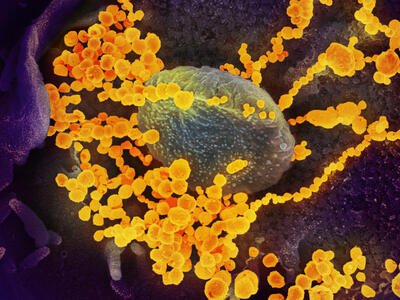
NCI scientists, along with experts from other government agencies and academic medical centers, have launched a joint effort to help FDA evaluate commercially available antibody tests for SARS-CoV-2, the coronavirus that causes COVID-19.
-

Researchers are exploring ways to support the psychological and emotional needs of cancer survivors and how to tailor existing approaches to meet the needs of specific individuals or groups.
-
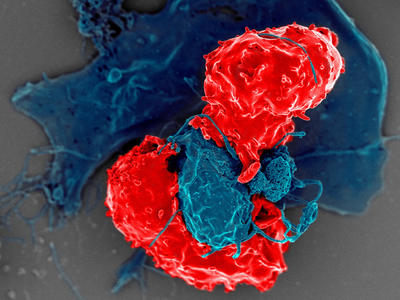
The number of dendritic cells in a tumor may explain why immunotherapies work for some cancers but not others, a new study suggests. In mice, boosting dendritic cells triggered an immune response that slowed pancreatic tumor growth.
-
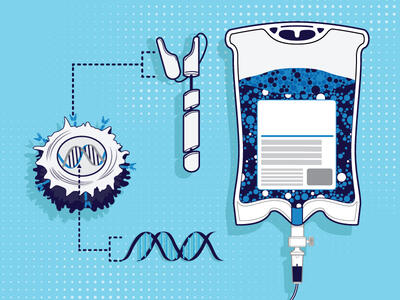
NCI is developing the capability to produce cellular therapies, like CAR T cells, to be tested in cancer clinical trials at multiple hospital sites. Few laboratories and centers have the capability to make CAR T cells, which has limited the ability to test them more broadly.
-

After rising steadily for decades, the number of people in the United States who die each year from the skin cancer melanoma has dramatically dropped in recent years, results from a new study show. Learn what has contributed to the dramatic decline.
-

NCI is lending its tremendous expertise and unique research capabilities to the global response to the COVID-19 pandemic. NCI Director Dr. Norman Sharpless describes some of the COVID-19 specific research activities NCI has initiated.
-

The Food and Drug Administration (FDA) has approved selumetinib (Koselugo) to treat children with neurofibromatosis 1 (NF1), a genetic disorder that causes tumors, called plexiform neurofibromas, to form throughout the nervous system.
-
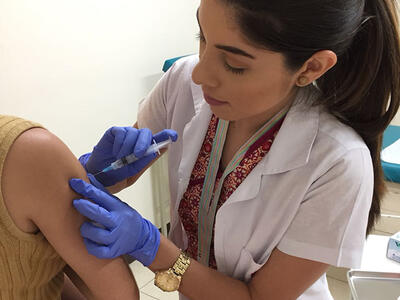
More than a decade after vaccination, women who had received a single dose of the HPV vaccine continued to be protected against infection with the two cancer-causing HPV types targeted by the vaccine, an NCI-funded clinical trial shows.
-

Women with cervical or uterine cancer who received radiation to the pelvic region reported side effects much more often using an online reporting system called PRO-CTCAE than they did during conversations with their clinicians, a new study shows.
-
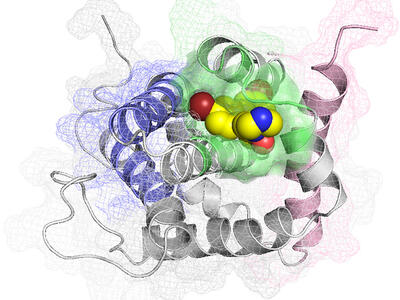
An experimental drug may help prevent the chemotherapy drug doxorubicin from harming the heart and does so without interfering with doxorubicin’s ability to kill cancer cells, according to a study in mice.