
Cancer Currents: An NCI Cancer Research Blog
A blog featuring news and research updates from the National Cancer Institute.

-
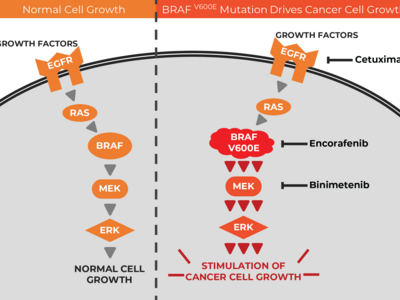
For people with colorectal cancer with a specific mutation in the BRAF gene, a treatment regimen of three targeted drugs can improve how long they live without increasing their risk of serious side effects, results from a new clinical trial show.
-

Updated guidelines on exercise for those living with cancer and cancer survivors were recently released. In this conversation, Dr. Kathryn Schmitz discusses what these new guidelines mean for doctors, patients, and survivors.
-

Dr. Ned Sharpless discusses his return as NCI director after serving as acting commissioner of the Food and Drug Administration for 7 months.
-
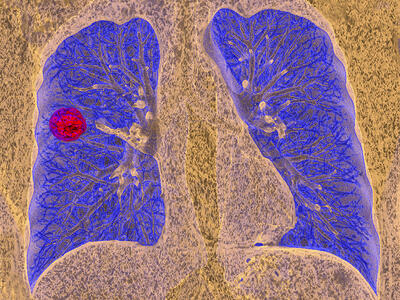
A large clinical trial showed that adding the immunotherapy drug durvalumab (Imfinzi) to standard chemotherapy can prolong survival in some people with previously untreated advanced small cell lung cancer.
-

In three large clinical trials of women with newly diagnosed ovarian cancer, treatment with a PARP inhibitor as first-line therapy, maintenance therapy, or both, extended the length of time before participants’ cancers came back or got worse.
-
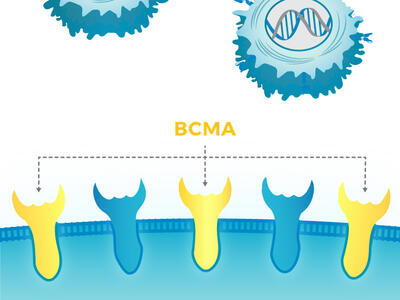
Results from a new study suggest a potential way to improve the effectiveness of CAR T-cell therapy for multiple myeloma. The approach relies on a class of drugs called gamma-secretase inhibitors (GSIs), several of which have been studied to treat Alzheimer’s disease.
-

A TAILORx analysis shows women with early-stage breast cancer and high recurrence scores on the Oncotype DX who received chemotherapy with hormone therapy had better long-term outcomes than what would be expected from hormone therapy alone.
-
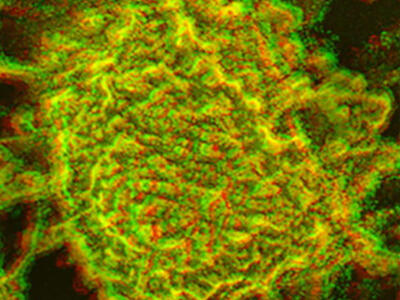
Researchers have engineered an oncolytic virus to kill cancer cells and boost the immune response against tumors. In a new study, the virus provided T cells around tumors with a hormone they need for their own cell-killing functions.
-
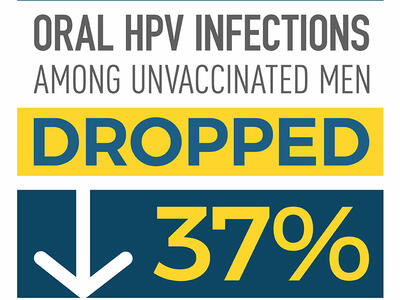
Oral HPV infections cause over 70% of all oropharyngeal cancers in the United States. In a new study of adults aged 18‒59, the rate of HPV vaccination rose from 0% to 6% for men, while oral HPV infections fell by 37% among unvaccinated men.
-

NCI periodically provides updates on new websites and other online content of interest to the cancer community. See selected content that has been added as of October 2019.