
Cancer Currents: An NCI Cancer Research Blog
A blog featuring news and research updates from the National Cancer Institute.

-
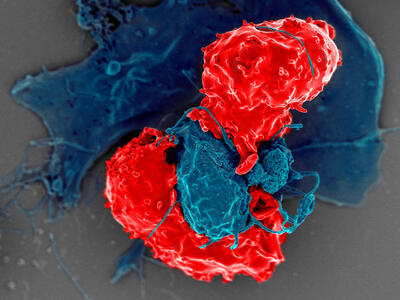
An NCI-funded clinical trial is testing the immunotherapy drug nivolumab (Opdivo) in people who have advanced cancer and an autoimmune disease, such as rheumatoid arthritis, lupus, or multiple sclerosis, who are often excluded from such trials.
-
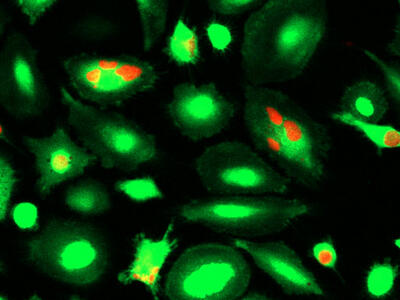
Researchers have identified a protein called CD24 that may be a new target for cancer immunotherapy. The protein is a ‘don’t eat me’ signal that prevents immune cells called macrophages from engulfing and eating cells.
-

To prepare for the proposed Childhood Cancer Data Initiative, NCI sponsored a 3-day symposium that brought together pediatric cancer researchers, advocates, and other stakeholders.
-
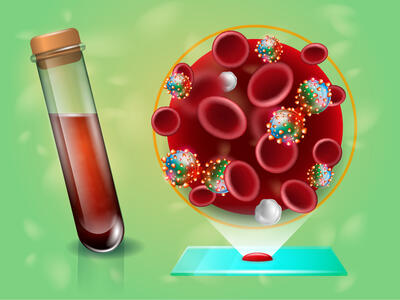
A person’s risk of progressing from a benign condition called monoclonal gammopathy of undetermined significance (MGUS) to the blood cancer multiple myeloma can change over time, according to a new study.
-
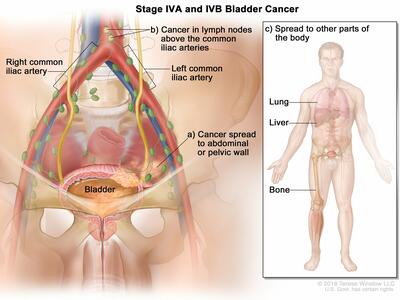
New clinical trial findings confirm that the targeted therapy erdafitinib (Balversa) can benefit patients with advanced bladder cancer whose tumors have a genetic alteration in one of the four FGFR genes.
-

Clinical recommendations on who should be screened for lung cancer may need to be reviewed when it comes to African Americans who smoke, findings from a new study suggest.
-
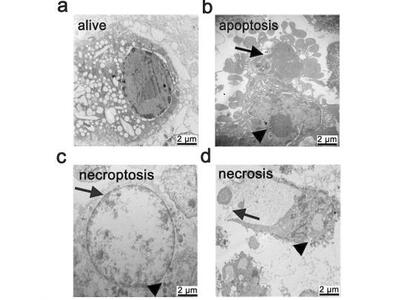
Injecting cells undergoing necroptosis, a form of cell death, into tumors in mice kickstarted an immune response against the tumors, researchers have found. When combined with immunotherapy, the treatment was effective at eliminating tumors in mice.
-
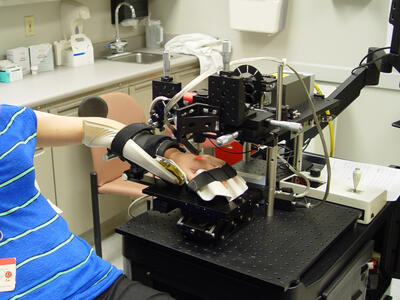
Researchers have developed a device that uses lasers and sound waves to scan circulating blood for melanoma cells. In a small study, the device accurately detected and reduced the amount of cancer cells in participants’ blood.
-
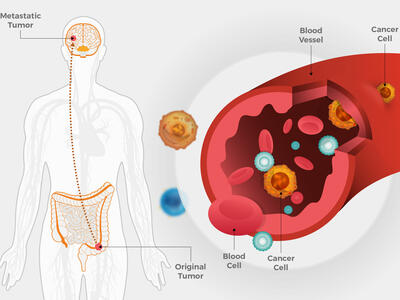
Many colorectal cancers likely have spread long before the original tumor is detected, researchers have found. The findings suggest the need for very early detection and could help identify patients who need more aggressive systemic treatments.
-
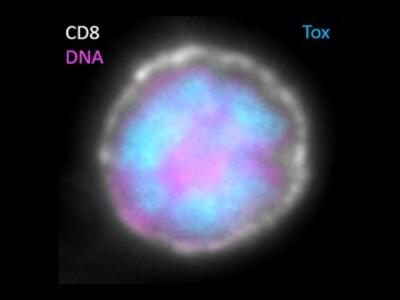
Researchers have identified proteins that may play a central role in transforming T cells from powerful destroyers to depleted bystanders that can no longer harm cancer cells. The findings could lead to strategies for boosting cancer immunotherapies.