
Cancer Currents: An NCI Cancer Research Blog
A blog featuring news and research updates from the National Cancer Institute.

-
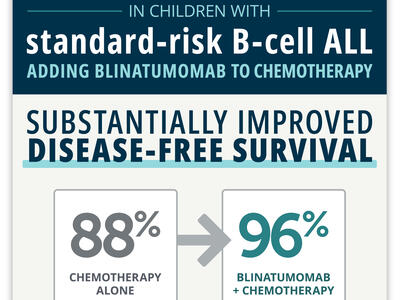
Following positive results from a clinical trial, the immunotherapy drug blinatumomab (Blincyto) is expected to become part of the standard initial treatment for many kids with B-cell acute lymphoblastic leukemia, the most common form of childhood cancer.
-

Researchers at Memorial Sloan Kettering Cancer Center have developed a training program to help health providers reduce lung cancer stigma. In this interview, they discuss an ongoing NCI-funded nationwide clinical trial to test the training.
-

Researchers have found that feeding fructose, a main component of high-fructose corn syrup, to lab animals with cancer made their tumors grow faster. But the tumors couldn’t directly consume the sugar—it had to take a detour through the liver first.
-
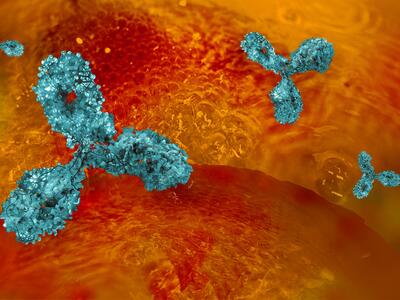
FDA’s approvals of Darzalex Faspro and Sarclisa, each used in combination with standard three-drug treatment regimens, should change the initial treatment of newly diagnosed multiple myeloma, including for patients who can’t get a stem cell transplant.
-
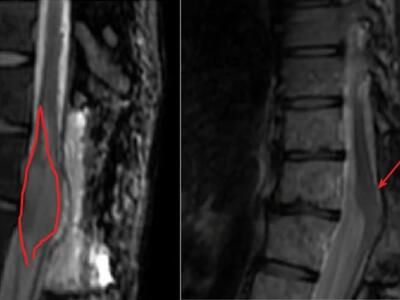
In a small clinical trial, an experimental CAR T-cell therapy that targets the protein GD2 on cancer cells shrank tumors—for 2 years or more in several cases—in children and young adults with diffuse midline glioma, an aggressive brain and spinal cord cancer.
-

NCI Director Dr. Kimryn Rathmell reviews some of the most noteworthy cancer research findings from 2024, including advances in immunotherapy for children with cancer, a potential therapy for cachexia, and studies that provided valuable insights into cancer biology.
-
The findings from a recent NCI-supported clinical trial are helpful because previous studies for people with locally advanced head and neck cancer have yielded conflicting data for and against several alternatives to cisplatin combined with radiation.
-

Younger cancer patients who filled out surveys about their symptoms experienced fewer cancer-related symptoms than those who did not complete the surveys, results from two clinical trials have shown. The findings show patient-reported outcome (PRO) surveys for children can give an accurate picture of how a child is feeling during the stress of treatment.
-
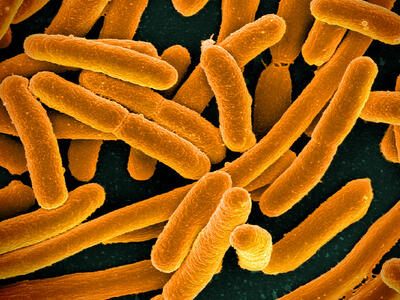
In a pair of studies, researchers engineered a probiotic strain of E. coli called Nissle 1917 so it can help the immune system attack tumors. Although the E. coli were altered in different ways, resulting in two different immune-based treatment strategies, both were effective in mice.
-
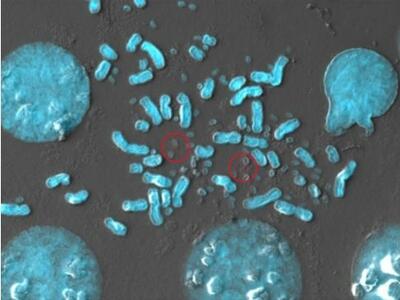
Researchers have found that cancer cells containing extrachromosomal DNAs (ecDNAs) have a weakness that can be exploited by a drug that targets the CHK1 protein. In mice, combining the drug with another targeted therapy kept cancer at bay for long periods.