
Cancer Currents: An NCI Cancer Research Blog
A blog featuring news and research updates from the National Cancer Institute.

-

In a trial, men who received stereotactic body radiotherapy (SBRT) didn’t have a higher risk of cancer recurrence than men treated with other common radiation therapy regimens that are given over longer periods.
-

Black people with cancer are much less likely to join clinical trials than White patients. Results from a new study may help explain why and help research staff talk with and recruit more Black participants.
-
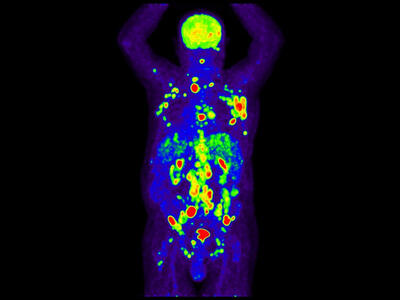
In a nearly 1,000-patient trial, treatment with nivolumab (Opdivo) and the chemotherapy regimen AVD was better at eliminating cancer and keeping it at bay than the current standard initial treatment for the disease, AVD and brentuximab (Adcetris). The nivolumab combination also had fewer side effects.
-

A randomized clinical trial comparing two types of surgery in people with localized muscle-invasive bladder cancer found that more extensive surgery removing a larger group of lymph nodes did not improve survival, compared with standard lymph node surgery.
-

In a study of people with advanced lung cancer, palliative care delivered via telehealth was just as effective at improving patients’ quality of life and other measures of well-being as care delivered in person.
-

A 10-year-old program at an NCI-Designated Cancer Center has had substantial success at increasing the number of adolescents and young adults with cancer who get recommended treatment and services, including greater clinical trial participation and use of fertility services.
-
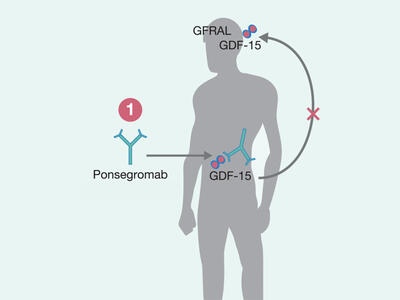
In a clinical trial, people with advanced cancer and cachexia treated with the experimental drug ponsegromab gained an average of 2 to 6 pounds over 12 weeks, depending on the dose they received. Participants treated with the placebo lost an average of 1 pound over the same time period.
-

Up to 40% of people being treated for cancer use cannabis to help with side effects like pain and anxiety. But with evidence from studies on cannabis lacking, clinicians feel ill-equipped to answer patient questions about its safety and effectiveness.
-

FDA recently approved the Shield test, the first blood test for the primary screening of people at average risk of colorectal cancer. Where does it fit in with other screening options for the disease, including colonoscopy and stool tests?
-

Some women who receive a false-positive result on a mammogram may not come back for routine breast cancer screening in the future, a new study finds. Better doctor–patient communication about the screening process is needed, several researchers said.