
Cancer Currents: An NCI Cancer Research Blog
A blog featuring news and research updates from the National Cancer Institute.

-
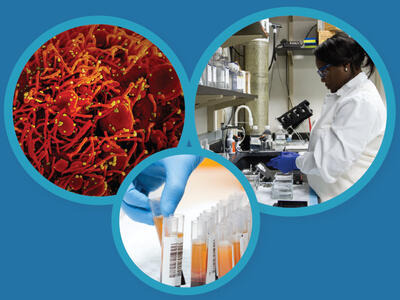
NCI is lending its tremendous expertise and unique research capabilities to the global response to the COVID-19 pandemic. NCI Director Dr. Norman Sharpless describes some of the COVID-19 specific research activities NCI has initiated.
-

The Food and Drug Administration (FDA) has approved selumetinib (Koselugo) to treat children with neurofibromatosis 1 (NF1), a genetic disorder that causes tumors, called plexiform neurofibromas, to form throughout the nervous system.
-
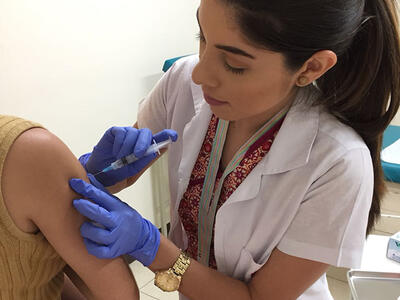
More than a decade after vaccination, women who had received a single dose of the HPV vaccine continued to be protected against infection with the two cancer-causing HPV types targeted by the vaccine, an NCI-funded clinical trial shows.
-

Women with cervical or uterine cancer who received radiation to the pelvic region reported side effects much more often using an online reporting system called PRO-CTCAE than they did during conversations with their clinicians, a new study shows.
-
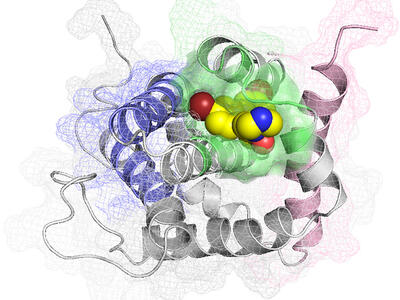
An experimental drug may help prevent the chemotherapy drug doxorubicin from harming the heart and does so without interfering with doxorubicin’s ability to kill cancer cells, according to a study in mice.
-
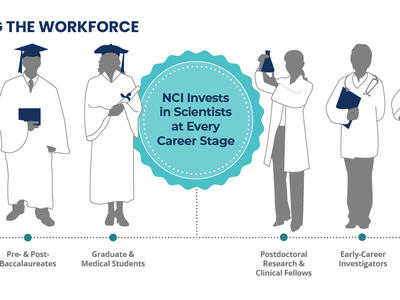
NCI’s Center for Cancer Training (CCT) develops training and career development programs for the next generation of cancer researchers. Here, the new CCT director discusses his goals for CCT and the challenges of training cancer researchers.
-
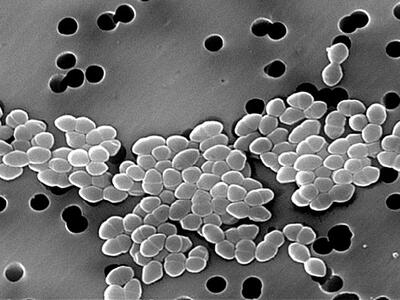
In people with blood cancers, the health of their gut microbiome appears to affect the risk of dying after receiving an allogeneic hematopoietic stem cell transplant, according to an NCI-funded study conducted at four hospitals across the globe.
-
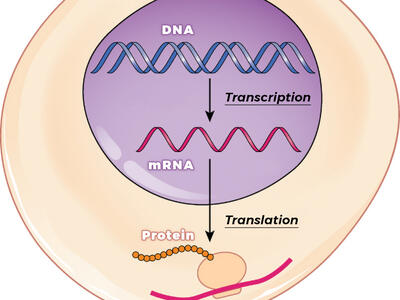
A novel approach to analyzing tumors may bring precision cancer medicine to more patients. A study showed the approach, which analyzes gene expression using tumor RNA, could accurately predict whether patients had responded to treatment with targeted therapy or immunotherapy.
-
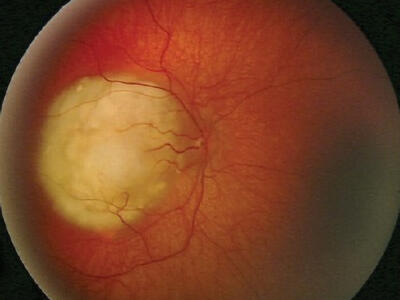
Children with retinoblastoma in low- and middle-income countries were, on average, diagnosed at an older age and with more advanced disease than those in high-income countries, an analysis shows. The data provide clues about global disparities in outcomes.
-
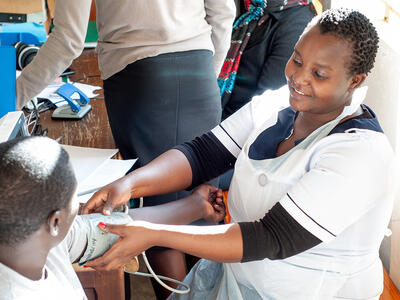
For people with advanced AIDS-related Kaposi sarcoma in sub-Saharan Africa, results from a large clinical trial are expected to change treatment. In the trial, paclitaxel greatly improved outcomes compared with treatments typically used in the region.