
Cancer Currents: An NCI Cancer Research Blog
A blog featuring news and research updates from the National Cancer Institute.

-
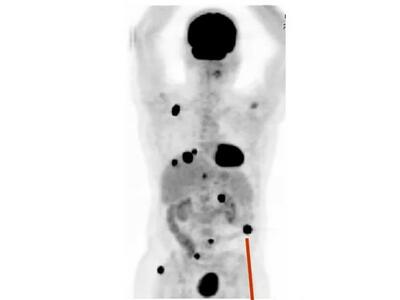
Melanoma cells that metastasize to other parts of the body produce high levels of a protein called MCT1, a new study in mice has found. Blocking MCT1 with an investigational drug, AZD3965, led to fewer and smaller metastatic tumors.
-
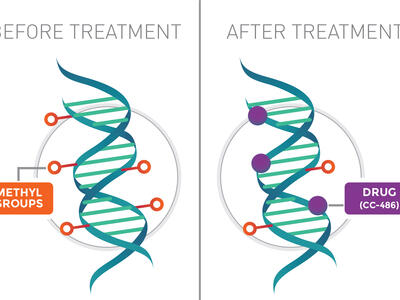
Maintenance therapy with CC-486 extended overall survival of adults with the blood cancer acute myeloid leukemia (AML) in a large clinical trial. CC-486 is a pill form of another cancer therapy called azacitidine (Vidaza).
-
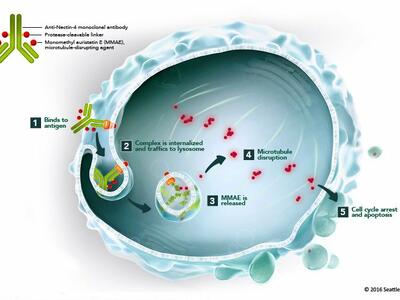
Enfortumab vedotin-ejfv (Padcev) has been approved for people with advanced bladder cancer. FDA granted the drug accelerated approval for cancers that have progressed despite previous treatments.
-
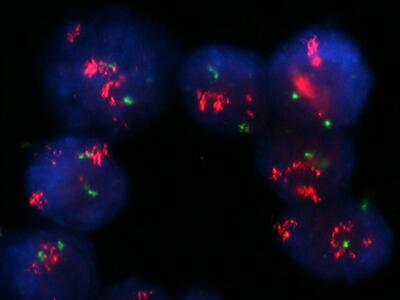
Tucatinib improved survival for women in the HER2CLIMB trial, including some whose cancer had spread to the brain. Trastuzumab deruxtecan improved survival and shrank many tumors in the DESTINY-Breast01 trial, which led to its accelerated approval.
-
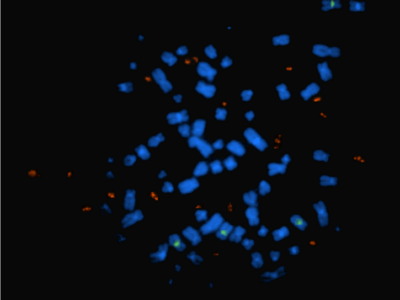
Glioblastoma cells sneak many copies of a key oncogene into circular pieces of DNA. In a new NCI-funded study, scientists found that the cells also slip several different genetic “on switches” into these DNA circles, helping to fuel the cancer’s growth.
-

Dr. Teresa Woodruff discusses the field that connects oncology with reproductive health, and the Oncofertility Consortium’s efforts to support clinicians, cancer patients, and families in understanding how cancer and its treatment affect fertility.
-
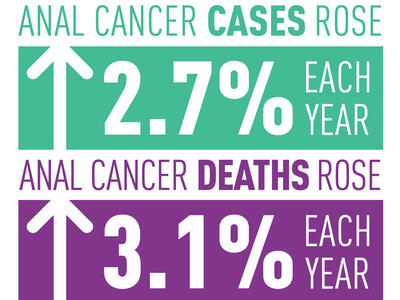
The number of cases and deaths from anal cancer have been on the rise in the United States since 2001, according to a new study. The increases have been especially rapid in two segments of the population.
-
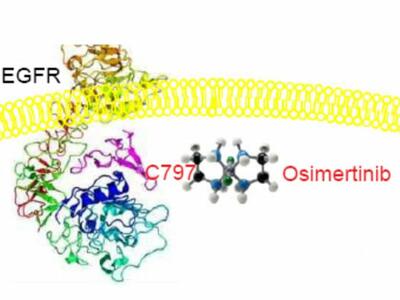
Osimertinib (Tagrisso) improves survival in people with non-small cell lung cancer with EGFR mutations, updated clinical trial results show. People treated with osimertinib lived longer than those treated with earlier-generation EGFR-targeted drugs.
-

Secondary surgery for women with recurrent ovarian cancer does not improve how long those women live, findings from a large trial show. The results call into question the current standard of practice for these patients.
-
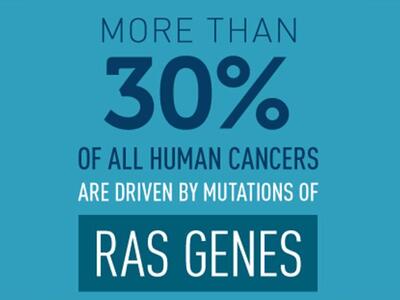
An experimental drug, AMG 510, that targets mutated forms of the KRAS protein completely shrank tumors in cancer mouse models and data from a small clinical trial show that it appears to be active against different cancer types with a KRAS mutation.