
Cancer Currents: An NCI Cancer Research Blog
A blog featuring news and research updates from the National Cancer Institute.

-

Secondary surgery for women with recurrent ovarian cancer does not improve how long those women live, findings from a large trial show. The results call into question the current standard of practice for these patients.
-
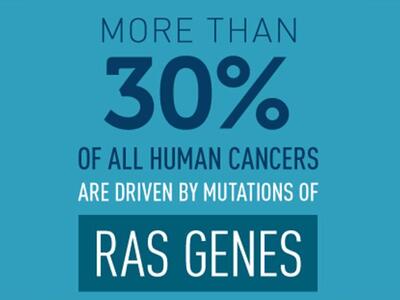
An experimental drug, AMG 510, that targets mutated forms of the KRAS protein completely shrank tumors in cancer mouse models and data from a small clinical trial show that it appears to be active against different cancer types with a KRAS mutation.
-

At a recent NCI-sponsored scientific workshop, patients with cancer, researchers, and patient advocates exchanged ideas about personal genomic data, issues related to privacy, and data sharing.
-
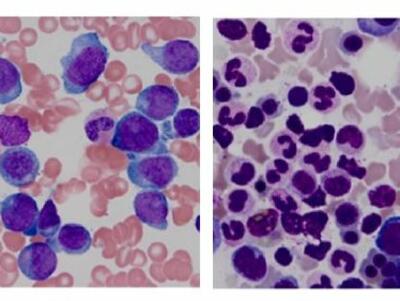
People with relapsed or refractory acute myeloid leukemia (AML) with FLT3 gene mutations treated with gilteritinib had improved survival, higher rates of remission, and fewer side effects than those treated with chemotherapy, a recent trial found.
-
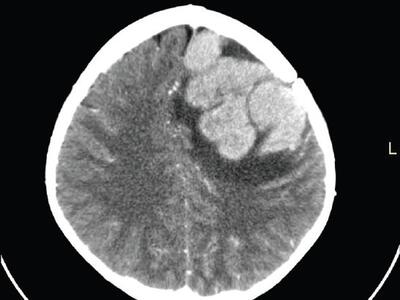
Only 1.5% of children with acute lymphoblastic leukemia who skipped radiation had a recurrence in the central nervous system, according to a recent trial. The therapy, which is intended to prevent such a recurrence, can have devastating side effects.
-
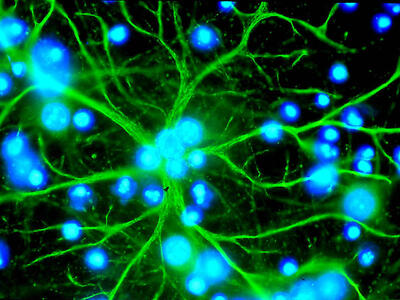
Brain cells called astrocytes can activate PPAR-gamma, a growth protein in cancer cells that helps them gain a foothold in the brain, a new study shows. The findings suggest that drugs that block PPAR-gamma activity may help treat brain metastases.
-
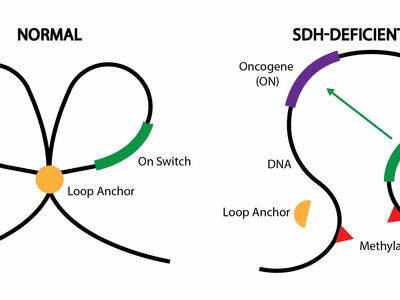
Scientists may have pinpointed the cause of some gastrointestinal stromal tumors (GISTs), a rare cancer, according to a new NCI-funded study. However, the culprit isn’t a harmful genetic mutation, but another type of genetic change, what are called epigenetic alterations.
-
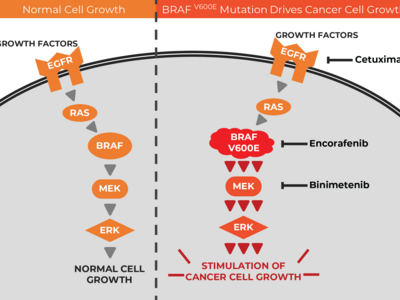
For people with colorectal cancer with a specific mutation in the BRAF gene, a treatment regimen of three targeted drugs can improve how long they live without increasing their risk of serious side effects, results from a new clinical trial show.
-

Updated guidelines on exercise for those living with cancer and cancer survivors were recently released. In this conversation, Dr. Kathryn Schmitz discusses what these new guidelines mean for doctors, patients, and survivors.
-

Dr. Ned Sharpless discusses his return as NCI director after serving as acting commissioner of the Food and Drug Administration for 7 months.