
Cancer Currents: An NCI Cancer Research Blog
A blog featuring news and research updates from the National Cancer Institute.

-
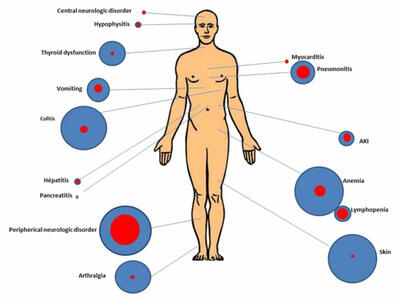
The expanding use of cancer immunotherapy has revealed a variety of side effects associated with this treatment approach. Researchers are now trying to better understand how and why these side effects occur and develop strategies for better managing them.
-
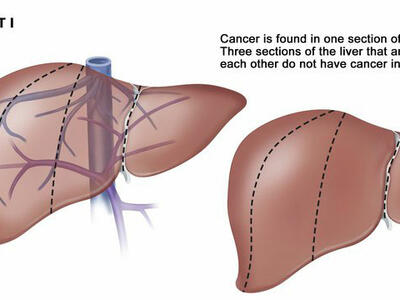
Some children with liver cancer may need less chemotherapy than is typically used, new research suggests. The study included children and infants with hepatoblastoma whose tumors had been surgically removed when the disease was diagnosed.
-
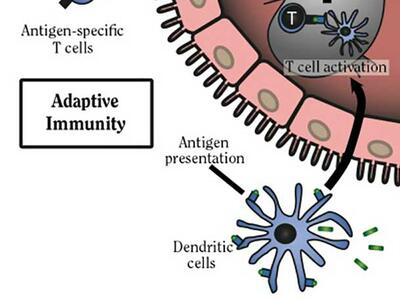
In some people with non-Hodgkin lymphoma (NHL), treating a single tumor with an in situ vaccine can help to shrink, or eliminate, tumors in other parts of the body, findings from a small clinical trial suggest.
-

A physical rehabilitation program delivered by telephone improved function and reduced pain for people with advanced cancer, a clinical trial shows. The program also reduced the time patients spent in hospitals and long-term care facilities.
-
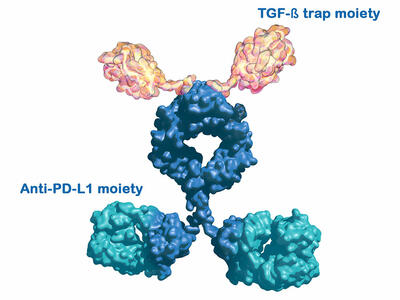
The investigational immunotherapy drug bintrafusp alfa (also called M7824), a bifunctional fusion protein, shrank the tumors of some patients with advanced HPV-related cancers, according to results from a phase 1 clinical trial.
-

In a study in young monkeys, researchers showed that a technique using stored testicular tissue led to successful conception. Researchers are hopeful the approach could eventually be a fertility preservation option for young boys being treated for cancer.
-
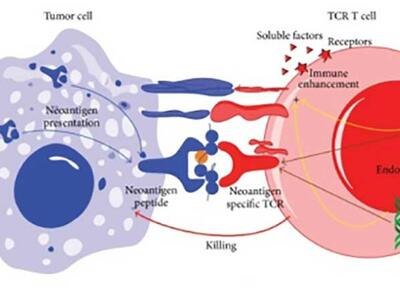
Findings from an NCI-funded study suggest a new vaccine approach may have the potential to prevent colorectal cancer in people with Lynch syndrome, an inherited condition that increases an individual's risk for developing certain types of cancer.
-

Doug Lowy, M.D., a long-time researcher and deputy director at NCI, addresses the cancer community as the institute's acting director, a position he previously held for more than 2 years.
-

Many women diagnosed with ovarian and breast cancer are not undergoing tests for inherited genetic mutations that can provide important information to help guide decisions about treatment and longer-term cancer screening, a new study has found.
-
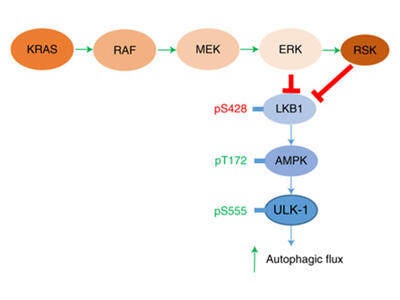
Three research groups have found a potential way to kill cancer cells in pancreatic tumors by simultaneously blocking the activity of proteins that interact with KRAS proteins and disrupting an energy-creating process called autophagy.