
Cancer Currents: An NCI Cancer Research Blog
A blog featuring news and research updates from the National Cancer Institute.

-
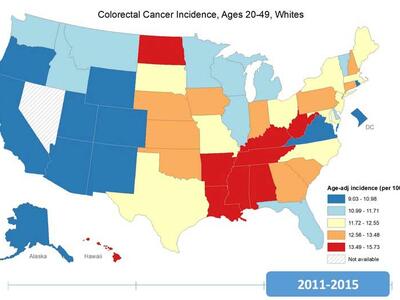
NCI periodically provides updates on new websites and other online content of interest to the cancer community. See selected content that has been added as of March 2019.
-
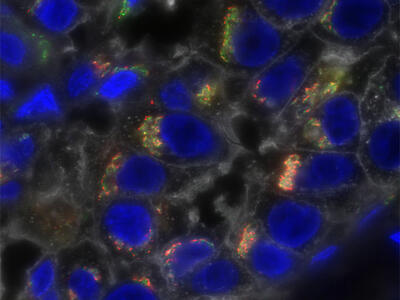
FDA has approved atezolizumab (Tecentriq) in combination with chemotherapy for the treatment of some women with advanced triple-negative breast cancer. This is the first FDA-approved regimen for breast cancer to include immunotherapy.
-
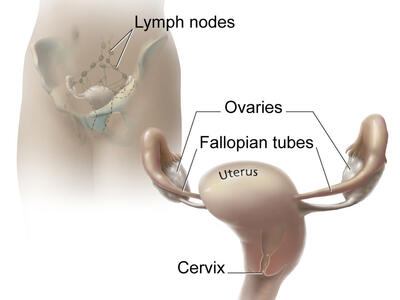
Surgery to remove all the lymph nodes in the area around an advanced ovarian tumor did not improve survival in a recent randomized clinical trial. The study also found systematic lymphadenectomy was associated with more frequent serious complications.
-

NCI has launched an ambitious initiative, called the NCI Program for Natural Products Discovery (NPNPD) and funded by the Cancer Moonshot℠, to make it easier for researchers to mine nature for leads on new cancer drugs.
-
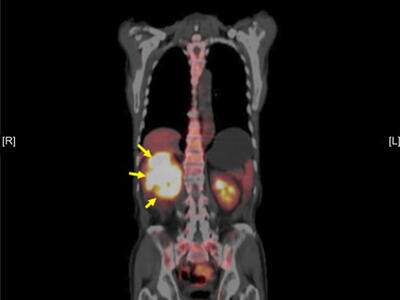
In two clinical trials, combination treatments that included an immune checkpoint inhibitor and axitinib (Inlyta) led to better outcomes for patients with advanced kidney cancer than treatment with sunitinib (Sutent), the standard initial therapy.
-
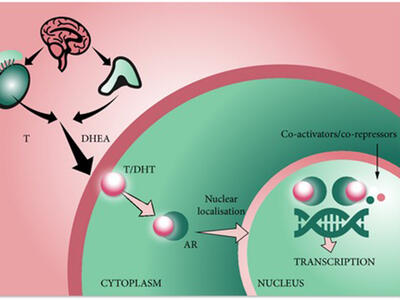
The investigational drug darolutamide can help delay the spread of prostate cancer in some men with the disease, a recent clinical trial shows. In addition, the drug caused fewer side effects than similar prostate cancer drugs.
-
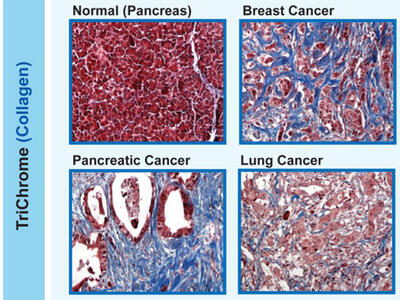
The build-up of connective tissue around some types of cancer can act as a barrier to immunotherapy. A new study uses a bone marrow transplant drug, plerixafor, to break down this barrier and improve the efficacy of immune checkpoint inhibitors in animal models of breast cancer.
-

Researchers in the United Kingdom have found that e-cigarettes combined with counseling may be more helpful to smokers trying to quit tobacco than counseling and nicotine-replacement products, such as patches, gums, and lozenges.
-

NCI is expanding eligibility criteria for its cancer clinical trials in the hope that more patients will join, leading to more rapid advances. The goal is to maximize the number of patients who are eligible to enroll while maintaining their safety.
-

Use of a multipronged approach within hospitals, including community centers, not only eliminated treatment disparities among black and white patients with early-stage lung cancer, it also improved treatment rates for all patients, results from a new study show.