
2021 - Cancer Currents Blog
-
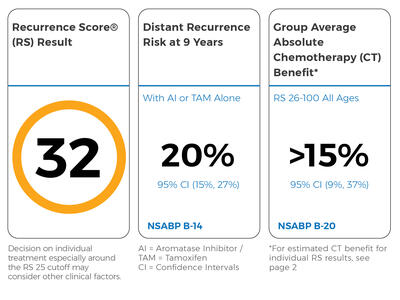
The test, which helps guide treatment decisions, was not as good at predicting the risk of death from breast cancer for Black patients as for White patients, a new study has found. The findings highlight the need for greater racial diversity in research studies.
-

Cancer-related suicides dipped each year between 1999 and 2018 in the United States, a recent study has found. Yet, people who have had cancer remain at high risk for suicide and improvements in supportive care are needed, experts say.
-

Since the COVID-19 pandemic began, cancer researchers have brought their expertise to coronavirus studies. Their findings have ranged from insights into how the SARS-CoV-2 virus enters cells to the identification of potential COVID-19 therapies.
-

The week after the globe recognized World Cancer Day and NCI staff were honored with a virtual visit from First Lady Dr. Jill Biden, the NCI director kicks off the commemoration of the 50th anniversary of the National Cancer Act of 1971.
-

A large study from an international group of researchers provides reassurance that cancer models, known as PDX mice, largely retain the genetics of the human tumors from which they were created. PDX mice are increasingly used in cancer research.