
2018 - Cancer Currents Blog
-
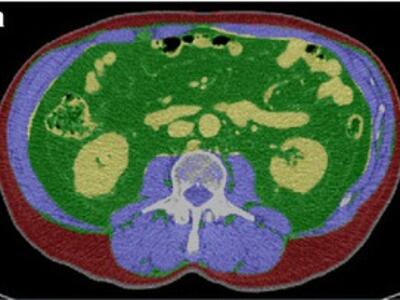
Researchers compared the risk of death for women with breast cancer who had low skeletal muscle mass, or sarcopenia, at the time of their cancer diagnosis and women who had adequate muscle mass.
-
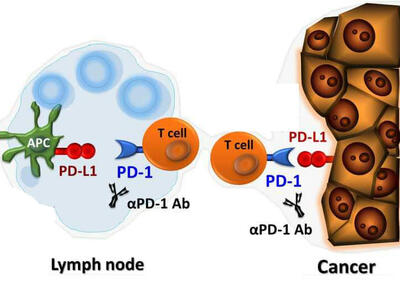
Results from a large clinical trial show combining an immune checkpoint inhibitor with chemotherapy helped some patients with advanced lung cancer live longer than chemotherapy alone. How will this change the lung cancer treatment landscape?
-

American Indian and Alaska Native populations are disproportionately affected by certain cancers. In this interview, Dr. Shobha Srinivasan discusses some of these disparities and programs funded by NCI that are helping to address them.
-

In a small clinical trial, researchers compared the efficacy of a much lower dose of the cancer drug abiraterone (Zytiga) taken with a low-fat breakfast with a full dose taken on an empty stomach, as directed on the drug’s label.
-
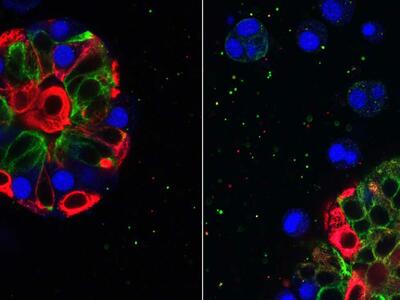
NCI is expanding its Patient-Derived Models Repository (PDMR), which provides cancer research models made directly from human tumor tissue. In this Q&A, Drs. Yvonne Evrard and James Doroshow explain how the new models can help cancer researchers make more rapid progress.
-
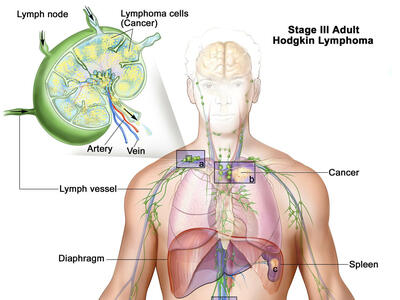
The FDA has expanded the approved uses of brentuximab (Adcetris) in people with Hodgkin lymphoma. Under the new approval, brentuximab can be used in combination with three other chemotherapy drugs as an initial treatment in patients with advanced disease.
-

NCI Director Dr. Norman Sharpless describes the focus areas of opportunity he has identified that, with enhanced attention from NCI, he believes can accelerate progress in cancer research and care.
-

Colorectal cancer screening reduces deaths from the disease, yet about one-third of Americans aren’t up to date with screening. Learn what happened when people waiting for routine checkups used an app that allowed them to order their own screening test.
-
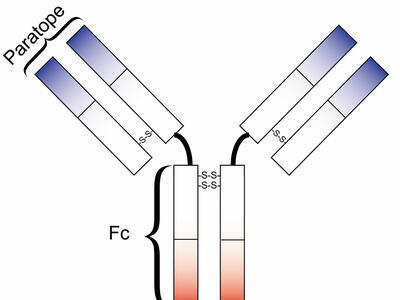
Two independent groups of researchers have fused a TGF-beta receptor to a monoclonal antibody that targets a checkpoint protein. The result is a single hybrid molecule called a Y-trap that blocks two pathways used by tumors to evade the immune system.
-

NCI has launched Navigator, a new resource for researchers interested in using specimens and clinical data collected from large cancer clinical trials.