
2018 - Cancer Currents Blog
-

Researchers are shifting how they assess diet and cancer risk, looking beyond the impact of individual foods or nutrients on health, and taking a more holistic approach, considering dietary patterns across the lifespan.
-
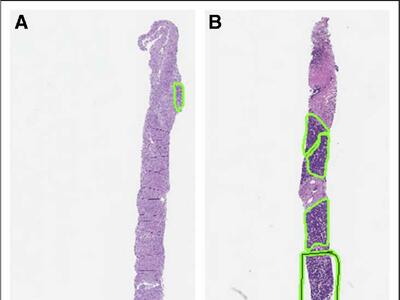
An NCI-led team of researchers has developed and tested recommendations for improving the quality of biopsy specimens collected from patients participating in cancer clinical trials.
-
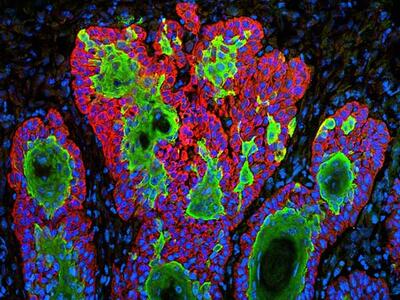
The Food and Drug Administration approved the immunotherapy drug cemiplimab (Libtayo) for an advanced form of cutaneous squamous cell carcinoma (SCC), a common type of skin cancer. It is the first agent to be approved specifically for advanced SCC.
-
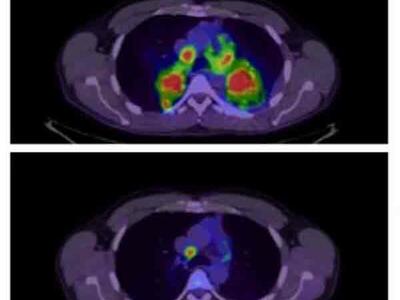
Results from two large clinical trials should cement the value of the drugs brigatinib (Alunbrig) and durvalumab (Imfinzi) in treating non-small cell lung cancer (NSCLC). The trial results, several experts said, confirm that the drugs can improve the outcomes of patients with advanced NSCLC.
-
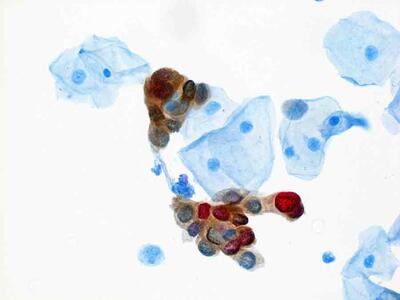
A new test can help to improve the clinical management of women who screen positive for HPV infection during routine cervical cancer screening, an NCI-led study has shown.
-
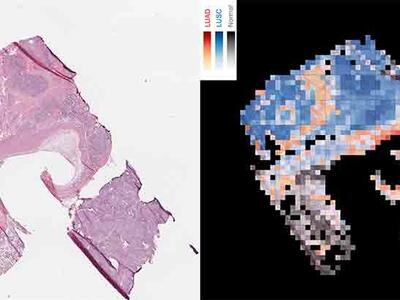
Cancer researchers have trained a computer program to scan images of tissue samples to differentiate normal lung tissue from the two most common forms of lung cancer. The program also learned to detect cancer-related genetic mutations in the samples.
-

Adolescents who use pod-style e-cigarettes had higher levels of nicotine in their bodies than is typically found in adolescents who smoke conventional cigarettes, a new study has found. The study's findings are concerning for several reasons.
-
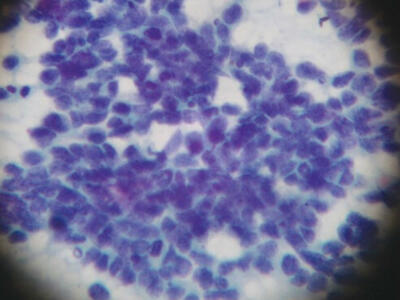
In a large clinical trial, the immunotherapy drug atezolizumab (Tecentriq), combined with a standard chemotherapy regimen, modestly increased survival in patients with advanced small cell lung cancer (SCLC). The trial is the first in more than 20 years to show a survival improvement in this cancer.