
2020 - Cancer Currents Blog
-
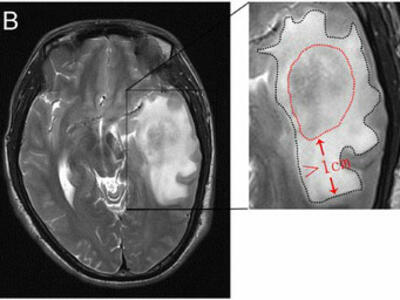
In people with glioblastoma and other brain cancers, steroids appear to limit the effectiveness of immunotherapy drugs, a new study shows. The findings should influence how steroids are used to manage brain tumor symptoms, researchers said.
-

Fertility preservation for young women with breast cancer doesn’t increase their risk of dying in the ensuing decades, a new study affirmed. Experts said the findings support routinely offering fertility preservation to patients who want it.
-
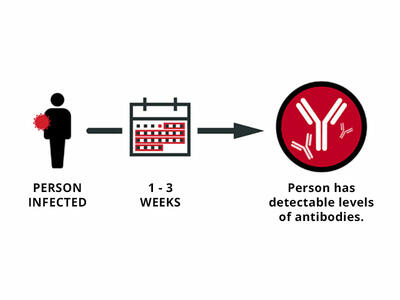
In a study using data from more than 3 million people, NCI researchers have found that people who have antibodies to SARS-CoV-2, the virus that causes COVID-19, appear to have some degree of protection against being reinfected with the virus.
-

For adults with CML who are in a sustained deep molecular remission, stopping treatment with a tyrosine kinase inhibitor is safe and improves their quality of life, a study shows. But researchers cautioned that these patients must be closely monitored.
-
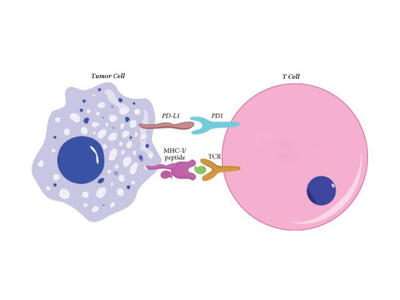
Cholesterol-lowering drugs known as PCSK9 inhibitors may improve the effectiveness of cancer immune checkpoint inhibitors, according to studies in mice. The drugs appear to improve the immunotherapy drugs’ ability to find tumors and slow their growth.
-

Researchers have developed a nanoparticle that trains immune cells to attack cancer. According to the NCI-funded study, the nanoparticle slowed the growth of melanoma in mice and was more effective when combined with an immune checkpoint inhibitor.