
Treatment - Cancer Currents Blog
Cancer treatment related news, with context from leading experts. Includes articles on new therapies, treatment side effects, and important trends in treatment-related research.
-
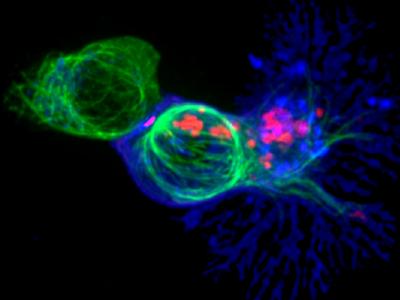
Removing immune cells called naive T cells from donated stem cells before they are transplanted may prevent chronic graft-versus-host disease (GVHD) in people with leukemia, a new study reports. The procedure did not appear to increase the likelihood of patients’ cancer returning.
-
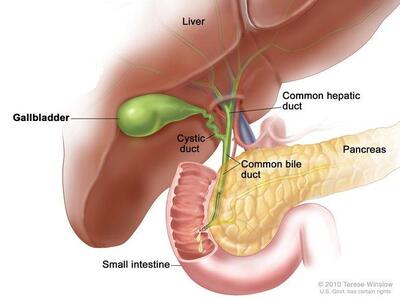
Adding durvalumab (Imfinzi) to standard chemotherapy modestly extended how long people with advanced biliary tract cancer lived, results from the TOPAZ-1 trial show. The immunotherapy drug may now be the standard first-line therapy for this hard-to-treat cancer.
-
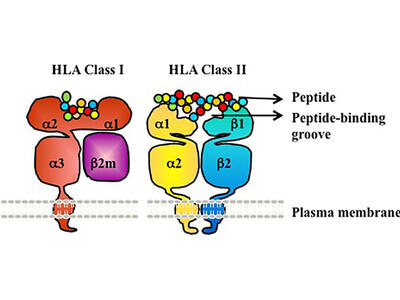
A specific form of the HLA gene, HLA-A*03, may make immune checkpoint inhibitors less effective for some people with cancer, according to an NCI-led study. If additional studies confirm the finding, it could help guide the use of these commonly used drugs.
-

The success of mRNA vaccines for COVID-19 could help accelerate research on using mRNA vaccine technology to treat cancer, including the development of personalized cancer vaccines.
-
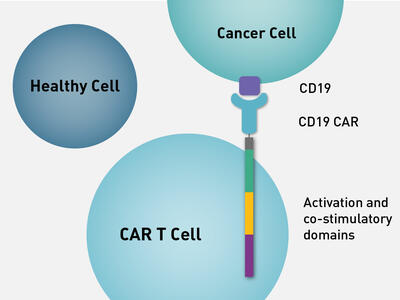
Results from three clinical trials have found that CAR T cells may be superior to standard treatments for patients with B-cell NHL that has not responded to treatment (refractory) or has returned after treatment (relapsed).
-

For patients with recurrent ovarian cancer who meet strict criteria, additional surgery may improve survival, results from a large clinical trial show.
-
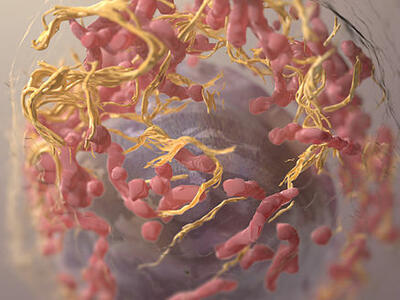
Clinical trial finds that ipilimumab (Yervoy) and nivolumab (Opdivo) combo is superior to a combination of the targeted therapies dabrafenib (Tafinlar) and trametinib (Mekinist) as the first treatment for metastatic BRAF-positive melanoma.
-
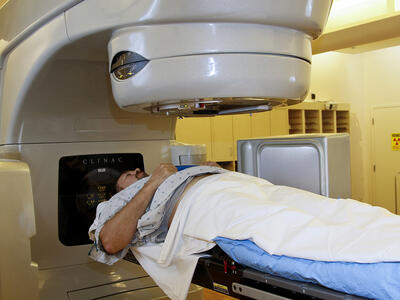
Many with prostate cancer can safely receive shorter, higher-dose radiation therapy after surgery, a new study has found. The approach, called HYPORT, didn’t harm patients’ quality of life compared with the standard radiation approach, trial finds.
-
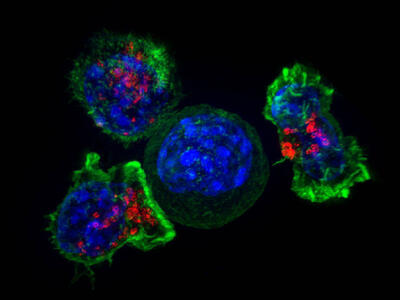
The CAR T-cell therapy Tecartus has become the first such treatment approved by FDA to treat adults with acute lymphoblastic leukemia (ALL). The approval is for patients whose cancer has not responded to treatment or returned after treatment.
-
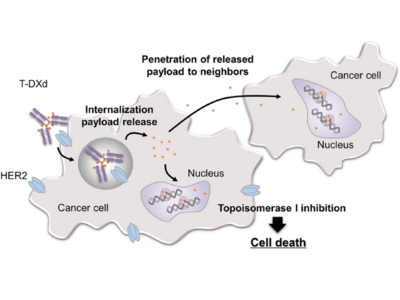
In people with metastatic HER2-positive breast cancer, the targeted drug trastuzumab deruxtecan (Enhertu) markedly lengthened progression-free survival compared with trastuzumab emtansine (Kadcycla), new study results show.