
Cancer Currents: An NCI Cancer Research Blog
A blog featuring news and research updates from the National Cancer Institute.

-

Results from a new study highlight the progress being made toward developing liquid biopsies specifically for use in children with solid cancers like Ewing sarcoma and Wilms tumor. The tests can help detect and diagnose cancer and monitor for response to treatment and recurrence.
-
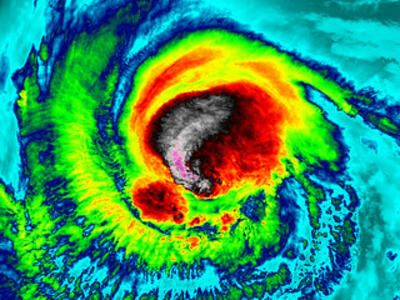
The consequences of climate change have already affected cancer care in the United States, particularly in areas hit by hurricanes and wildfires. Researchers are studying how to mitigate that impact and better understand the effect of climate change on the risk of developing cancer.
-
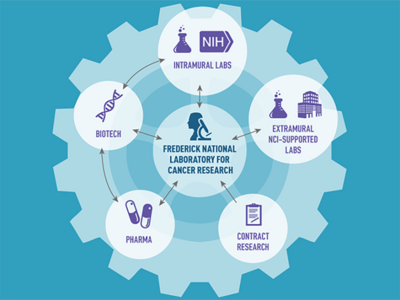
To mark the 10 years since it was named a national lab, NCI Principal Deputy Director Douglas R. Lowy, M.D., discusses some of the Frederick National Lab’s initiatives to support cancer research and looks ahead at the next 10 years.
-
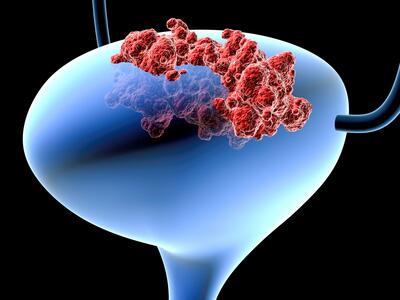
Updated results from a large clinical trial confirm that, for some people with bladder cancer, receiving immunotherapy after surgery is an effective treatment. In 2021, initial results from the same trial led to FDA approval of nivolumab (Opdivo) for this use.
-
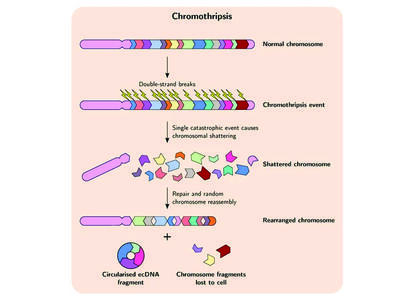
Researchers have identified a mechanism by which cancer cells develop specific genetic changes needed to become resistant to targeted therapies. They also showed that this process, called non-homologous end-joining (NHEJ), can potentially be disrupted.
-
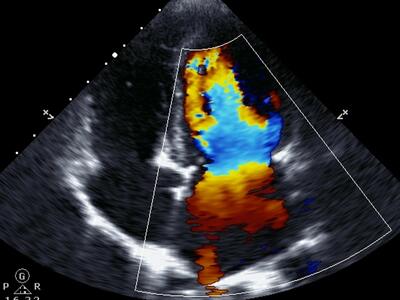
Doxorubicin is used to treat many types of childhood cancer, but it can damage the heart. Giving dexrazoxane (Zinecard) before each dose substantially decreases a child’s risk of treatment-related heart problems in adulthood, new study results show.
-

For certain people with early-stage non-small cell lung cancer, sublobar surgery to remove only a piece of the affected lung lobe is as effective as surgery to remove the whole lobe, new research shows.
-
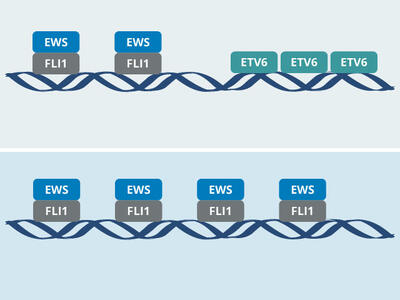
The protein ETV6 appears to promote tumor growth by affecting the behavior of the EWS-FLI1 fusion protein that drives most Ewing sarcomas. The research groups that made the discovery hope it leads to a targeted therapy for the aggressive childhood cancer.
-

For some people with cancer, is 6 months of immunotherapy the only treatment they might ever need? Or 4 weeks of immunotherapy followed by minor surgery? Results from several small clinical trials suggest these scenarios may be bona fide possibilities.
-

Since the start of the COVID-19 pandemic, many people with cancer have had telehealth visits with their doctors. According to an analysis of nearly 25,500 telemedicine visits to the Moffitt Cancer Center by more than 11,600 adults with cancer, the use of telehealth saved people with cancer time, travel, and money.