
Cancer Currents: An NCI Cancer Research Blog
A blog featuring news and research updates from the National Cancer Institute.

-

Black and Hispanic patients nearing the end of life are less likely than White patients to get opioids needed to control their cancer pain, a new study shows. Black patients were also more likely than White patients to undergo urine tests that screen for drugs.
-
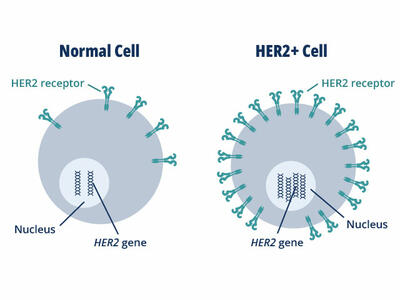
FDA approved tucatinib (Tukysa) with trastuzumab (Herceptin) to treat HER2-positive advanced colorectal cancer. The approval was based on the MOUNTAINEER trial, in which nearly 40% of participants’ tumors shrank after receiving the drug combination.
-

NCI Director Dr. Monica Bertagnolli reflects on the tremendous progress made in cancer research over the past 3 decades, important opportunities that lie ahead, and the need for coordinated, all-of-society collaboration to end cancer as we know it for everyone.
-
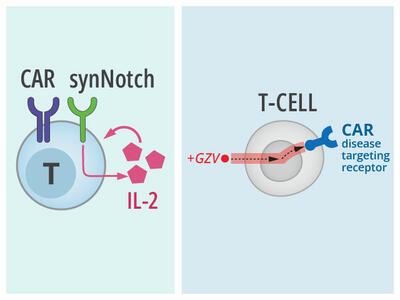
Two research teams have developed ways of overcoming barriers that have limited the effectiveness of CAR T-cell therapies, including engineering ways to potentially make them effective against solid tumors like pancreatic cancer and melanoma.
-

An NCI-funded clinical trial has shown that treatment-related early deaths in people with a rare leukemia can be dramatically reduced. How did they do it? In part, by establishing a help desk staffed by experts in treating APL.
-

FDA has approved zanubrutinib (Brukinsa) for chronic lymphocytic leukemia (CLL) or small lymphocytic lymphoma (SLL) based on results from two clinical trials. In both trials, the drug, which blocks a protein called BTK, was more effective and caused fewer side effects than other treatments.
-
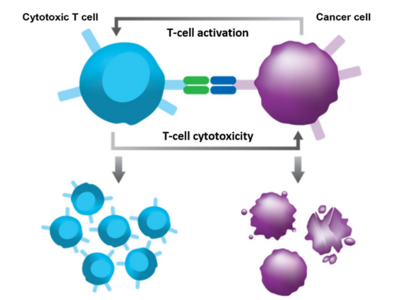
The immunotherapy drug blinatumomab (Blincyto) extends life for people with acute lymphoblastic leukemia who are in remission, even those with no signs of disease after initial treatment, a trial has found.
-

Many young women who are diagnosed with early-stage breast cancer want to become pregnant in the future. New research suggests that these women may be able to pause their hormone therapy for up to 2 years as they try to get pregnant without raising the risk of a recurrence in the short term.
-
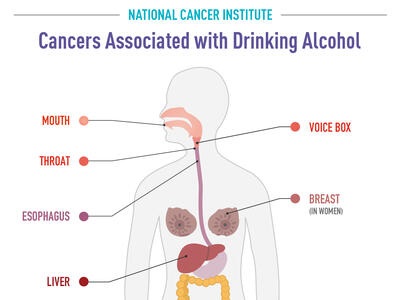
A study confirmed that most US adults aren’t aware of the link between alcohol consumption and cancer. Even among those surveyed who were aware, some believed risk varies by the type of alcohol.
-
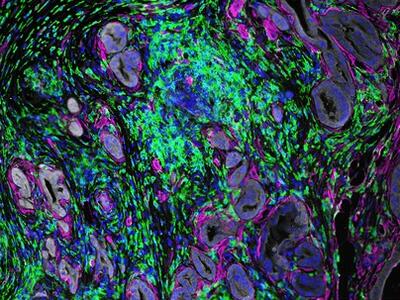
An experimental drug, MRTX1133, shrank tumors or halted their growth in several mouse models of human pancreatic cancer with KRAS G12D mutations, a new study shows. The models included one that is genetically engineered to closely mimic the human disease.